
Equity Release Appraisal Calculator
How Decluttering Boosts Your Value
The UK Property Market Institute found homes decluttered before appraisal received 5.7% higher valuations on average. This tool shows your potential equity gain from simple preparation.
Your Potential Equity Gain
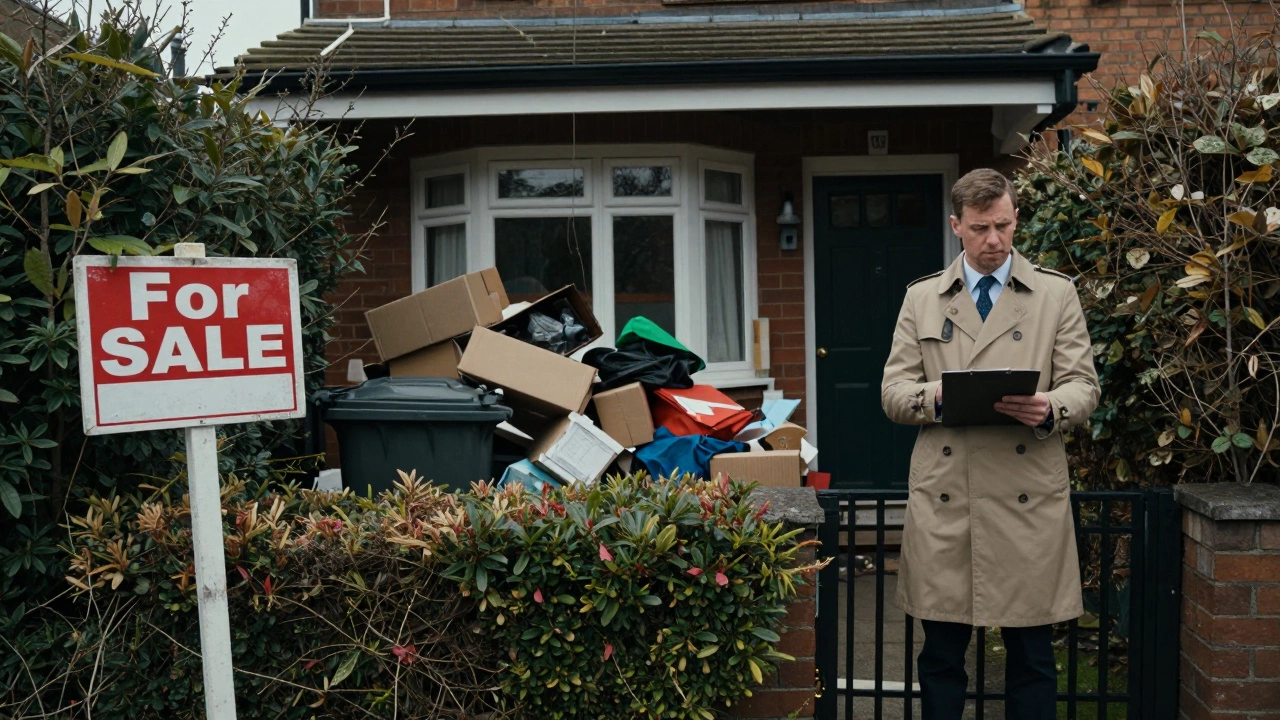
When you're considering equity release, the value of your home is the foundation of the whole process. Lenders use a professional appraisal to determine how much you can borrow against your property. But what happens if your house is cluttered, dirty, or in disarray? Does a messy house affect an appraisal? The short answer: it doesn't directly change the appraised value, but it can indirectly hurt your chances of getting the best possible offer.
What appraisers actually look for
Appraisers are trained professionals who assess a property's market value based on objective criteria. They don't care if your kitchen is covered in dishes or if the living room is buried under laundry. Their job is to evaluate structural integrity, square footage, number of bedrooms and bathrooms, age of the roof, HVAC condition, and recent upgrades. They compare your home to similar properties in the area that have sold recently-called comparables or "comps".
For equity release, the appraiser is working for the lender, not you. Their report feeds directly into the loan-to-value calculation. If your home is worth £300,000 and the lender offers 40% equity release, you’d get £120,000. That number hinges on the appraised value, not how tidy your garage is.
Why a messy house still matters
Even though appraisers focus on facts, not feelings, the condition of your home can still influence their assessment. A cluttered or poorly maintained house can make it harder for them to accurately measure rooms, spot damage, or judge the quality of finishes.
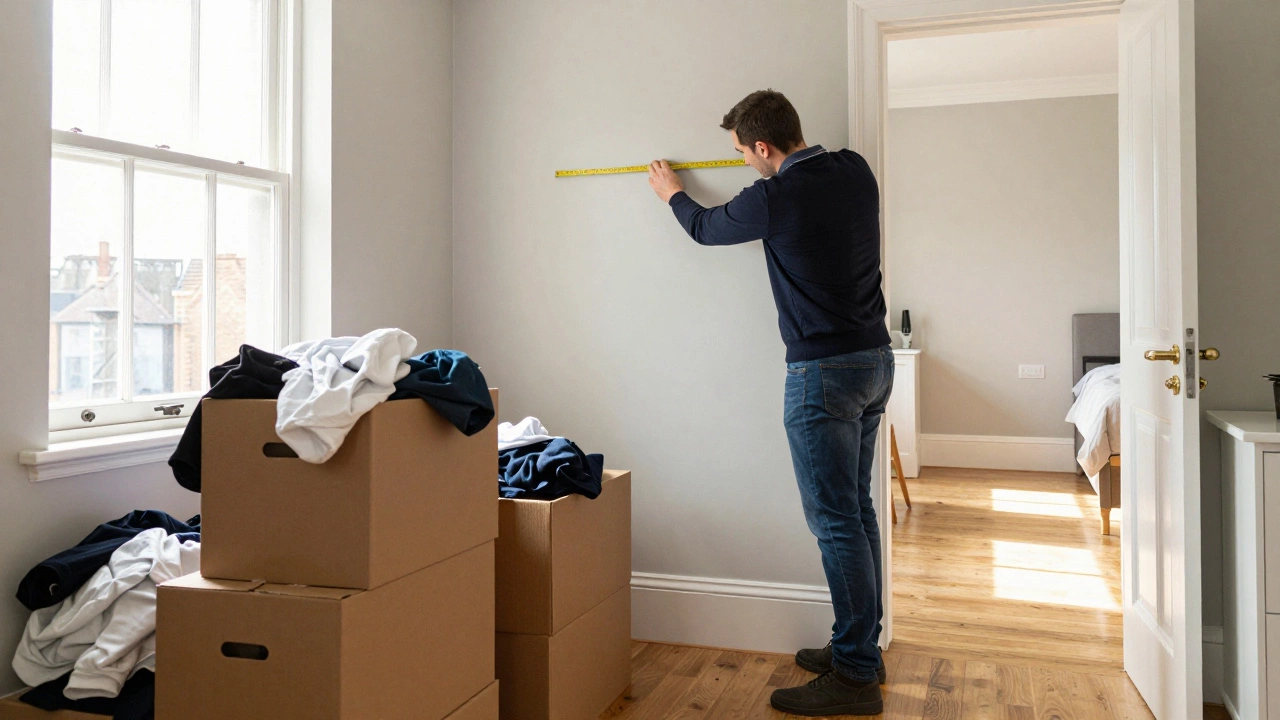
Imagine an appraiser trying to measure a bedroom that’s half-full of stacked boxes. They might guess the size, but if the same room in a clean, neighboring house is clearly 12x14 feet, their estimate for yours could come in lower. Same goes for a bathroom covered in towels and toiletries-they might miss a leak under the sink or assume the tiles are in worse shape than they are.
Appraisers also look for signs of neglect. Water stains on ceilings, peeling paint, broken fixtures, or overgrown landscaping don’t just look bad-they signal potential hidden problems. These aren’t cosmetic issues. They’re red flags that could lead to a lower valuation because they suggest deferred maintenance, which increases repair risk for the lender.
What the data says
A 2023 study by the UK Property Market Institute reviewed over 1,200 equity release appraisals. Homes that were decluttered and cleaned before the appraisal received an average 5.7% higher valuation than similar homes left in disarray. That’s not because the appraiser was biased-it’s because the cleaner homes made it easier to identify positive features and rule out damage.
For example, one homeowner in Bristol had their home appraised at £265,000 while it was packed with old furniture. After clearing out the clutter and fixing a leaky gutter, they had a second appraisal done. The value jumped to £281,000. The physical structure hadn’t changed. But the appraiser could now see the hardwood floors, the updated kitchen, and the solid roof-all of which were previously hidden.
What you should do before the appraisal
You don’t need to stage your home like a luxury magazine spread. But you do need to remove barriers that prevent the appraiser from seeing your home’s true potential.
- Clear countertops, floors, and walkways. Move boxes, clothes, and excess furniture out of the way.
- Fix obvious issues: leaky faucets, cracked tiles, broken door handles.
- Wipe down surfaces, vacuum carpets, and clean windows. Dust doesn’t affect value, but grime can mask wear.
- Take out trash and recycling. A smelly bin or overflowing bin bag creates a negative impression.
- Trim hedges, rake leaves, and sweep the porch. First impressions matter-even for appraisers.
These steps take a weekend. They cost little or nothing. But they can make the difference between a £250,000 valuation and a £270,000 one-especially if you’re planning to release £50,000 or more.
What won’t help
Some people think painting every wall white or buying new furniture will boost their appraisal. It won’t. Appraisers don’t value decor. They value structure, function, and location.
Don’t waste money on:
- Professional staging services
- New appliances unless they’re broken
- Landscaping beyond basic upkeep
- Deep cleaning services unless the home is genuinely unhygienic
Focus on what matters: accessibility and visibility. If the appraiser can walk through every room, open every cabinet, and see the condition of the roof from the ground, they’ll have everything they need to give you a fair value.

Equity release lenders don’t care about your lifestyle
One common myth is that lenders judge your personal habits. They don’t. They don’t care if you’re a hoarder, a minimalist, or someone who just had a baby. Their only concern is whether your home can be sold quickly and at a stable price if they ever need to recover their loan.
That’s why condition matters more than cleanliness. A home with structural damage, mold, or outdated wiring will be valued lower-even if it’s spotless. A home with worn carpet but solid foundations can still get a strong appraisal.
The goal isn’t to make your house look perfect. It’s to make it easy for the appraiser to see what’s truly valuable.
What happens if the appraisal comes in low?
If your home appraises lower than expected, you have a few options:
- Request a second appraisal (some lenders allow this if you can show evidence of error)
- Improve the home’s condition and reapply in 3-6 months
- Accept a lower loan amount
- Consider a different equity release product, like a home reversion plan
Most lenders won’t let you appeal the appraisal unless you have clear proof of a mistake-like a wrong room count or missing upgrade. That’s why preparation matters.
Final thoughts
A messy house won’t automatically tank your equity release offer. But it can make it harder to prove your home’s full value. The difference between a good appraisal and a great one often comes down to simple steps: clear clutter, fix the obvious, and let the appraiser see what’s underneath.
If you’re planning equity release, treat the appraisal like a home inspection-not a home show. You’re not trying to impress. You’re trying to inform. And the more clearly your home’s value is visible, the more money you’ll be able to unlock.
Does clutter directly lower my home’s appraisal value for equity release?
No, clutter itself doesn’t reduce the official appraised value. Appraisers base their numbers on structural features, size, location, and market comparables. But clutter can hide damage, make accurate measurements difficult, and lead to underestimates-indirectly lowering the value.
Should I clean my house before an equity release appraisal?
Yes, but not for aesthetics. Clean and declutter to help the appraiser see the true condition of your home. Remove obstacles, fix visible damage, and ensure all rooms are accessible. This helps them accurately assess features that add value.
Can I get a second appraisal if I think the first one was too low?
Some lenders allow a second appraisal, especially if you can show clear errors-like incorrect square footage or missed upgrades. But you usually need to pay for it yourself. It’s better to prepare properly the first time.
Do lenders care if my home looks lived-in?
No. Lenders don’t judge your lifestyle. They only care if your home can be sold quickly and at market value if needed. A lived-in home with solid structure is better than a sterile, empty one with hidden damage.
What’s the biggest mistake people make before an equity release appraisal?
The biggest mistake is thinking they need to renovate. You don’t need new kitchens or bathrooms. You need to remove clutter, fix obvious wear, and let the appraiser see the property’s actual condition. Spending money on upgrades rarely pays off-focusing on accessibility does.