
Buy Crypto for Beginners: What You Need to Know Before You Start
When you buy crypto, you're purchasing digital assets that operate on decentralized networks, not stocks or traditional currencies. Also known as digital currency, it’s not backed by governments or banks—just code and community trust. That’s why so many beginners lose money before they even understand what they’re buying.
Most people jump into cryptocurrency because they see headlines about quick profits. But the real issue isn’t price swings—it’s that 8 out of 10 new buyers don’t know how wallets work, what private keys are, or why exchanges aren’t banks. If you don’t control your keys, you don’t own your crypto. And if you leave it on an exchange, you’re trusting someone else with your money. That’s risky.
Then there’s crypto scams. Fake apps, phishing links, and fake influencers promise returns that don’t exist. They prey on people who don’t know the difference between Bitcoin and a random token with no use case. The biggest red flag? If it sounds too good to be true, it is. Real crypto projects don’t need hype—they need utility.
You don’t need to buy $1,000 worth of Bitcoin to start. You can begin with $10. The goal isn’t to get rich overnight—it’s to learn how the system works. Look at your budget. Ask yourself: Can you afford to lose this money? If yes, then start small. Use a trusted exchange. Store your coins in a wallet you control. Learn what blockchain actually means—not just the buzzword.
Some of the posts below show you exactly how much to invest as a beginner, what to avoid, and why most people fail. Others break down real cases where people lost everything because they didn’t understand the basics. There’s no magic formula. But there are clear steps you can take to protect yourself and build real knowledge.
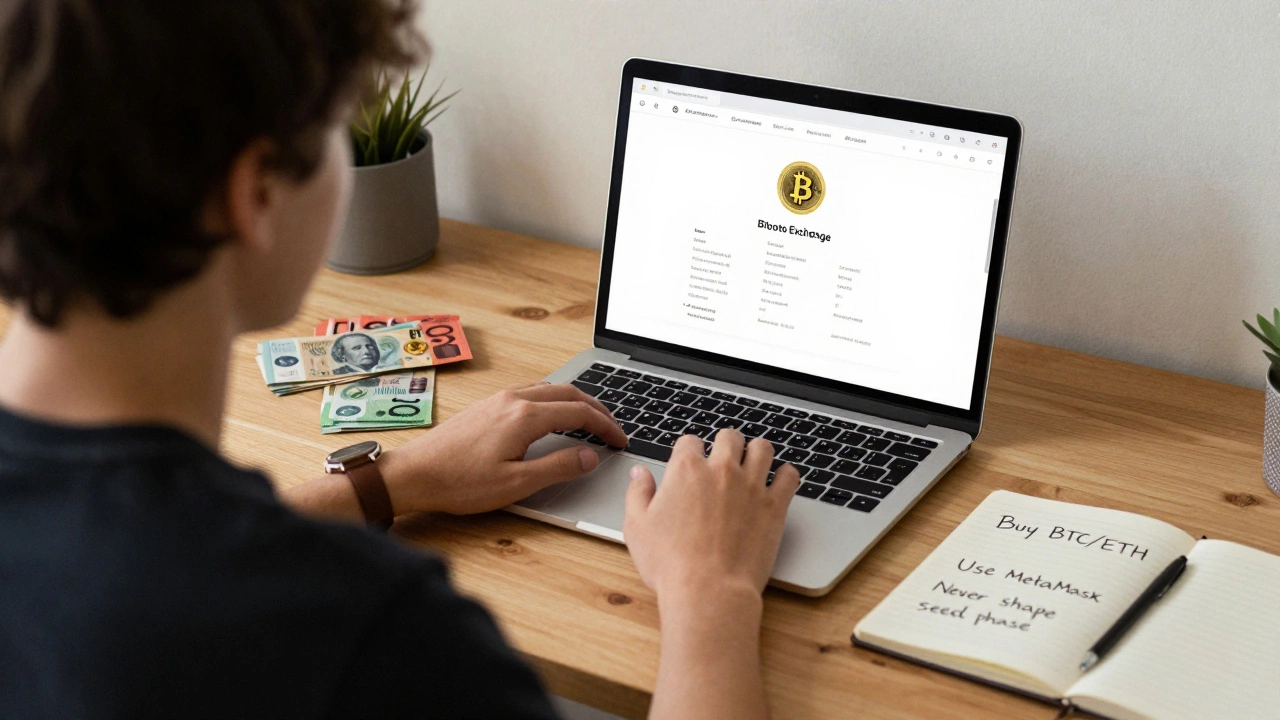
How to Invest in Cryptocurrency for Beginners: A Simple Step-by-Step Guide
Learn how to safely invest in cryptocurrency as a beginner. Start with Bitcoin and Ethereum, use trusted exchanges, secure your wallet, avoid scams, and build long-term habits without risking your savings.