
Homeowners Insurance Coverage Calculator
Most homeowners think their policy covers everything from a broken window to a lawsuit. In reality, standard policies are built on four distinct pillars that handle different types of risk. If you don't understand these four main coverages, you might be overpaying for protection you don't need or underinsured for the disasters that actually matter.
Homeowners insurance is a type of property and liability insurance that protects your home structure, belongings, and legal responsibility. It is not one single bucket of money; it is a combination of specific protections designed to work together. When you read your declaration page, you will see dollar amounts listed next to specific codes. Those numbers correspond to the four core sections we will break down below.
Dwelling Coverage: Protecting the Structure Itself
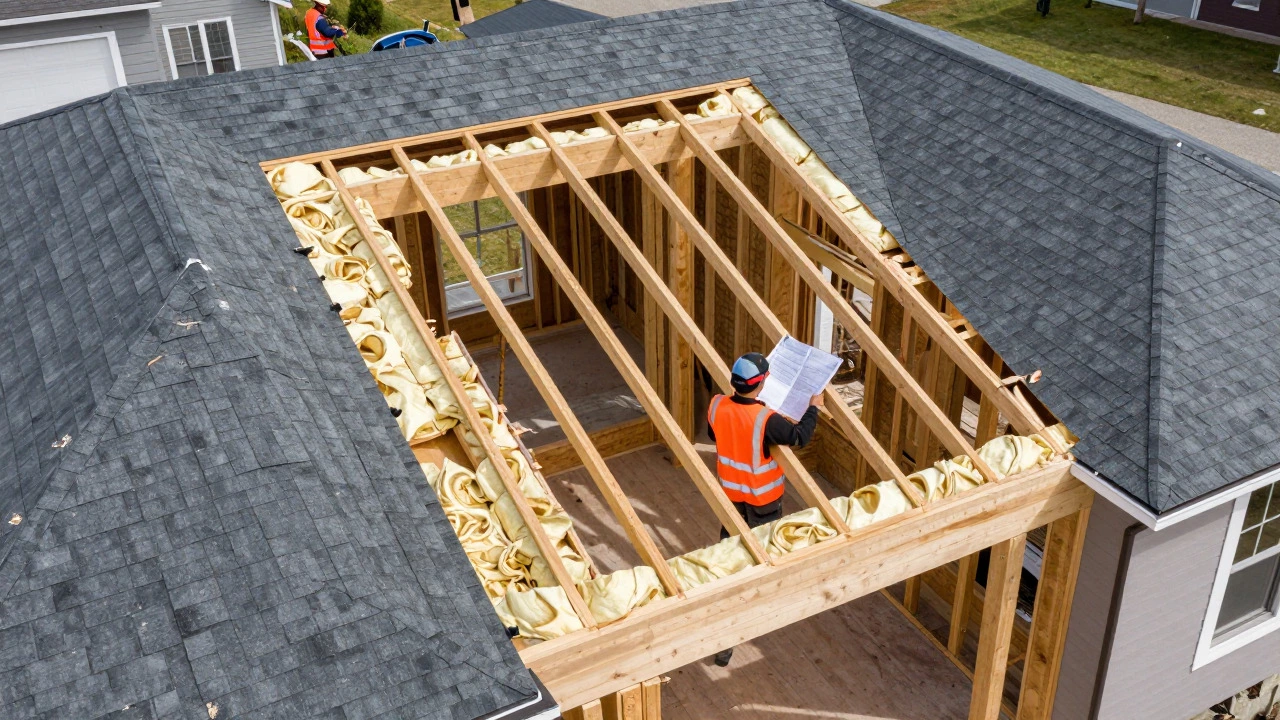
The first and usually largest part of your policy is Dwelling Coverage, also known as Coverage A. This pays for the cost to repair or rebuild your house if it is damaged by a covered peril, such as fire, wind, hail, or vandalism. It does not pay for what happens inside the house; it pays for the shell, the roof, the foundation, and attached structures like a garage.
A common mistake is assuming this amount equals your home's market value. It doesn't. Market value includes the land, which fire cannot burn. Dwelling coverage should match the replacement cost of your home. If labor and material costs rise, your coverage needs to rise too. Most insurers recommend reviewing this limit every three years to account for inflation in construction costs. If you have a custom-built home or high-end finishes, standard estimates might fall short, so an appraisal is often necessary to get the right number.
Personal Property: Your Belongings Inside
Once the walls are safe, the second pillar kicks in: Personal Property, or Coverage C. This covers your furniture, electronics, clothing, and other items inside the home. By default, most policies pay out based on Actual Cash Value (ACV), which means they subtract depreciation. If your five-year-old laptop gets stolen, you won't get the price of a new one; you'll get the current value of that used model.
To avoid this frustration, many people upgrade to "Replacement Cost" coverage for personal property. This ensures you can buy a new item without worrying about the age of the old one. However, keep in mind that this section typically only covers about 50% to 70% of your dwelling limit. If you own valuable jewelry, art, or collectibles, they often have sub-limits. For example, a standard policy might cap jewelry payouts at $1,500. Anything above that requires a scheduled endorsement, which is an add-on rider specifically for high-value items.
Liability Protection: When You Are Sued
The third main coverage is arguably the most critical for financial safety: Personal Liability, or Coverage E. This protects you if someone is injured on your property or if you accidentally damage someone else's property. If a guest slips on your icy walkway and breaks their leg, liability coverage pays for their medical bills and potential legal fees. If your tree falls on your neighbor's car, this is the section that helps pay for the repair.
Standard limits usually start at $100,000 or $300,000. While that sounds like a lot, serious injuries or lawsuits can easily exceed those amounts. Many financial advisors suggest carrying at least $300,000 in liability coverage, or even more if you have significant assets to protect. If you own multiple properties or have high net worth, you might look into Umbrella Insurance, which sits on top of your homeowners policy to provide extra liability protection once the primary limit is exhausted.

Loss of Use: Living Elsewhere During Repairs
The fourth and often overlooked coverage is Loss of Use, also called Additional Living Expenses (ALE) or Coverage D. If a fire forces you to leave your home, who pays for your hotel room, restaurant meals, and storage units? Loss of use coverage handles these temporary expenses. It is designed to put you back in the same standard of living you had before the disaster, but only for the time it takes to repair your home.
This coverage usually has a cap, often set at 20% to 30% of your dwelling limit. So, if your dwelling coverage is $300,000, your loss of use limit might be $60,000 to $90,000. That sounds substantial, but consider that a major renovation can take months. Hotel rates, especially in popular areas, can eat through that budget quickly. It is wise to check how long your insurer allows you to stay in temporary housing and whether they require receipts for every expense. Keeping detailed records of all extra costs incurred during displacement is essential to maximize this benefit.
How These Four Coverages Work Together
These four sections do not operate in isolation. They form a complete safety net. To visualize how they interact, consider a scenario where a storm causes a roof leak that damages your ceiling and destroys your TV.
| Coverage Type | What It Pays For | Typical Limit Basis |
|---|---|---|
| Dwelling (A) | Roof repair and ceiling drywall | Full replacement cost of structure |
| Personal Property (C) | New TV (if Replacement Cost elected) | Percentage of Dwelling limit |
| Liability (E) | N/A (No injury or third-party damage) | Fixed dollar amount ($100k-$300k) |
| Loss of Use (D) | Hotel stay if ceiling collapse makes home uninhabitable | Percentage of Dwelling limit |
Notice that Liability was not triggered because no one was hurt and no neighbor's property was damaged. However, if the falling debris had hit a parked car, Liability would have stepped in. Understanding these boundaries prevents confusion when filing a claim. You are not asking for one lump sum; you are claiming against specific buckets based on the type of loss.

Common Pitfalls and How to Avoid Them
Even with clear definitions, homeowners often trip up on exclusions and deductibles. The deductible is the amount you pay out of pocket before the insurance kicks in. For example, if you have a $1,000 deductible and file a $5,000 claim, the insurer pays $4,000. Higher deductibles lower your monthly premium, but they increase your risk if a small incident occurs.
Another pitfall is failing to update your inventory. If you buy new furniture or electronics, your personal property limit might no longer be sufficient. Similarly, if you renovate your kitchen, your dwelling coverage needs to reflect the added value of those upgrades. Insurers may reduce your payout if they determine you were underinsured at the time of the loss. This is known as the average clause, and it can significantly impact your final settlement.
Finally, watch out for exclusions. Standard policies typically exclude flood damage and earthquake damage. You need separate policies for those events. Also, maintenance issues, like a leaking pipe caused by rust or neglect, are often excluded because they are considered preventable. Regular home inspections help prove that you maintained the property, which supports your claim in case of ambiguity.
Frequently Asked Questions
Is dwelling coverage the same as my home's market value?
No. Dwelling coverage should equal the cost to rebuild your home from scratch, excluding the land value. Construction costs fluctuate, so market value is not the correct benchmark for this coverage.
Does personal property coverage include items outside the home?
Yes, but usually with a reduced limit. Most policies cover personal property away from home, such as luggage or electronics while traveling, but often cap this off-premises coverage at 10% of your total personal property limit.
How much liability coverage do I really need?
It depends on your assets. If you have significant savings or investments, aim for higher liability limits like $500,000 or more. This protects your wealth from being tapped in a lawsuit. An umbrella policy can extend this protection further.
What counts as a covered peril for loss of use?
Any event that causes damage to your dwelling under a covered peril qualifies. If a fire, windstorm, or burst pipe makes your home unlivable, loss of use coverage activates to pay for temporary housing and extra food costs.
Do I need separate insurance for floods and earthquakes?
Yes. Standard homeowners policies typically exclude flood and earthquake damage. If you live in a high-risk area for either event, you should purchase specific riders or standalone policies to ensure full protection.