
Upstart Loan Cost & Risk Calculator
Enter your loan details to see how the origination fee (0-8%) affects the cash you receive and the true cost of borrowing compared to a no-fee alternative.
You borrow:
$10,000.00
Minus Origination Fee:
-$600.00
Cash Deposited to Bank:
$9,400.00
This is higher than the advertised rate because you are paying interest on money you didn't fully receive.
Key Risks Highlighted
- Hidden Fees: The origination fee reduces your actual purchasing power immediately. A $10k loan with 8% fee only gives you $9,200.
- Credit Impact: Accepting the loan triggers a hard inquiry. Ensure you won't miss payments, as this disproportionately affects thin credit files.
- Behavioral Trap: After consolidating debt, close or freeze old credit cards to avoid re-accumulating high-interest revolving debt.
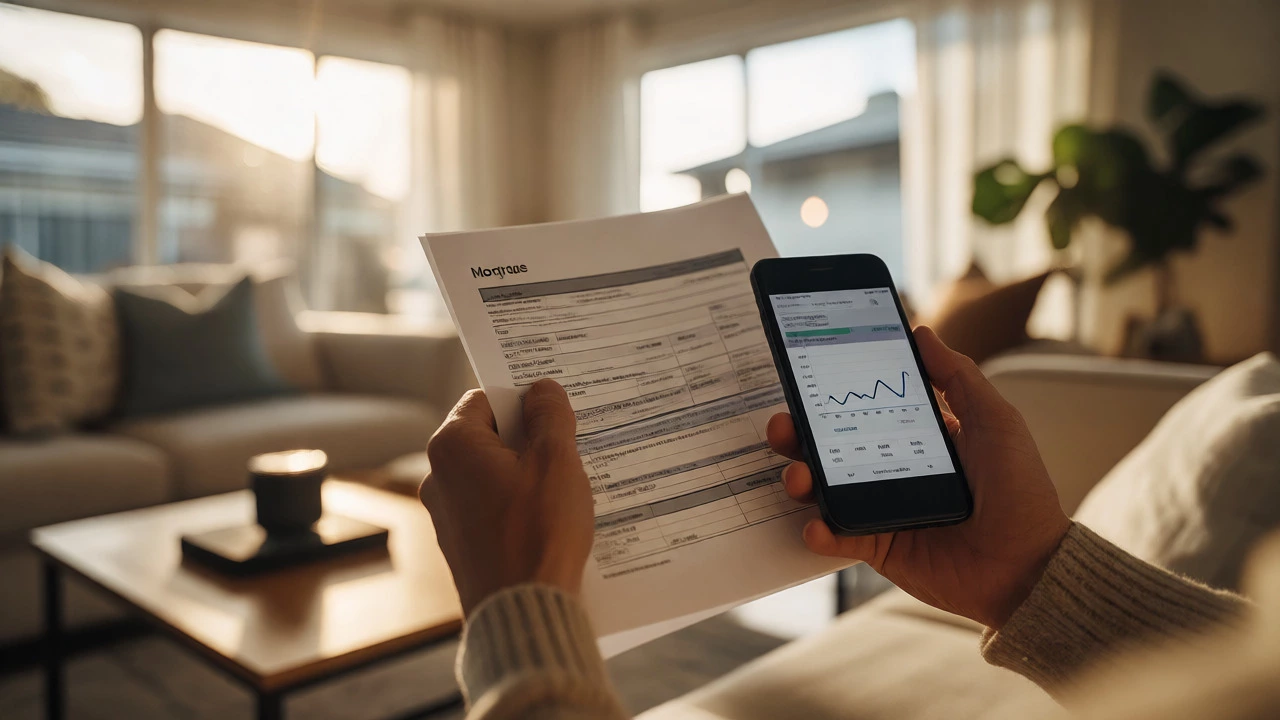
You’re staring at a pre-approval offer from Upstart that looks too good to be true. The interest rate is lower than what your bank offered, and the approval process took less time than it takes to make coffee. But before you click "Accept," you need to ask the hard question: what are the actual risks of using Upstart? It’s not just about getting money fast; it’s about whether this specific type of AI-driven lending could hurt your financial standing in ways traditional banks don’t.
Upstart isn't a bank. It’s an AI lending platform that connects borrowers with investors and banks. This distinction matters because their risk model relies heavily on non-traditional data points like education and job history, not just your FICO score. While this helps many people get approved who might otherwise be rejected, it introduces unique pitfalls regarding fees, credit inquiries, and long-term repayment structures that can catch you off guard if you aren’t prepared.
The Hidden Cost of Origination Fees
Here is the first major gotcha: origination fees. Most traditional banks charge little to no upfront fee for personal loans. Upstart, however, charges an origination fee ranging from 0% to 8% of the loan amount. This fee is deducted from the loan proceeds before they hit your bank account.
Let’s look at a concrete example. If you borrow $10,000 with a 6% origination fee, you only receive $9,400. But you still owe $10,000 plus interest. That means your effective cost of borrowing is higher than the advertised APR suggests. Many borrowers miss this detail when comparing rates against competitors who offer "no-fee" loans. Always calculate the total payback amount, not just the monthly payment, to see the real cost.
- Fee Range: 0% to 8% depending on creditworthiness.
- Deduction Method: Taken out of the principal before disbursement.
- Impact: Increases the effective APR significantly for smaller loans.
Credit Score Impact and Hard Inquiries
When you check your rate on Upstart, does it hurt your credit? Initially, no. Checking your eligibility usually triggers a soft pull, which doesn’t affect your score. However, once you accept the loan and sign the agreement, Upstart performs a hard inquiry. This typically drops your credit score by a few points temporarily.
But the bigger risk isn’t the initial dip-it’s the potential for missed payments. Because Upstart loans are often used for debt consolidation, borrowers sometimes feel relieved after paying off high-interest credit cards. They then resume spending on those now-empty credit cards. If you miss a payment on the Upstart loan, it gets reported to all three major credit bureaus (Equifax, Experian, TransUnion). Since Upstart specializes in borrowers with thinner files or average credit, one late payment can disproportionately damage a fragile credit profile compared to someone with a perfect history.
The AI Approval Paradox
Upstart uses machine learning algorithms to evaluate applicants. Unlike traditional lenders who stick rigidly to FICO cutoffs, Upstart looks at variables like college major, GPA, and job tenure. This is great for access, but it creates a transparency issue. If you are denied, you might not get a clear reason why. Traditional lenders often provide specific reasons under adverse action notices. With AI models, the decision logic can be opaque.
This opacity poses a strategic risk. If you apply for multiple loans trying to find the best deal, each application might result in a denial based on factors you can’t easily fix. Repeated denials without understanding the cause can lead to unnecessary hard inquiries, stacking up small hits to your credit score over time. You need to be selective. Don’t spray-and-pray applications across multiple AI platforms unless you have a strong baseline credit score.

Prepayment Penalties and Flexibility Issues
A common misconception is that all online lenders allow penalty-free early repayment. While Upstart generally allows you to pay off your loan early without a prepayment penalty, the structure of the loan itself can be rigid. For instance, if you take out a 5-year loan to consolidate debt, you are locked into that term. If your financial situation improves drastically in year two, refinancing might involve new origination fees elsewhere.
Furthermore, some users report difficulty in modifying loan terms mid-stream. If you experience a sudden income drop, negotiating a forbearance or modified payment plan with an AI-driven platform can be more challenging than calling a local branch manager. Customer service interactions are often digital-first, which can slow down resolution times during financial emergencies.
| Feature | Upstart (AI Lender) | Traditional Bank |
|---|---|---|
| Approval Criteria | Education, Job History, Credit Score | Primarily Credit Score & Income |
| Origination Fee | 0% - 8% | Usually 0% - 1% |
| Speed | Funding within 1-3 days | 1-2 weeks |
| Transparency | Algorithmic (Less transparent) | Human Underwriter (More transparent) |
| Best For | Debt Consolidation, Thin Files | Large Amounts, Long Terms |
Debt Consolidation Traps
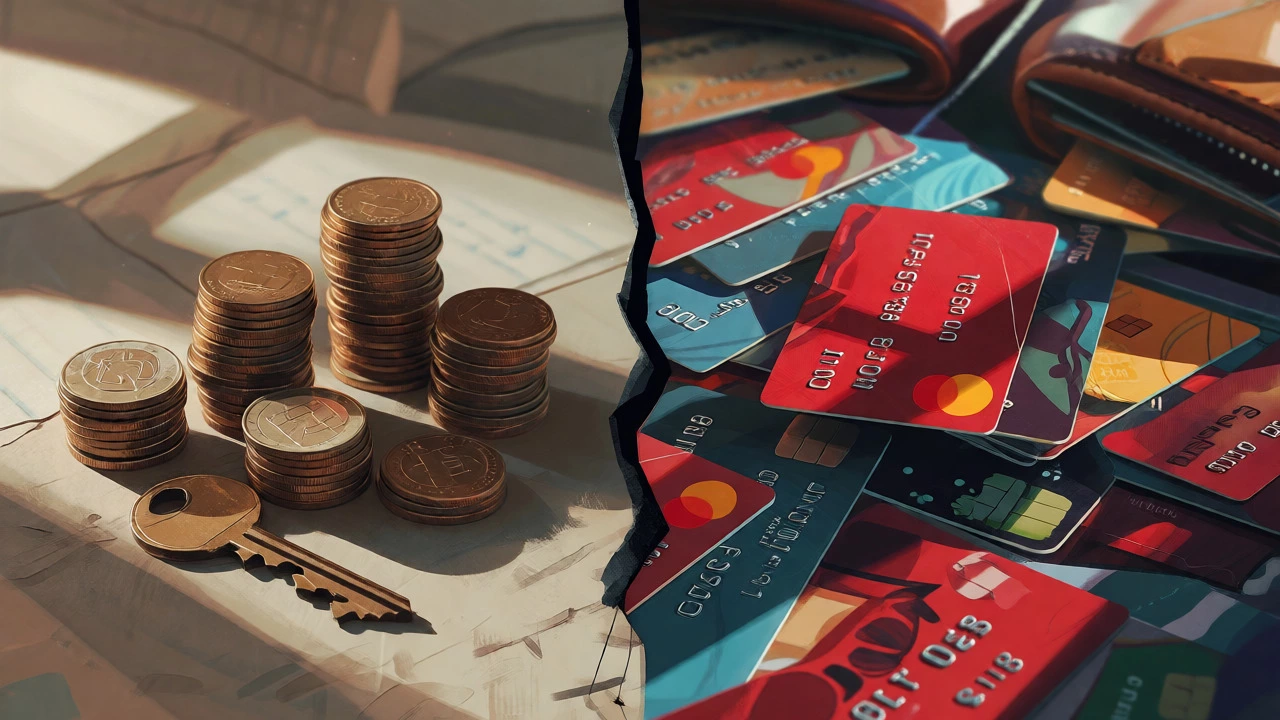
Most people use Upstart to consolidate credit card debt. The risk here is behavioral, not mathematical. You swap high-interest revolving debt for fixed-installment debt. This lowers your monthly minimum payment obligation. The trap? You still have open credit cards with zero balances. Without strict budgeting discipline, many borrowers reload these cards, effectively doubling their debt load. Now you have a personal loan payment AND new credit card debt.
To avoid this, close the accounts or freeze them physically. Do not rely on willpower alone. The psychological relief of seeing a lower monthly bill often leads to lifestyle inflation, negating the savings from the lower interest rate.
Data Privacy Concerns
Since Upstart relies on alternative data, they collect extensive information beyond standard credit reports. This includes educational records and employment verification details. While they claim robust security measures compliant with GLBA (Gramm-Leach-Bliley Act), sharing this granular level of personal data increases exposure in case of a breach. Ensure you understand exactly what data is shared with third-party investors who fund your loan. Your anonymized profile becomes part of a dataset that influences future AI models.
How to Mitigate These Risks
You don’t have to avoid Upstart entirely. Just go in with eyes open. Here is a checklist to protect yourself:
- Calculate the True APR: Use an online calculator that includes origination fees to compare offers accurately.
- Check Prequalification First: Always use the soft-pull prequalification tool before committing.
- Automate Payments: Set up autopay immediately to avoid accidental late fees and credit reporting errors.
- Budget for the Full Term: Ensure you can afford the fixed payment for the entire duration, even if your income fluctuates.
- Close Credit Cards: After consolidating, remove temptation by closing unused credit lines.
Using Upstart can be a smart move for building credit or accessing capital quickly. But it requires active management. The algorithm gives you access, but it doesn’t manage your behavior. That part is still up to you.
Does Upstart perform a hard credit check?
No, checking your rate initially uses a soft inquiry, which does not affect your credit score. A hard inquiry occurs only after you accept the loan offer and sign the final agreement.
What is the maximum origination fee for Upstart?
The maximum origination fee is 8% of the loan amount. This fee is deducted from the loan proceeds before they are deposited into your bank account, so you receive less cash than the face value of the loan.
Can I pay off my Upstart loan early?
Yes, Upstart allows prepayment without penalties. You can pay off the loan balance at any time without extra fees, which can save you money on interest over the life of the loan.
Why was I denied by Upstart despite having good credit?
Upstart's AI evaluates factors beyond FICO scores, such as job stability, education history, and debt-to-income ratio. A short job tenure or a high DTI ratio might trigger a denial even with a strong credit score.
Is Upstart safe to use?
Yes, Upstart is a legitimate fintech company partnered with FDIC-insured banks. Their platform uses encryption and complies with federal data privacy laws, though you should always review their privacy policy regarding data sharing.