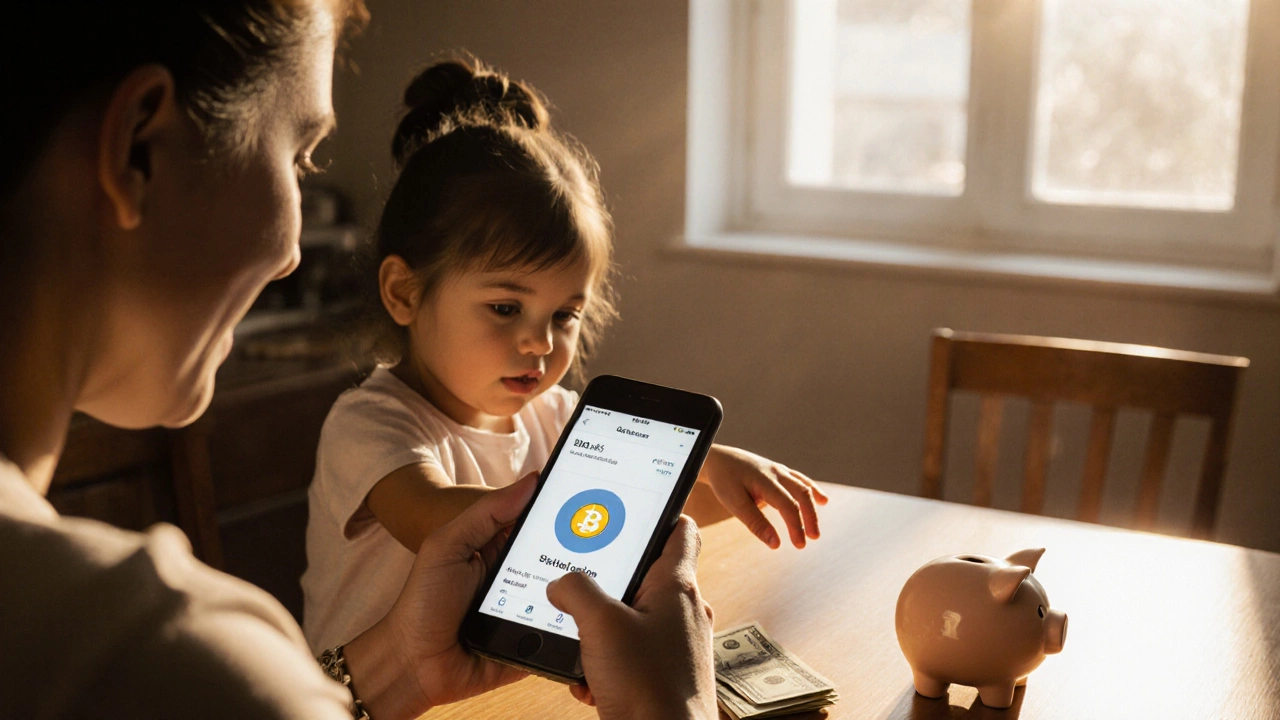

Crypto Readiness & Strategy Planner
Step 1: Assess Your Profile
Answer these questions to determine your investment profile.
Buy established assets and hold for years.
Try to profit from short-term price fluctuations.
Quick Facts
- Risk Level: High Volatility
- Best For: Long-term growth
- Min Investment: $10-$20
- Taxable: Yes (Capital Gains)
Your Personalized Crypto Strategy
Risk Assessment
Based on your answers, entering the crypto market right now may be too risky. Focus on building your emergency fund and paying off high-interest debt first.
Your financial foundation looks solid. Proceed with caution and stick to the recommended allocation below.
Recommended Allocation
Based on standard advice: Crypto should represent 5-10% of total net worth.
Strategy Details:
Projected Passive Income (Staking)
If you stake your Ethereum portion at ~4% annual yield:
*Yields vary based on network participation and market conditions.Estimated Annual Return
Let’s cut through the noise. You’ve seen the headlines about people turning a few hundred dollars into life-changing sums. You’ve also seen the stories of portfolios wiped out overnight. The question isn’t whether crypto *can* make you money-it absolutely can. The real question is: can *you* realistically make money with it in 2026 without losing your shirt?
The short answer is yes, but not the way most influencers want you to believe. Making consistent money in cryptocurrency is a digital asset system using cryptography for security and decentralized ledger technology requires treating it like a serious investment vehicle, not a casino. It demands patience, research, and a stomach for volatility that far exceeds traditional stocks.
The Two Paths to Profit: Investing vs. Trading
To understand how money is made, we first need to separate two very different activities that often get lumped together: long-term investing and active trading. These require completely different skills, time commitments, and risk tolerances.
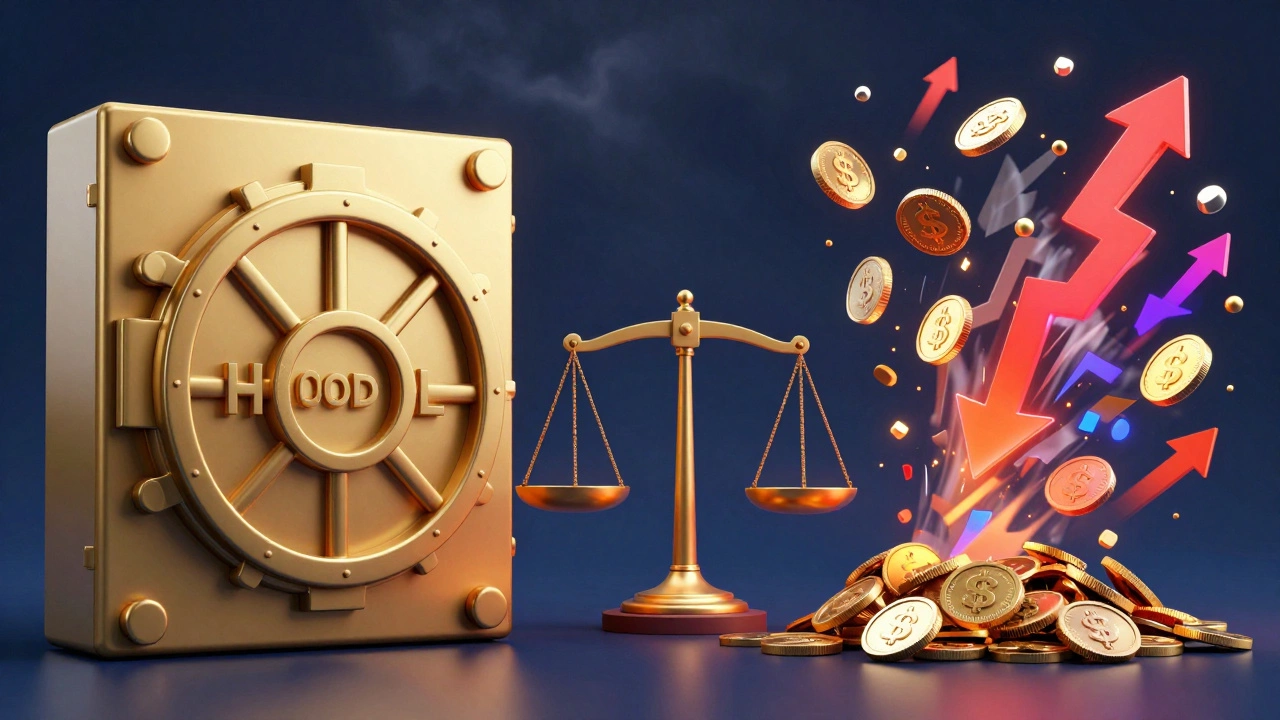
Long-term investing (HODLing) is the strategy most ordinary people should consider. It involves buying established assets like Bitcoin is the first and largest cryptocurrency by market capitalization, often referred to as digital gold or Ethereum is a blockchain platform that enables smart contracts and decentralized applications and holding them for years. The logic here is simple: if you believe blockchain technology will become more integrated into the global financial system over the next decade, these foundational assets should appreciate in value. This approach minimizes stress and avoids the high fees associated with frequent buying and selling.
Active trading, on the other hand, is a job. Day traders and swing traders try to profit from short-term price fluctuations. While some individuals succeed, the vast majority lose money. Why? Because you are competing against institutional algorithms and professional funds with better data and faster execution speeds. Unless you are willing to treat this as a full-time profession with continuous education, trading is statistically likely to result in losses.
Where Does the Money Actually Come From?
If you decide to enter the space, it helps to understand the mechanisms behind potential profits. There are three primary ways people generate returns in the crypto ecosystem.
- Capital Appreciation: This is the classic buy-low, sell-high model. You purchase an asset when sentiment is low or during a market correction, and sell when demand drives the price up. For example, many investors bought Bitcoin after the 2022 bear market, realizing significant gains as adoption grew in subsequent years.
- Staking and Yield Farming: Many modern cryptocurrencies operate on a Proof-of-Stake consensus mechanism. This allows holders to "lock up" their coins to help secure the network. In return, they earn rewards, similar to interest on a savings account. Ethereum, for instance, offers staking yields that historically have ranged between 3% and 5% annually, though this varies based on network participation.
- Airdrops and Early Adoption: Occasionally, new projects distribute free tokens to early users to build community support. While this can lead to windfalls, it is unpredictable and often requires significant upfront work or risk-taking with unproven protocols.
The Harsh Reality of Risk
We cannot talk about making money without discussing what stands between you and your profits: risk. Crypto is one of the most volatile asset classes available. Prices can swing 10%, 20%, or even 50% in a single week. Here are the specific dangers you face.
| Risk Type | Description | Mitigation Strategy |
|---|---|---|
| Market Volatility | Sharp price drops due to speculation or macroeconomic factors. | Diversify portfolio; only invest what you can afford to lose. |
| Security Breaches | Hacks of exchanges or personal wallet theft. | Use hardware wallets for long-term storage; enable 2FA. |
| Regulatory Changes | Government bans or strict taxation rules impacting liquidity. | Stay informed on local laws; avoid illegal activities. |
| Project Failure | Altcoins becoming worthless due to poor development or scams. | Research team credibility; stick to top-tier assets initially. |
Consider the case of Terra Luna in 2022. Investors who held billions saw their value evaporate in days because the underlying algorithmic stablecoin collapsed. This wasn’t just bad luck; it was a fundamental failure of the project’s design. Without doing your own due diligence, you are essentially gambling on someone else’s competence.
Practical Steps to Start Safely
If you’re convinced you want to try, follow these steps to protect yourself while positioning for potential gains.
1. Start with Education, Not Money. Before spending a dime, read the whitepapers of major projects. Understand what problem they solve. If you can’t explain why a coin has value in plain English, don’t buy it. Resources like CoinDesk or The Block provide reliable news, whereas social media hype should be treated with extreme skepticism.
2. Choose Reputable Exchanges. Use well-established platforms like Coinbase, Kraken, or Binance (depending on your region’s regulations). These platforms offer better security features and liquidity. Avoid obscure exchanges promising guaranteed returns-they are almost always scams.
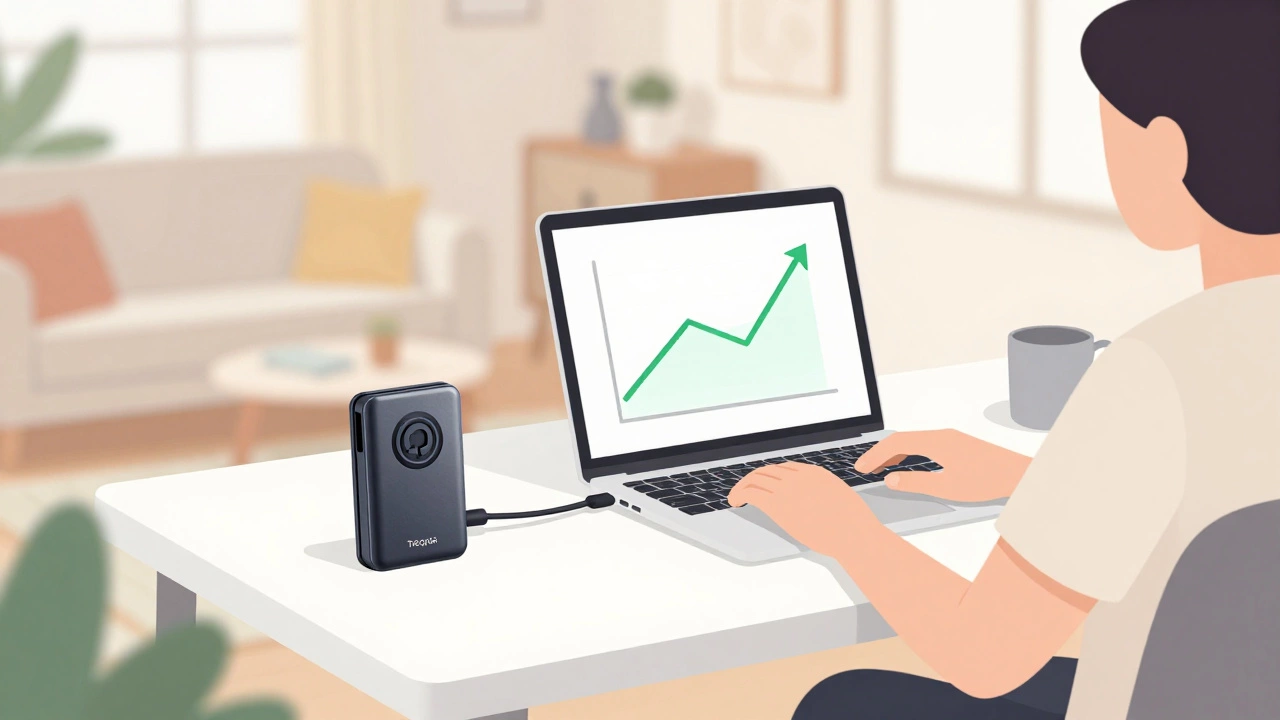
3. Secure Your Assets. Never leave large amounts of crypto on an exchange. Exchanges are targets for hackers. Purchase a hardware wallet, such as a Ledger or Trezor, to store your private keys offline. This gives you true ownership of your assets.
4. Diversify Wisely. Don’t put everything into one coin. A common beginner allocation might be 50-70% in Bitcoin and Ethereum, with smaller percentages allocated to other established altcoins. Keep speculative bets small so that if they go to zero, your overall portfolio remains intact.
5. Dollar-Cost Average (DCA). Instead of trying to time the market, invest a fixed amount at regular intervals (e.g., $100 every month). This smooths out the average purchase price and reduces the emotional stress of watching daily charts.
Tax Implications You Can’t Ignore
Making money is only half the battle; keeping it is the other. In most jurisdictions, including the US and UK, crypto transactions are taxable events. Selling crypto for fiat currency, swapping one crypto for another, or even earning income through staking can trigger capital gains tax or income tax liabilities.
Failing to report crypto income can lead to severe penalties. Tools like Koinly or CoinTracker can help automate the tracking of your transactions and calculate your tax obligations. Always consult with a qualified accountant who understands digital assets to ensure compliance.
Is Crypto Right for You?
Ask yourself these questions before proceeding:
- Can I afford to lose this money entirely?
- Do I have an emergency fund and paid-off high-interest debt?
- Am I emotionally prepared for a 50% drop in my portfolio value?
- Do I have the time to research and monitor my investments?
If you answered no to any of these, crypto might not be suitable for you right now. Traditional index funds or high-yield savings accounts may offer safer, albeit lower, returns. Crypto should be viewed as a high-risk component of a diversified portfolio, typically representing no more than 5-10% of your total net worth.
The landscape in 2026 is more mature than in previous years, with clearer regulations and institutional adoption. However, the core nature of the market-driven by speculation and technological innovation-remains unchanged. Success comes from discipline, not luck.
How much money do I need to start investing in crypto?
You can start with as little as $10 or $20 on most major exchanges. However, starting with a small amount allows you to learn the mechanics of buying, storing, and selling without risking significant capital. It’s better to start small and scale up as you gain confidence and knowledge.
What is the safest cryptocurrency to invest in?
While no investment is completely safe, Bitcoin is generally considered the least risky due to its large market cap, widespread adoption, and long track record. Ethereum is also relatively stable compared to smaller altcoins. Stablecoins like USDC or USDT are designed to maintain a $1 value but carry counterparty risks related to the issuing companies.
Can I make passive income with crypto?
Yes, through staking, lending, or yield farming. Staking involves locking up your coins to support a blockchain network and earning rewards. Lending platforms allow you to lend your crypto to borrowers for interest. However, these methods carry risks, including smart contract vulnerabilities and platform insolvency, so thorough research is essential.
How do I avoid crypto scams?
Be wary of promises of guaranteed high returns, pressure to act quickly, or requests for your private keys. Legitimate projects never ask for your seed phrase. Stick to reputable exchanges, verify contract addresses on official websites, and never send money to unknown individuals claiming to be support staff.
Should I hold crypto in a bank account?
No, traditional banks do not hold crypto directly. You must use a digital wallet. For maximum security, use a hardware wallet for long-term holdings. For active trading, keep funds on a reputable exchange, but transfer profits to cold storage regularly. Remember, "not your keys, not your coins."