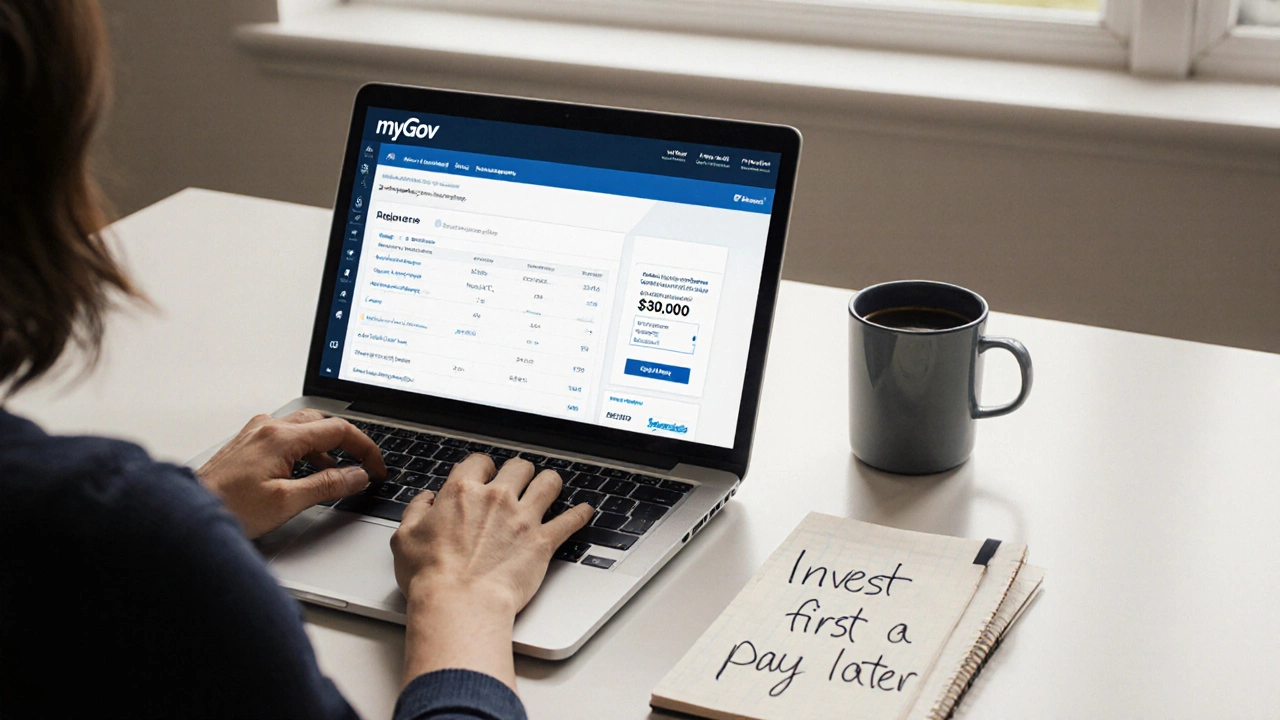

Debt Status & Repayment Simulator
Historical Context Timeline
Payments Paused
Resumed
Current Date
Repayment Simulator
Select your scenario to estimate obligations.
Estimated Monthly Obligation
You might have heard whispers online that you don't need to worry about paying your educational debts for another year. The short answer is no. As of today, in March 2026, the idea that payments were paused until 2024 belongs to history books. Whether you are dealing with American federal debts or Australian income-contingent schemes, the pause periods have officially ended.
This confusion usually stems from older news cycles where policy changes were debated heavily. Many borrowers spent years not making monthly contributions due to government-mandated relief. Now, everyone needs to know the actual rules governing their accounts. Let's look at what actually happened and where you stand right now.
The Origin of the Confusion
To understand why this rumor persists, we need to look back at the pandemic era. Starting in March 2020, many governments intervened to stop economic hardship. Student Loans are borrowed funds used to pay for higher education expenses. During those crisis months, interest stopped accruing, and principal payments were suspended. This period is known as the pandemic pause.
That suspension lasted for roughly three and a half years. When the clock struck October 2023, standard terms returned for most borrowers. However, there were legal battles that created temporary extensions into early 2024 for some specific groups. People remembered these delays and assumed they applied forever. That is the root of the "2024 deadline" myth.
If you missed updates during that transition window, you might be carrying over old information. Banks and servicers sent notices, but many people ignored them hoping for more relief. Waiting too long can hurt your credit score and lead to penalties.
What Changed When Payments Resumed?
When the pause ended, the system did not reset the clock entirely. Instead, accrued balances started compounding again. For those on standard plans, the grace periods were already counted down. You need to check your specific account status because different loan types had different end dates.
In the United States, federal borrowers saw payments restart first. Private lenders followed suit shortly after. In Australia, the HELP debt scheme operates differently. While there was no hard "deadline" for repayment in the traditional sense, the threshold for mandatory repayments via tax assessments remained active throughout the crisis.
- Interest rates began accumulating immediately after the suspension ended.
- Credit reporting resumed for defaulted accounts.
- Affordability options became available again through service centers.
- New forgiveness programs required re-application rather than automatic approval.

Understanding Your Current Obligation
By mid-2026, most legacy policies from the emergency era have been replaced by permanent legislation. You must verify if you are enrolled in an automated plan or if manual intervention is needed. Ignoring statements is not a viable strategy anymore.
Your repayment ability depends heavily on your income bracket relative to the cost of living. Most modern plans link monthly costs directly to your salary. This protects people who earn less money but ensures high earners contribute more.
| Repayment Type | Eligibility | Duration | |
|---|---|---|---|
| Standard Amortization | No income requirement | 10 Years Fixed | |
| Itemscope attribute removed for consistency in table body | Fixed Term | ||
| Income-Based Plan | Earn below median income | Up to 25 Years | |
| Graduated Plan | Starting low, growing | 10 Years Variable | |
The table above shows how flexibility varies. Standard plans get you debt-free faster but demand higher monthly cash flow. Income-based options stretch the timeline but lower immediate pressure.

Differences Between Regions
Living in Brisbane means you likely interact with the Higher Education Contribution Scheme. Unlike fixed-term loans here, these debts stay on your file until cleared or forgiven upon death. The trigger for repayment is your taxable income exceeding a certain threshold.
This differs significantly from fixed-interest loans found in other nations. In those systems, missing a payment damages your credit rating immediately. Here, the system adjusts automatically with tax returns. Despite this, staying aware of your total outstanding balance is smart financial hygiene.
How to Manage Outstanding Balances
If you find yourself behind on payments, the first step is contacting your servicer. They cannot simply ignore you; they have obligations to offer forbearance options. Temporary relief is possible even now if you face medical bills or job loss.
Refinancing might help lower the rate, though this removes access to government protections. Be cautious before switching private lenders. Public services often provide safety nets that private banks do not offer.
- Gather all recent billing statements.
- Check your credit report for errors.
- Contact the loan administrator directly.
- Apply for an affordable payment plan.
- Monitor for future policy announcements.
Consistency matters. Small payments beat zero payments every time when rebuilding stability.