Student Loan Default & Debt Growth Calculator
New Total Balance After Non-Payment
*This assumes unpaid interest is capitalized (added to principal), causing exponential growth.
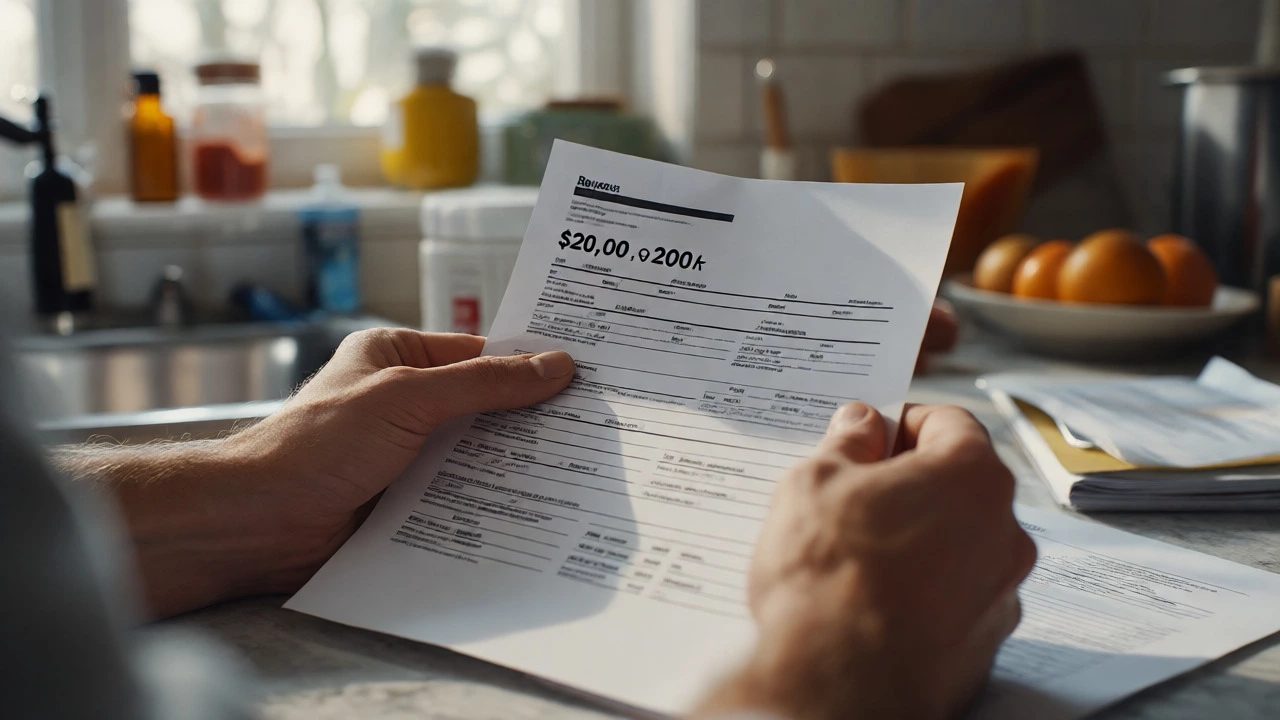
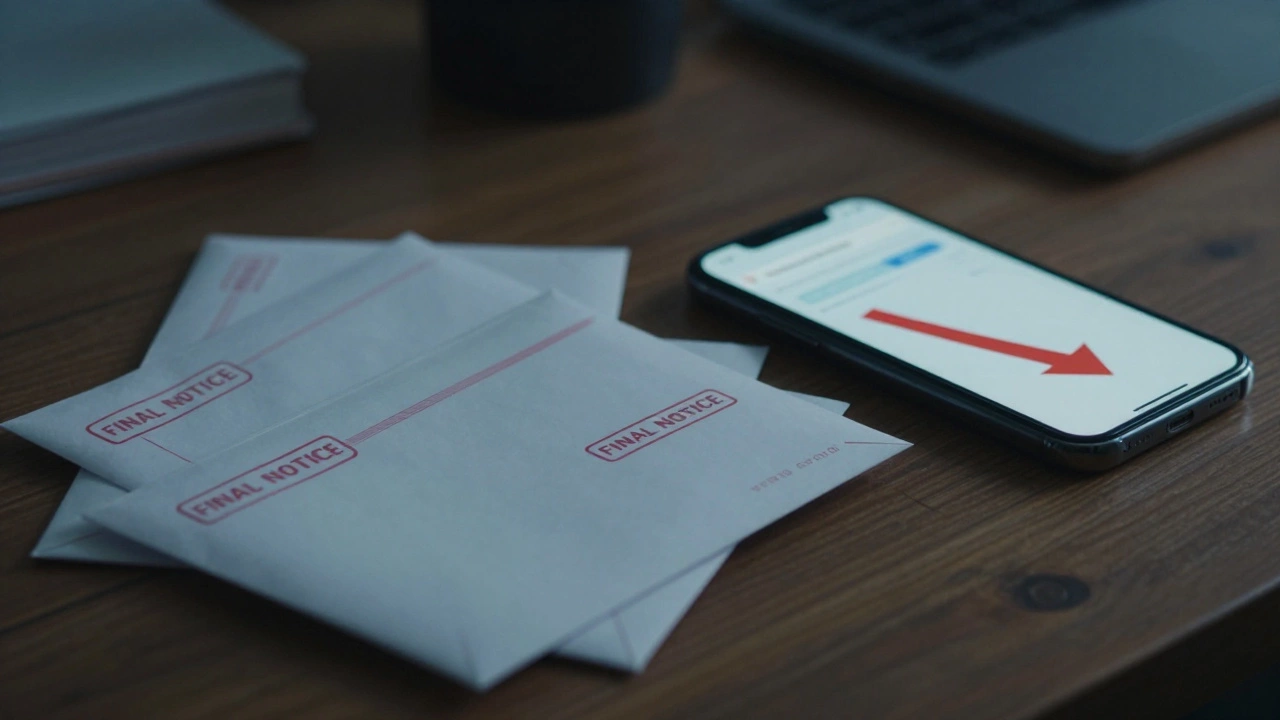
You get a letter. It says you missed a payment. Then another letter arrives. The balance grows. Interest piles up. You ignore it, hoping it will go away. It doesn’t. Ignoring your student loans is a high-stakes financial mistake that triggers a cascade of legal, financial, and personal consequences isn’t just about bad credit. It’s about losing control over your paycheck, your savings, and even your tax refund.
If you’re reading this because you’re behind on payments, take a breath. There are options. But first, you need to know exactly what happens when you stop paying. The clock is ticking, and the penalties escalate quickly.
The Immediate Impact: Late Fees and Credit Score Damage
When you miss a payment, the damage starts immediately. Most loan servicers charge a late fee-usually between $25 and $40 per missed payment. This might seem small, but it adds up fast. More importantly, your credit score takes a hit.
Your credit score is a three-digit number that lenders use to predict your risk as a borrower drops significantly after 30 days of non-payment. A single late payment can drop your score by 50-100 points. Miss two or three, and you could lose another 100+. This matters because your credit score affects everything from renting an apartment to getting a car loan.
- 30 days late: Late fee charged; minor credit impact.
- 60 days late: Higher late fees; significant credit score drop.
- 90 days late: Account marked as “delinquent”; major credit damage.
- 180+ days late: Loan enters default, triggering severe legal actions.
Private loans often have stricter terms than federal loans. Some private lenders report late payments after just 15 days. Always check your promissory note-the contract you signed when you borrowed the money-to know your specific deadlines.
Federal vs. Private Loans: Different Rules, Different Risks
Not all student loans are created equal. Federal loans and private loans operate under completely different rules. Understanding which type you have determines how much time you have before things get ugly.
| Feature | Federal Loans | Private Loans |
|---|---|---|
| Time to Default | 270 days (approx. 9 months) | Varies by lender (often 120-180 days) |
| Credit Reporting | Reported after 90 days delinquent | Often reported after 30-60 days |
| Lawsuits | Rare; government uses administrative remedies | Common; lenders sue to recover debts |
| Wage Garnishment | Yes, without court order (up to 15% of disposable pay) | Only with court judgment |
| Tax Refund Offset | Yes, automatic | No |
| Rehabilitation Options | Yes, easy rehabilitation process | Negotiation required; no standard program |
Federal loans offer more protections and clearer paths to recovery. Private loans move faster and hit harder. If you have both types, prioritize federal loans for rehabilitation while negotiating hard with private lenders.
The Nuclear Option: Wage Garnishment and Tax Refund Seizure
This is where most people panic. When your federal student loans enter default, the Department of Education doesn’t need a judge’s permission to take your money. They can garnish your wages directly from your employer.
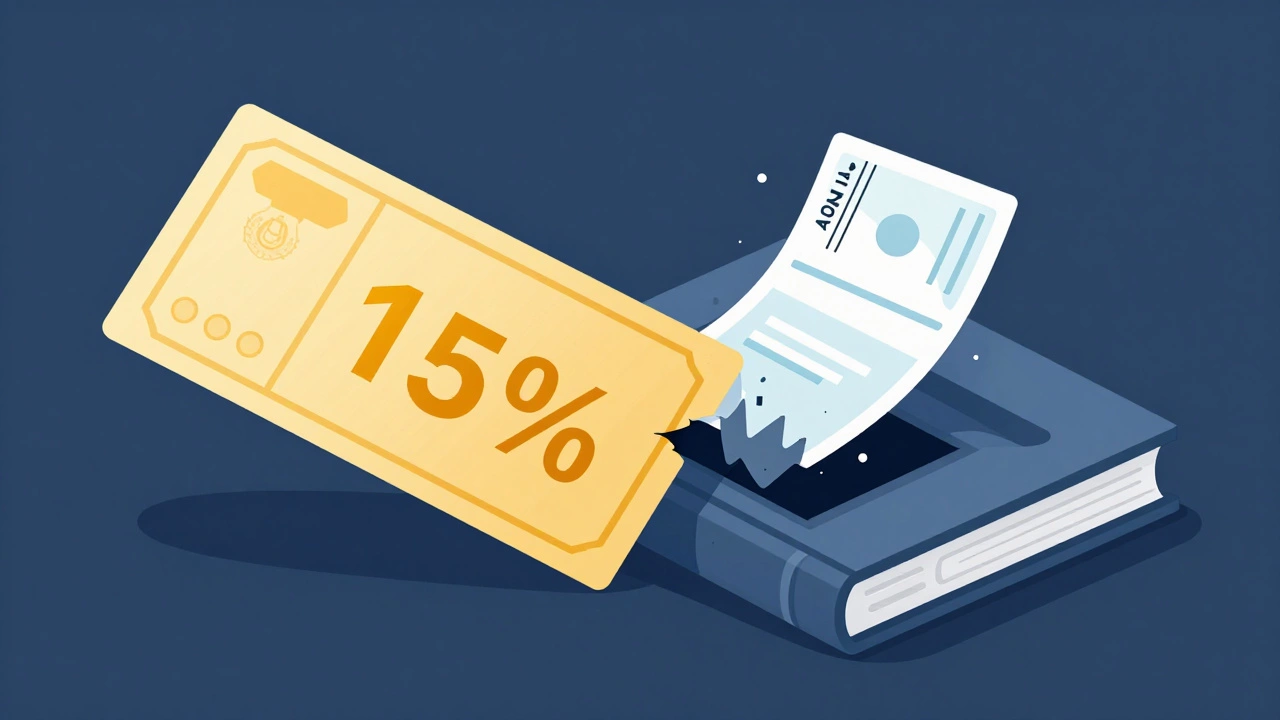
Under the Higher Education Act, they can withhold up to 15% of your disposable earnings. Disposable earnings means your paycheck after legally required deductions like taxes. For someone earning $50,000 a year, that’s roughly $400-$500 gone every month until the debt is paid or rehabilitated.
Even worse, they can seize your tax refund. The Treasury Offset Program automatically redirects your federal tax refund to pay off defaulted student loans. You file your taxes, expect a nice check, and instead get a notice saying your refund was applied to your debt. This happens every year to thousands of borrowers who forgot their loans were in default.
Private lenders can’t do this without suing you first. But if they win a judgment, they can also garnish wages-though state laws limit how much they can take. In some states, wage garnishment caps are as low as 25% of disposable income. In others, it’s higher. Check your local laws if you’re facing a private lender lawsuit.
Legal Action: Lawsuits, Judgments, and Asset Seizure
If you owe private loans, the lender will likely hire a collection agency first. After months of calls and letters, they’ll file a lawsuit. If you don’t respond, they get a default judgment against you.
A judgment gives them legal power to:
- Garnish your wages (with court approval).
- Place a lien on your home or other property.
- Seize funds from your bank accounts.
Bank account levies are particularly painful. Imagine going to buy groceries and finding your entire checking account frozen because a creditor seized it. This happens more often than you think. Once a judgment is entered, it stays on your credit report for seven years-even if you pay it off.
Federal loans rarely go to court. Instead, the government uses administrative processes to collect. But that doesn’t make it less aggressive. The Department of Education has vast resources and zero tolerance for ignored debts.
The Hidden Cost: Accrued Interest and Capitalization
While you’re ignoring payments, your debt isn’t standing still. Interest keeps accruing. On federal unsubsidized loans and all private loans, interest builds up daily. If you stop paying, that unpaid interest gets added to your principal balance-a process called capitalization.
Capitalization makes your debt grow exponentially. Let’s say you owe $30,000 at 6% interest. If you stop paying for one year, you owe $1,800 in interest. That $1,800 gets added to your principal. Now you owe $31,800. Next year, interest is calculated on $31,800-not $30,000. Over five years of non-payment, your debt could easily double.
This is why waiting never works. The longer you wait, the more you owe. And when you finally try to fix it, you’re digging out of a deeper hole.

How to Fix It: Rehabilitation, Consolidation, and Forgiveness
Good news: You’re not stuck forever. Even if you’re in default, there are ways to get back on track. Here’s what you can do:
1. Loan Rehabilitation
For federal loans, rehabilitation is the easiest path. You agree to make nine affordable monthly payments within 20 consecutive months. These payments must be at least 15% of your discretionary income. Once completed, your loan is removed from default status, and the negative mark disappears from your credit report.
2. Loan Consolidation
You can consolidate your defaulted loans into a new Direct Consolidation Loan. This requires either agreeing to repay under an income-driven plan or making three consecutive voluntary payments. Consolidation stops wage garnishment and restores access to repayment plans.
3. Income-Driven Repayment (IDR)
If your income is low, IDR plans cap your monthly payment at 10-20% of your discretionary income. After 20-25 years, any remaining balance is forgiven. This is ideal if you earn little relative to your debt.
4. Bankruptcy (Rarely Works)
Student loans are nearly impossible to discharge in bankruptcy. You must prove “undue hardship,” which courts define narrowly. Only a tiny fraction of cases succeed. Don’t count on this unless you have extreme medical issues or total disability.
5. Settlement Offers
Private lenders sometimes accept lump-sum settlements for 40-60% of the total owed. If you have cash saved, this might be worth exploring. Get any agreement in writing before paying.
Prevention Is Better Than Cure: Avoid Default Before It Starts
The best way to avoid these nightmares? Stay current. If you’re struggling, act early:
- Call your servicer: Ask for deferment or forbearance if you’re unemployed or sick.
- Switch to IDR: Lower your payments based on income.
- Set up autopay: Many servicers reduce interest rates by 0.25% for automatic payments.
- Budget realistically: Use the 50/30/20 rule-spend 50% on needs, 30% on wants, 20% on savings/debt.
Don’t wait until you’ve missed three payments. One call to your servicer can prevent months of stress.
Real-Life Example: Sarah’s Story
Sarah, a 28-year-old teacher in Brisbane, stopped paying her $45,000 federal loan after losing her job. She thought she’d catch up later. Two years passed. Her loan defaulted. Wage garnishment started. Her tax refund was seized. Her credit score dropped to 520.
She finally contacted her servicer, enrolled in IDR, and rehabilitated her loan. Payments went down from $450 to $120/month. Within two years, her credit score recovered to 700. She bought a house. All because she acted-late, but decisively.
Your story doesn’t have to end in disaster. Take control now.
Can I go to jail for not paying student loans?
No. Student loan debt is civil, not criminal. You cannot be arrested or imprisoned for failing to repay. However, ignoring court orders related to private loan judgments can lead to contempt charges-but this is rare and usually involves willful defiance of legal rulings.
Does student loan debt disappear after 7 years?
Not really. The debt itself doesn’t vanish. What does happen is that after 7 years, late payments may fall off your credit report. But the loan remains active, interest continues accruing, and collectors can still pursue you. Some states have statutes of limitations on lawsuits (e.g., 6 years in California), but federal loans have no such limit.
How long does it take for a student loan to go into default?
Federal loans typically enter default after 270 days (about 9 months) of non-payment. Private loans vary by lender but often default within 120-180 days. Always check your loan agreement for exact timelines.
Can I refinance my defaulted student loans?
Generally, no. Lenders won’t refinance loans in default. You must first rehabilitate or consolidate your federal loans, or negotiate a settlement with private lenders. Once the default is resolved, refinancing becomes possible.
Will my parents’ credit be affected if I don’t pay my student loans?
Only if they co-signed your private loan. Federal loans don’t require co-signers, so your parents’ credit is safe. But if they co-signed a private loan, their credit score suffers alongside yours when you default.
What should I do if I receive a wage garnishment notice?
Act immediately. Contact your loan servicer to discuss rehabilitation or consolidation. You can also request a hearing to dispute the garnishment amount or challenge its legality. Do not ignore the notice-it will result in lost income.
Is student loan forgiveness available for those in default?
Direct forgiveness programs like PSLF (Public Service Loan Forgiveness) require you to be in good standing. You must exit default first via rehabilitation or consolidation. Then, if you qualify, you can apply for forgiveness after 10-25 years of qualifying payments.
Can I pause payments during financial hardship?
Yes. Federal loans offer deferment (for unemployment, school enrollment, etc.) and forbearance (for general hardship). Private loans may offer temporary relief, but terms vary. Call your servicer ASAP to explore options before missing payments.