Crypto Portfolio Builder
Investment Setup
Why This Allocation?
This tool uses the investment strategy recommended in the article: 50% Bitcoin, 30% Ethereum, 15% altcoin (Solana/Polkadot), 5% other (Cardano).
Adjustments are made based on your risk tolerance. Low risk maintains the recommended allocation. Medium risk increases Ethereum allocation slightly. High risk shifts toward more volatile altcoins.
Your Portfolio Allocation
Bitcoin (Core)
Ethereum (Growth)
Altcoin (Solana/Polkadot)
Other (Cardano)
Total Investment
Enter your investment details and click "Build My Portfolio" to see your allocation.
There’s no magic bullet when it comes to crypto investing. If someone tells you Bitcoin is the only choice, or that Solana is going to 10x by next month, they’re either lying or wildly optimistic. The truth? The best crypto to invest in now depends on what you’re trying to achieve, how much risk you can handle, and whether you’re playing the long game or chasing quick moves.
Let’s cut through the noise. You don’t need to own 20 different coins. You need to understand what’s actually moving the market right now, and why.
Bitcoin: The Foundation, Not the Flash
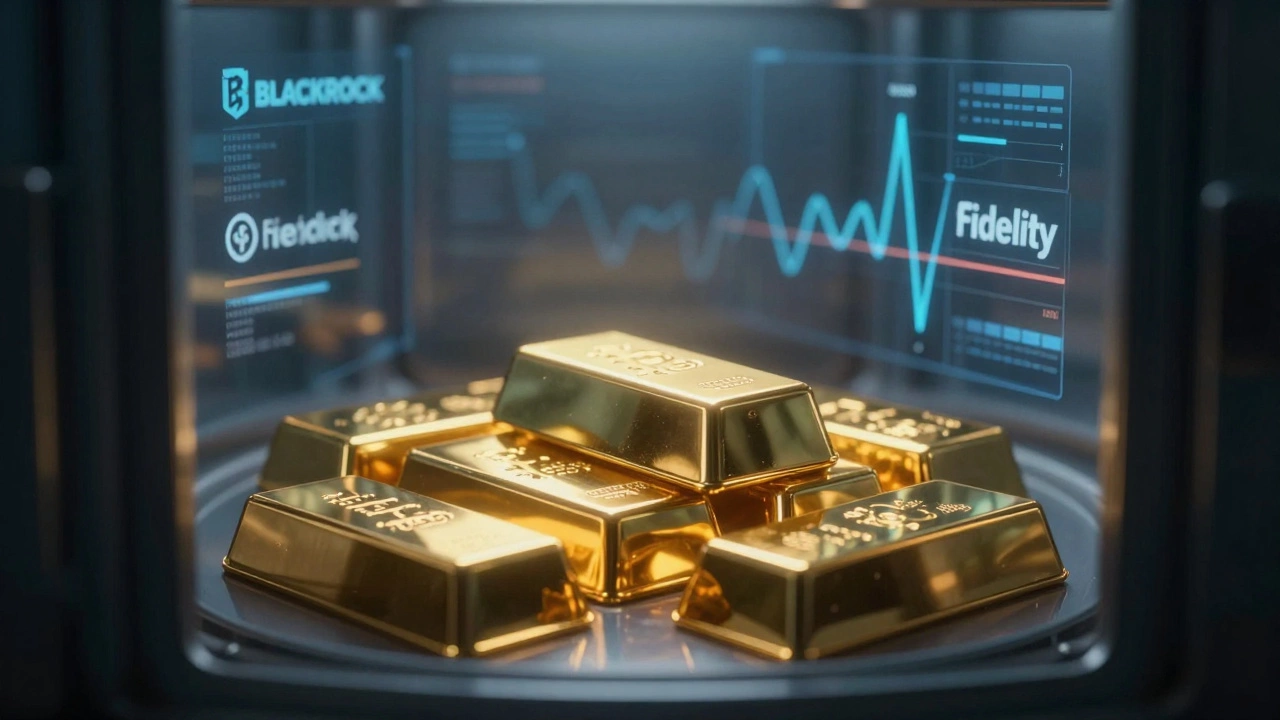
Bitcoin isn’t flashy. It doesn’t run smart contracts or power DeFi apps. But it’s still the bedrock of the entire crypto ecosystem. As of March 2026, Bitcoin accounts for just under 52% of the total crypto market cap. That’s not a fluke. It’s because institutional investors, hedge funds, and even sovereign wealth funds are buying it as a digital reserve asset. Countries like El Salvador and Brazil have added Bitcoin to their national reserves. BlackRock and Fidelity now offer Bitcoin ETFs in the U.S. and Australia.
Here’s the thing: Bitcoin doesn’t go up because of hype. It goes up because of scarcity. There will only ever be 21 million BTC. Right now, the halving cycle is in full effect - the reward for mining new blocks dropped to 3.125 BTC in 2024. That means supply growth is slowing. Demand? It’s climbing. Retail investors are still catching up, and institutions are just getting started.
If you want stability in a volatile market, Bitcoin is your anchor. It’s not going to 10x next month, but over five years? It’s been the most reliable performer in crypto history.
Ethereum: The Engine Behind Everything
Bitcoin is the store of value. Ethereum is the engine. It’s not just a coin - it’s a platform. Over 70% of all DeFi protocols, NFT marketplaces, and Web3 apps run on Ethereum. Even Bitcoin’s layer-2 solutions like Lightning Network are borrowing ideas from Ethereum’s smart contract architecture.
The Merge in 2022 killed proof-of-work and cut Ethereum’s energy use by 99.95%. Since then, the network has become faster, cheaper, and more secure. And it’s not done evolving. The Dencun upgrade in early 2025 slashed transaction fees for rollups by over 90%, making Ethereum more usable than ever for everyday users.
Today, over 140 million ETH are staked by users and institutions. That’s more than $400 billion locked in. That’s not speculation - that’s real commitment. If you believe in decentralized finance, decentralized identity, or the future of Web3, Ethereum isn’t just a good investment. It’s the only one that matters.
Solana: High Speed, High Risk
Solana’s story is one of meteoric rise and brutal fall - and now, a quiet comeback. In 2022, it crashed hard after a major network outage. Many wrote it off. But by 2025, it had rebuilt its infrastructure, fixed its consensus layer, and started attracting major players again.
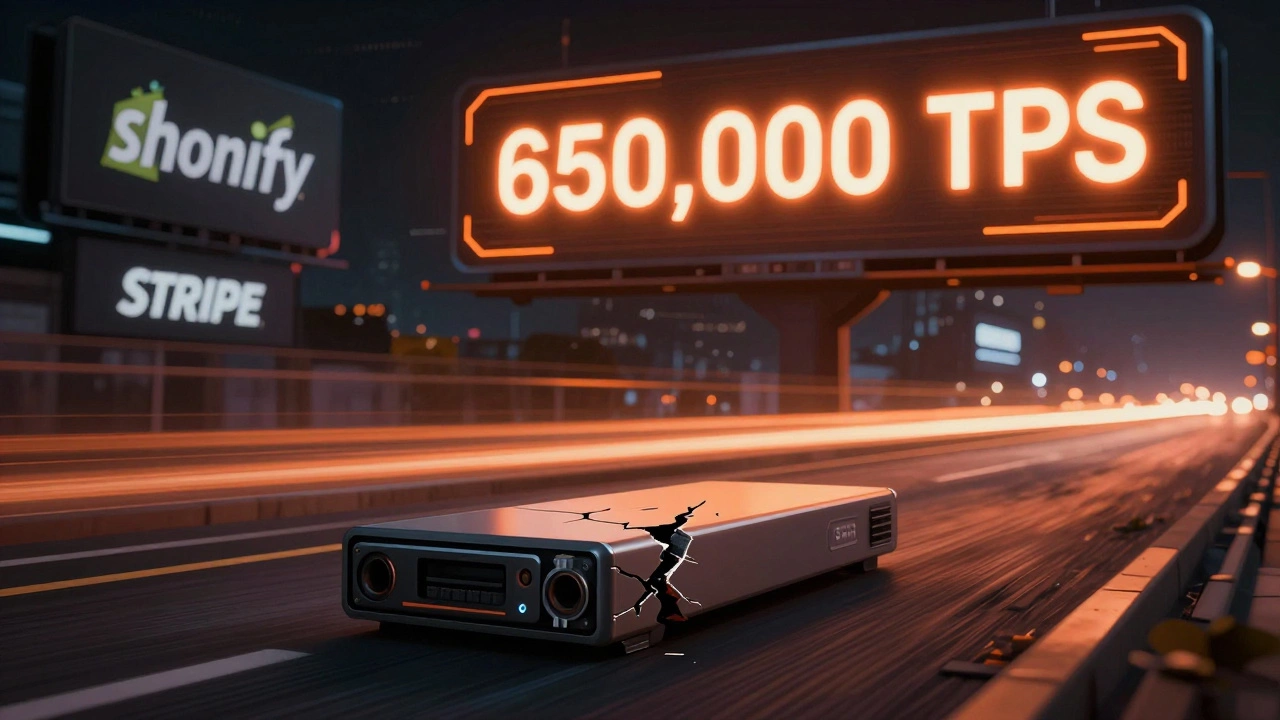
Now, Solana handles over 650,000 transactions per second. That’s faster than Visa. It’s home to the most active NFT marketplaces, DeFi apps, and meme coins. The Solana Foundation poured $300 million into developer grants in 2024 alone. Major brands like Shopify and Stripe are testing Solana-based payment systems.
But here’s the catch: Solana still has single points of failure. Its validator network is smaller than Ethereum’s. One misconfigured node can cause a hiccup. It’s not as battle-tested. If you’re okay with higher risk for higher potential reward, Solana could be a 5x or 10x play over the next three years. But don’t put all your eggs here.
Polkadot: The Interoperability Bet
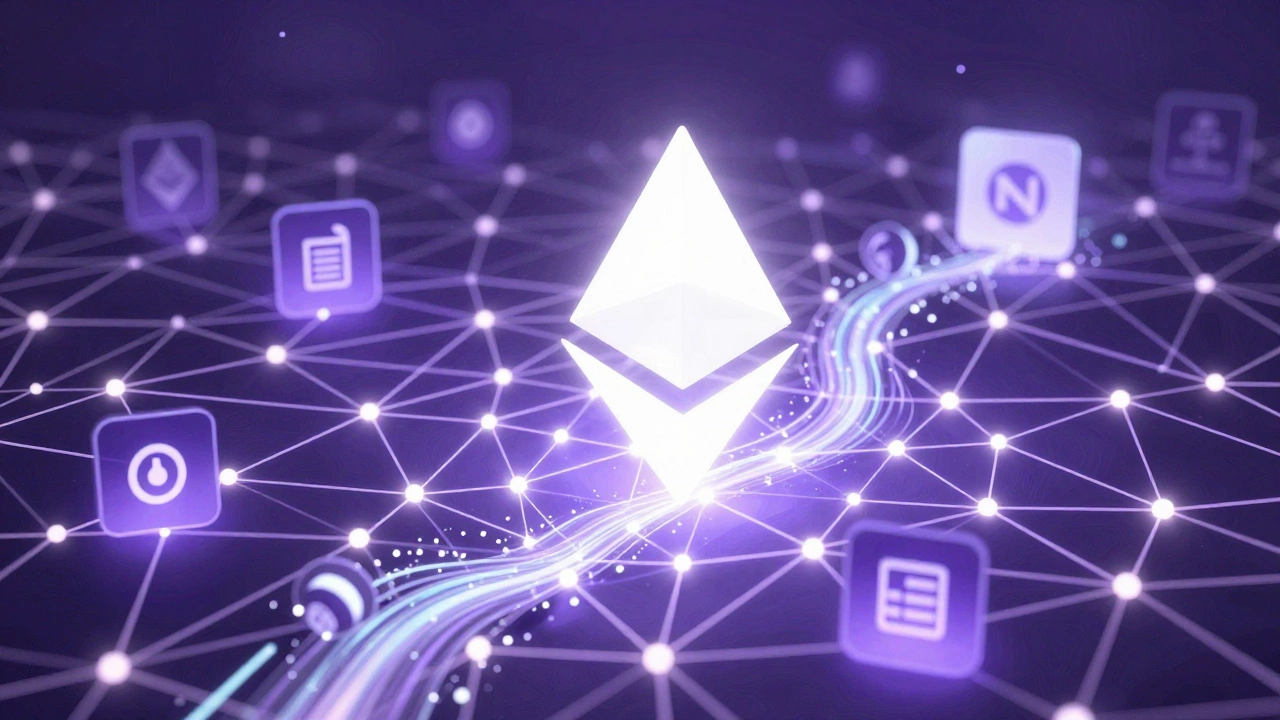
Polkadot’s whole purpose is to connect blockchains. Think of it as the internet for blockchains - letting Bitcoin, Ethereum, Solana, and others talk to each other without bridges or wrapped tokens. That’s huge. Right now, moving assets between chains is clunky, expensive, and risky. Polkadot’s parachain architecture solves that.
As of early 2026, Polkadot has 18 live parachains, including Acala (DeFi), Moonbeam (Ethereum-compatible), and Phala (privacy). Over 1.2 billion DOT are staked. The network is growing quietly but steadily. It’s not flashy, but it’s solving a real problem: fragmentation.
If you believe the future isn’t one dominant chain, but a multi-chain world, Polkadot is the infrastructure play. It’s not going to make you rich overnight. But if you’re building a long-term crypto portfolio, it’s worth holding.
Cardano: The Slow and Steady
Cardano’s founder, Charles Hoskinson, always said they’d build slowly, correctly, and with peer-reviewed research. Critics called it slow. Now, it’s looking smart.
In late 2025, Cardano launched its smart contract platform, Hydra, with full scalability. It now supports DeFi, NFTs, and enterprise-grade applications. Unlike Ethereum, Cardano’s code is formally verified - meaning mathematically proven to be secure. That’s a big deal for banks and governments exploring blockchain.
Adoption is growing in Africa and Southeast Asia. The Cardano Foundation is partnering with governments in Ghana and Kenya to issue digital IDs and land titles on-chain. That’s not hype - that’s real utility.
Cardano’s ADA price hasn’t exploded, but its ecosystem is solid. If you want a crypto with academic rigor and real-world use cases, this is it.
What to Avoid Right Now
Not all cryptos are worth your money. Stay away from coins with no clear use case, no dev team, or no history. Meme coins like Dogecoin and Shiba Inu? They’re gambling chips, not investments. Coins with anonymous teams? Red flag. Coins that promise 1000% returns? Run.
Also avoid coins that rely on one person. If the founder disappears, the project dies. We’ve seen this happen too many times.
How to Build Your Portfolio
Here’s a simple, realistic approach for 2026:
- Put 50% in Bitcoin. It’s your foundation.
- Put 30% in Ethereum. It’s your growth engine.
- Put 15% in Solana or Polkadot. One of them. Pick based on which ecosystem you believe in more.
- Put 5% in Cardano or another solid altcoin. For diversification.
Don’t chase the hottest new coin. Don’t panic-sell when prices dip. Crypto moves in cycles. The last bull run peaked in 2021. The next one? It’s building now. And it’ll be bigger.
Final Thought: It’s Not About Timing the Market
The best crypto to invest in now isn’t the one that’s trending on Twitter. It’s the one that solves a real problem, has real users, and has been around long enough to prove it can survive.
Bitcoin and Ethereum aren’t perfect. But they’re the only two that have survived every crash, every regulation, every hype cycle. Everything else? It’s bonus territory.
If you’re starting out, buy a little Bitcoin. Buy a little Ethereum. Hold. Learn. Wait for the next wave. That’s not speculation. That’s strategy.
Is Bitcoin still the best crypto to invest in 2026?
Yes, Bitcoin remains the safest and most reliable crypto investment in 2026. With institutional adoption growing, a fixed supply, and halving cycles driving scarcity, it’s the closest thing crypto has to a stable asset. While it won’t deliver 10x returns overnight, it’s the core holding any serious portfolio should have.
Should I invest in altcoins like Solana or Cardano?
Only after you’ve secured your Bitcoin and Ethereum positions. Altcoins carry higher risk but offer higher upside. Solana is strong for speed and developer activity, while Cardano brings real-world use cases and academic rigor. Diversify with one or two, but never let them make up more than 20% of your portfolio.
What’s the safest way to buy crypto right now?
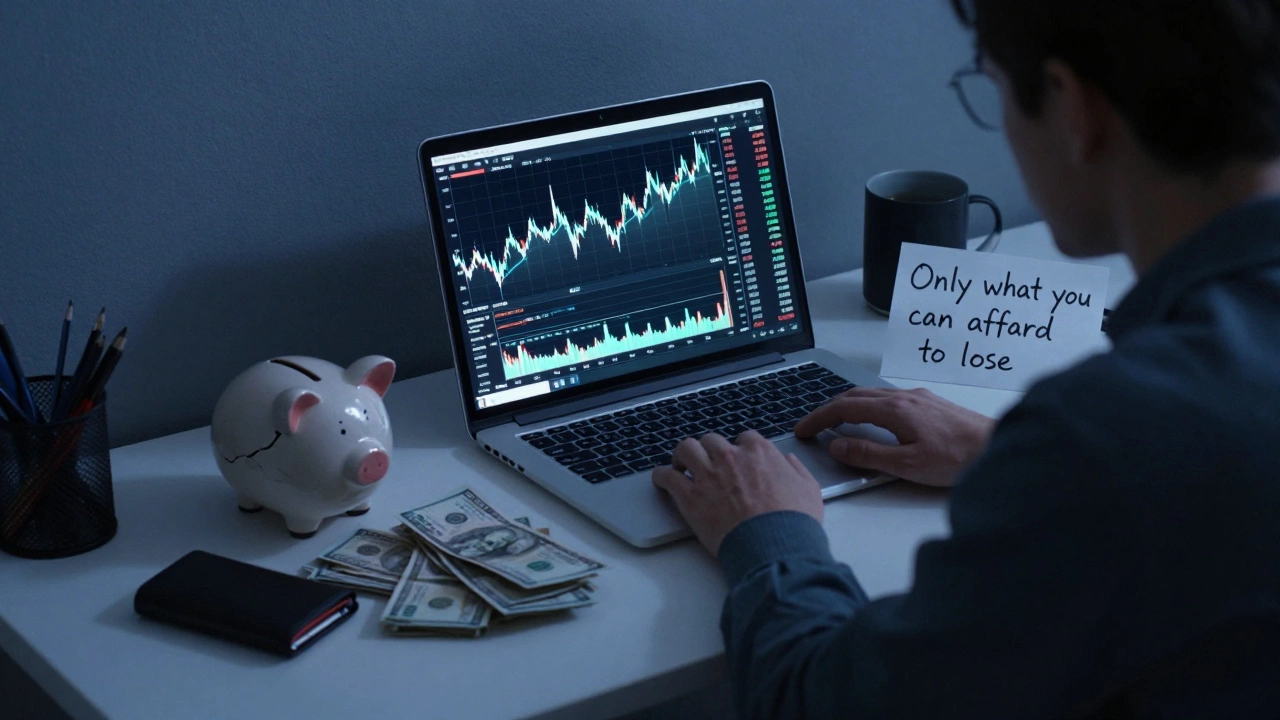
Use a regulated exchange like Coinbase, Kraken, or Australian-based Independent Reserve. Enable two-factor authentication. Store your long-term holdings in a hardware wallet like Ledger or Trezor. Never leave large amounts on exchanges. And never invest more than you can afford to lose.
Is now a good time to buy crypto after the 2024 crash?
Yes. Historically, the best buying opportunities come after major corrections. The 2024 downturn wiped out speculative projects and left only strong networks. With institutional money flowing in and regulatory clarity improving in the U.S., EU, and Australia, 2026 looks like the start of a new bull cycle. Dollar-cost averaging is the smartest strategy.
Can I make quick profits with meme coins like Dogecoin?
You might, but you’re gambling, not investing. Meme coins have no underlying value, no development team, and no real utility. They move on hype and social media trends. Most people who chase them lose money. Treat them like lottery tickets - if you play, use money you’re okay with losing completely.