
Long-Term Investment Calculator
See the Power of Consistent Investing
Based on historical S&P/ASX 200 returns of 8-10% annually. This tool demonstrates how small, regular investments grow over time using the same principles Warren Buffett, Peter Lynch, and John Bogle recommend.
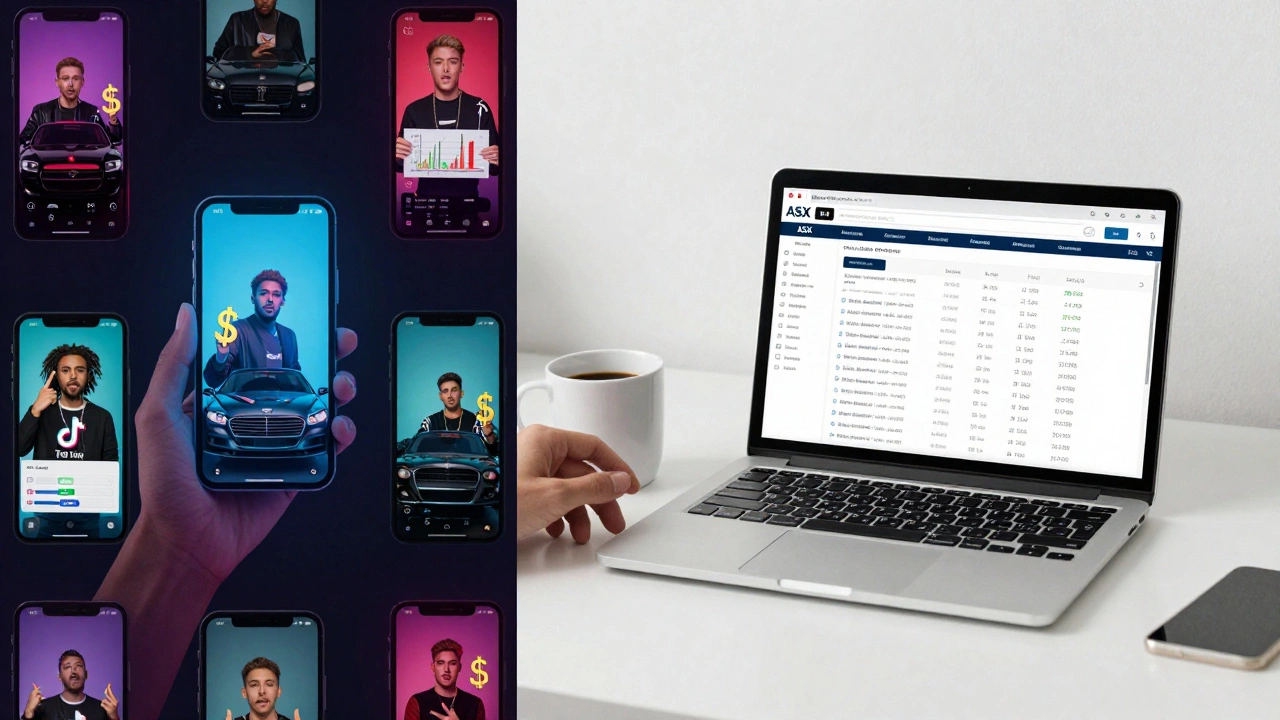
Everyone wants to know who gives the best stock advice. You’ve seen the flashy ads: "Buy this stock and get rich overnight!"" Or the YouTube gurus with luxury cars and gold watches claiming they turned $500 into $5 million. But here’s the truth-most of that advice is noise. The real winners don’t shout. They don’t sell courses. And they sure don’t post their portfolio on TikTok.
Who Actually Has a Track Record?
The best stock advice doesn’t come from a guy with a million followers. It comes from people who’ve been managing real money for decades, under real market conditions. Think Warren Buffett. Peter Lynch. Ray Dalio. These aren’t influencers. They’re investors who built wealth by sticking to simple principles: buy businesses, not tickers; hold for the long term; avoid emotional decisions.
Buffett’s Berkshire Hathaway has outperformed the S&P 500 by over 200% since 1965. Lynch managed the Fidelity Magellan Fund from 1977 to 1990 and returned 29% annually-beating the market by 10 points every single year. These aren’t lucky guesses. They’re repeatable strategies backed by data, discipline, and deep research.
What About Financial Advisors?
Not all financial advisors are created equal. Many charge 1% of your portfolio every year-$1,000 on a $100,000 account-and then recommend index funds you could buy yourself for $5. That’s not advice. That’s a subscription fee for doing nothing.
But there are good ones. Look for fee-only fiduciaries. These advisors are legally required to act in your best interest. They don’t earn commissions from selling you specific funds or insurance products. They get paid by the hour or a flat annual fee. In Australia, firms like Morningstar a global investment research firm that provides independent analysis on funds, stocks, and financial products and ASX the Australian Securities Exchange, which publishes market data, company reports, and investor education materials offer transparent, low-cost tools to help you evaluate advisors.
Ask them: "What’s your process for picking stocks? Do you have a written investment policy? Can I see your track record?" If they hesitate or give you vague answers, walk away.
Why Most Online Gurus Are Dangerous
Let’s be blunt: the internet is flooded with people selling hope. They post screenshots of fake gains. They use AI-generated videos. They promise "secret signals" you can follow for $97/month. These aren’t advisors-they’re marketers.
A 2024 study by the ASIC the Australian Securities and Investments Commission, which regulates financial services and enforces consumer protection laws found that 73% of social media "investment coaches" made claims that violated Australian financial advice laws. Many were unlicensed. Many were promoting high-risk options or crypto scams.
Here’s a red flag: if someone says, "This stock is going to 10x in 6 months," run. No legitimate investor makes that claim. Markets don’t work like that. Even the best analysts can’t predict short-term moves with any real accuracy.
Where to Find Real, Reliable Advice
Forget the hype. Go straight to the source.
- Company filings - Read annual reports (10-Ks in the U.S., or equivalent in Australia). Look for revenue trends, debt levels, and management commentary. ASX the Australian Securities Exchange, which publishes market data, company reports, and investor education materials has a free portal where you can download these directly.
- Investment research platforms - Morningstar a global investment research firm that provides independent analysis on funds, stocks, and financial products gives you ratings, analyst reports, and risk scores. Yahoo Finance a widely used financial data platform that offers stock quotes, news, and historical performance data and TradingView a social network for traders and investors that provides charting tools and community-driven market analysis offer free tools to track trends and compare stocks.
- Books by proven investors - The Intelligent Investor by Benjamin Graham, A Common Sense Approach to Investing by John Bogle, and One Up On Wall Street by Peter Lynch are still the gold standard. They’re not flashy. But they’ve lasted because they work.
- Low-cost index funds - If you’re not confident picking stocks, invest in an index fund. The S&P/ASX 200 the benchmark index for the Australian stock market, tracking the performance of the top 200 listed companies ETFs have delivered 8-10% annual returns over the last 20 years. You don’t need to be a genius to beat 80% of investors-you just need to stay invested.
What the Best Advice Has in Common
Here’s what separates real advice from the noise:
- It’s long-term - Real investors think in decades, not days.
- It’s transparent - They show their reasoning, not just their results.
- It’s humble - They admit when they’re wrong.
- It’s consistent - They follow the same rules, even when markets crash.
That’s why Buffett says, "Rule No. 1: Never lose money. Rule No. 2: Never forget Rule No. 1." It’s not about being right every time. It’s about avoiding big mistakes.

What You Should Do Right Now
Stop chasing hot tips. Start building a system.
- Open a brokerage account with a low-fee provider like CommSec a leading Australian online brokerage platform that offers low-cost trading and investment tools or Sharesies a user-friendly investment platform popular with beginners in Australia for buying fractional shares and ETFs.
- Invest $50 a month into an ASX 200 ETF. Set it and forget it.
- Read one annual report a month. Start with a company you understand-like Woolworths or Telstra.
- Follow one trusted source: Morningstar, ASX, or a book author like John Bogle.
- Ignore everything else. Block social media accounts that promise "get rich quick." They’re not helping.
You don’t need to be the smartest person in the room. You just need to be the most consistent.
Is there a single person who gives the best stock advice?
No single person gives "the best" advice for everyone. What works for Warren Buffett won’t work for a 25-year-old in Brisbane saving for their first home. The best advice is personalized, evidence-based, and aligned with your goals. Focus on systems-not gurus.
Can I trust stock tips from Reddit or TikTok?
Almost never. Social media is full of people trying to sell you something-courses, signals, or their own overvalued picks. A 2023 ASIC report showed that over 60% of "investment advice" on TikTok and Reddit violated financial regulations. If you’re not sure, assume it’s a scam.
Do I need a financial advisor to invest in stocks?
No, you don’t. Many people manage their own portfolios successfully using low-cost ETFs and free research tools. But if you have over $250,000 to invest, or you’re unsure how to handle taxes, estate planning, or risk management, a fee-only fiduciary advisor can be worth the cost. Just make sure they’re licensed and don’t push commission-based products.
What’s the most reliable free source for stock advice in Australia?
The ASX the Australian Securities Exchange, which publishes market data, company reports, and investor education materials website is your best free resource. It offers company announcements, educational guides, and real-time market data. Combine that with Morningstar a global investment research firm that provides independent analysis on funds, stocks, and financial products’s free ratings, and you’ve got more than enough to make smart decisions.
How do I know if a stock advisor is legit?
Check their license on the ASIC the Australian Securities and Investments Commission, which regulates financial services and enforces consumer protection laws Financial Advisers Register. Ask for their Statement of Advice (SOA) before they give you any recommendations. Legitimate advisors will provide it without hesitation. If they pressure you to act fast, that’s a red flag.
Final Thought: The Real Secret
The best stock advice isn’t hidden in a newsletter or a paid Discord group. It’s in plain sight: buy quality businesses at fair prices, hold them for years, and ignore the noise. That’s it. No magic. No secrets. Just patience, discipline, and a willingness to learn.
If you do that, you’ll outperform 90% of investors-even those who pay for "expert" advice.