ISA Tax Savings Calculator
Calculate Your ISA Tax Savings
See how much you could save by using an ISA versus a regular account. Based on 2025/2026 UK tax rates.
Based on your contribution and tax rate
Example: £10,000 contribution at Basic Rate (20%) = £2,000 saved in tax.
When people hear "ISA," they often think: tax-free. And for good reason. But is every ISA truly tax-free? Or are there hidden limits, conditions, and traps that could cost you money? Let’s cut through the noise and lay out exactly how ISAs work - no fluff, no jargon, just what you need to know.
What Is an ISA?
An ISA, or Individual Savings Account, is a UK government-backed savings or investment account that lets you grow your money without paying tax on interest, dividends, or capital gains. Think of it as a special box the government lets you put money in - as long as you follow the rules, whatever grows inside stays yours, untouched by tax.
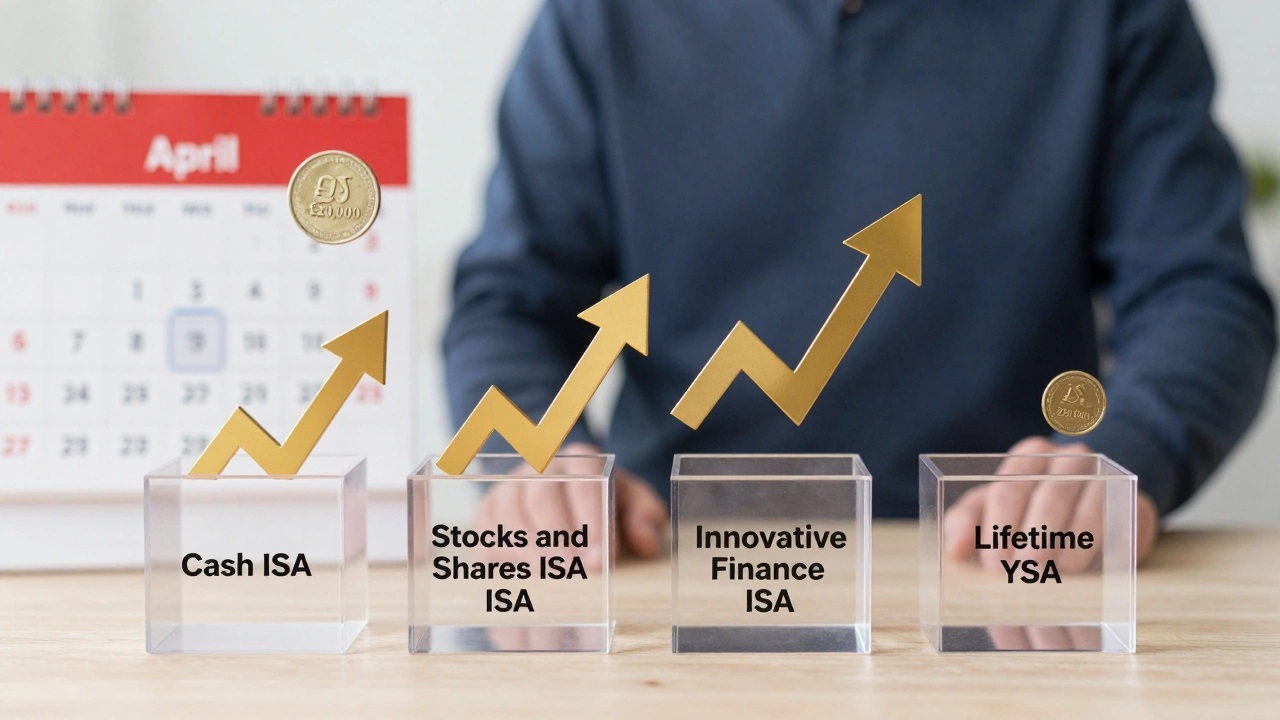
There are four main types of ISAs:
- Cash ISA: Like a regular savings account, but interest is tax-free.
- Stocks and Shares ISA: Lets you invest in funds, shares, or bonds - and you don’t pay capital gains or dividend tax.
- Innovative Finance ISA: For peer-to-peer lending. Returns are tax-free, but riskier than cash or stocks.
- Lifetime ISA: Designed for first-time homebuyers or retirement. You get a 25% government bonus, but withdrawals have strict rules.
Each type has the same tax benefits, but they serve different goals. You can only open one of each type per tax year, and you can’t exceed the annual allowance.
The Tax-Free Allowance
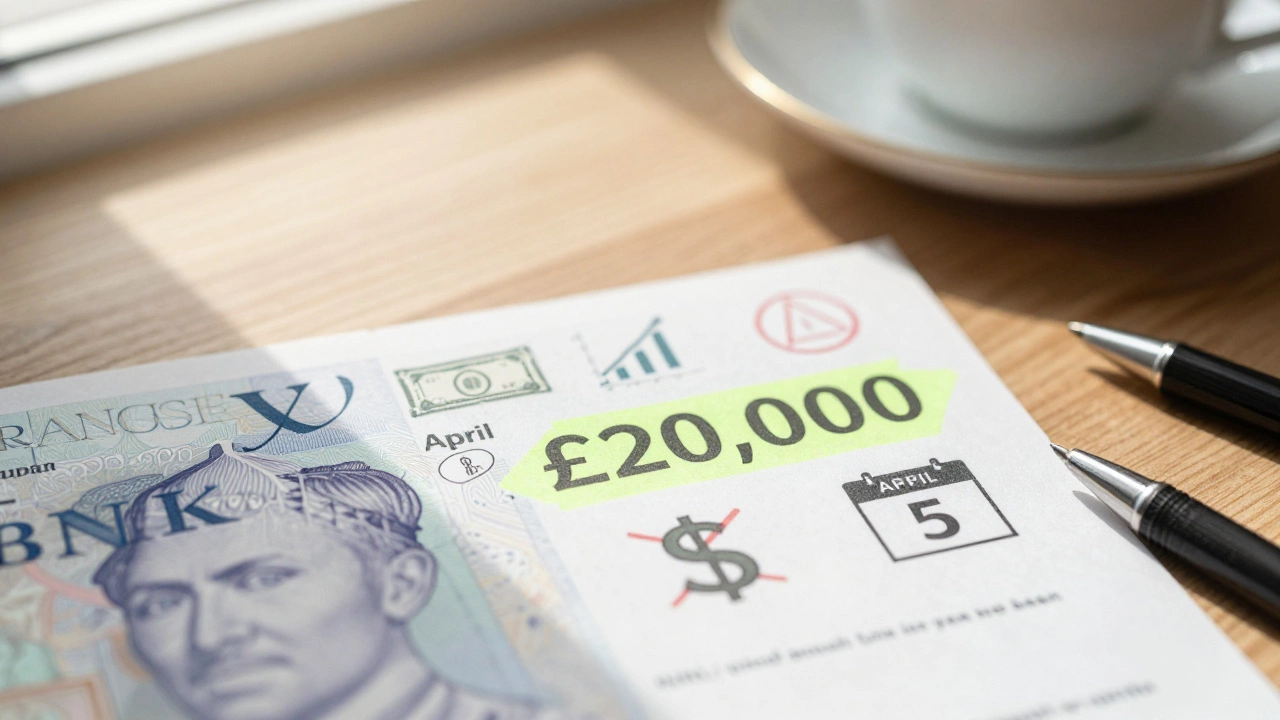
For the 2025/2026 tax year, the total ISA allowance is £20,000. That’s the maximum you can put into any combination of ISAs in one year. You can put all £20,000 into a Cash ISA. Or split it - £10,000 in Cash, £10,000 in Stocks and Shares. Or even spread it across all four types. The government doesn’t care how you divide it, as long as you don’t go over.
Here’s the catch: this allowance resets every April 6. If you don’t use it by April 5, you lose it. No carryover. No do-overs. That’s why many people set up automatic transfers right after the new tax year starts.
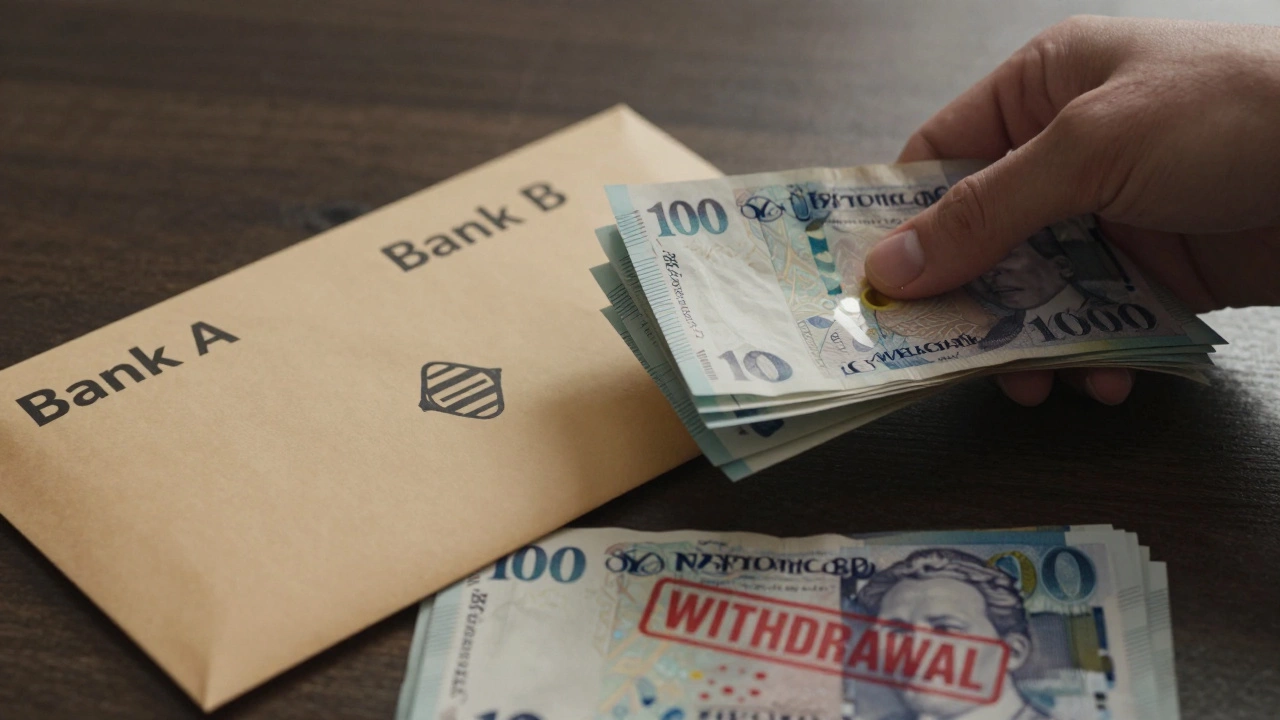
And here’s what most people don’t realize: you can have multiple ISAs from different providers - but you can only pay into one of each type per year. So if you had a Cash ISA with Bank A last year, you can still open a new one with Bank B this year - but you can’t pay new money into both. You’d have to transfer the old money first.
What Exactly Is Tax-Free?
Let’s break it down by type.
Cash ISA: Interest earned is completely tax-free. No matter how much you earn - £50 or £1,000 - you don’t pay income tax on it. That’s different from a regular savings account, where you pay tax on interest over £1,000 (or £500 for higher-rate taxpayers).
Stocks and Shares ISA: This is where the real power kicks in. If you sell shares and make a profit, you normally pay capital gains tax. But inside a Stocks and Shares ISA? Zero capital gains tax. Same with dividends. Outside an ISA, you pay 8.75% (basic rate), 33.75% (higher rate), or 39.35% (additional rate) on dividends. Inside? Nothing. Not a penny.
Innovative Finance ISA: Peer-to-peer loans can pay 5% to 8% returns. Outside an ISA, that’s taxable income. Inside? Tax-free. But remember - this isn’t a bank. If the borrower defaults, you could lose money. The tax-free benefit doesn’t protect your capital.
Lifetime ISA: You get a 25% bonus from the government on deposits up to £4,000 per year. So if you put in £4,000, you get £1,000 free. That bonus is also tax-free. And when you withdraw for a home or retirement? No tax. But if you withdraw for anything else? You lose the bonus and pay a 25% withdrawal charge.
What’s Not Tax-Free?
Many assume ISAs are magic. They’re not. Here’s what they don’t do:
- No protection from inflation. If your Cash ISA pays 1% and inflation is 3%, you’re losing money in real terms.
- No insurance on investments. Cash ISAs are protected up to £85,000 per institution by the FSCS. But Stocks and Shares ISAs? Not covered. If the market crashes, you lose value.
- No protection from fees. Some ISA providers charge annual fees, platform fees, or trading fees. Those eat into your returns - and they’re not tax-deductible.
- No inheritance tax exemption. Your ISA isn’t automatically passed tax-free to your heirs. When you die, the account stays tax-free until it’s closed - but the value becomes part of your estate. If your estate is over £325,000, inheritance tax may apply.
Transferring ISAs
Can you move money from one ISA to another? Yes - and you should. But never withdraw and redeposit. That counts as a new contribution and could blow your allowance.
Example: You have £15,000 in a Cash ISA with Bank A. You want to switch to Bank B, which offers a better rate. You must request a transfer, not a withdrawal. Bank B will handle the paperwork. Bank A sends the money directly. Your £15,000 doesn’t count against your £20,000 allowance for the year.
But if you withdraw £15,000 yourself and deposit it into Bank B? That’s treated as a new contribution. You’ve now used £15,000 of your allowance - and you can only add £5,000 more this year. You’ve wasted £15,000 of unused space.
Who Can Open an ISA?
You must be:
- A UK resident (or a Crown servant working overseas)
- Aged 16 or older for Cash ISAs
- Aged 18 or older for Stocks and Shares, Innovative Finance, and Lifetime ISAs
There’s no income requirement. You don’t need to be employed. You don’t need to pay tax. Even if you earn £0, you can still put £20,000 into an ISA - and it’ll grow tax-free.
What Happens When You Die?
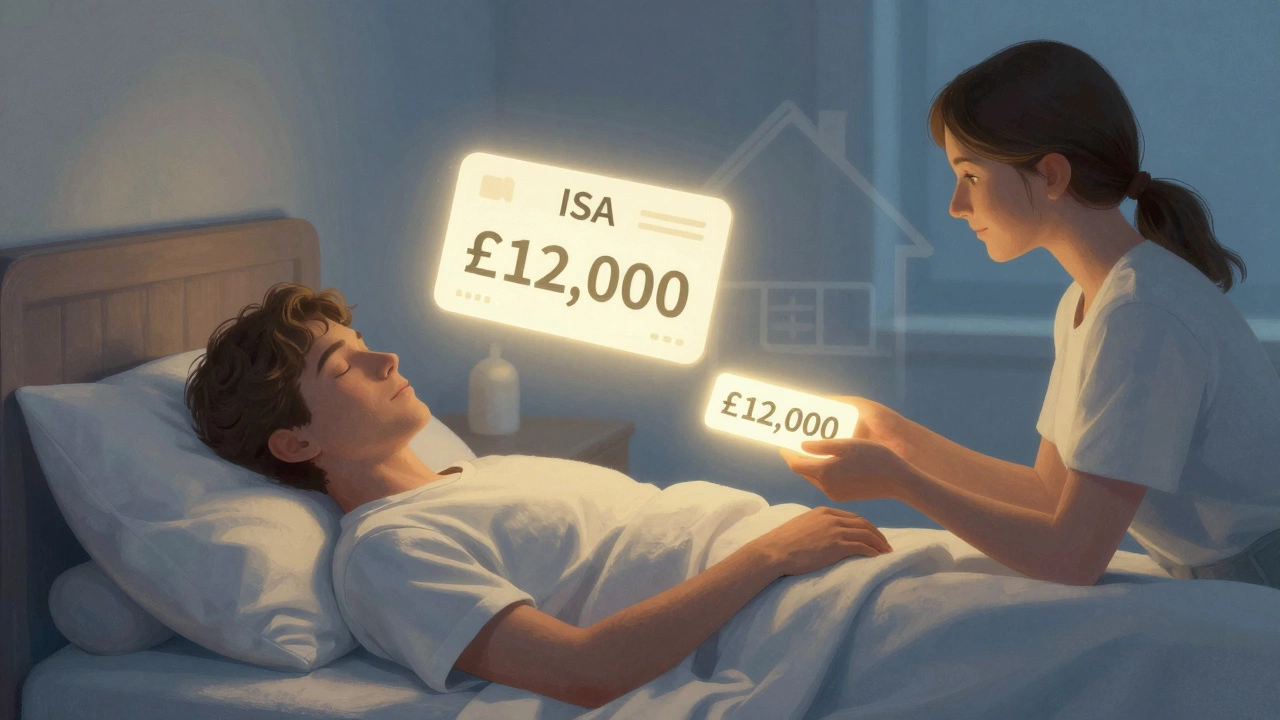
Your ISA doesn’t disappear. It becomes a "continuing ISA" for your partner or estate. Your spouse or civil partner can inherit an extra ISA allowance equal to the value of your account at the time of death. This is called the "additional permitted subscription." It lets them add that amount on top of their own £20,000 limit.
Example: You die with £12,000 in a Stocks and Shares ISA. Your partner can add £12,000 to their own ISA in addition to their £20,000 allowance. That’s £32,000 they can invest tax-free this year.
This benefit only applies to spouses or civil partners. Other beneficiaries get the money as part of your estate - and it may be subject to inheritance tax.
Common Mistakes
Here’s what trips people up:
- Opening multiple ISAs in one year - You can only pay into one of each type. You can hold many, but not contribute to all.
- Withdrawing and redepositing - Once you take money out, you can’t put it back in without using part of your allowance.
- Assuming all ISAs are safe - Stocks and Shares ISAs can lose value. Don’t treat them like a bank account.
- Forgetting the deadline - April 5 is the last day to use your allowance. Don’t wait until March 31.
Is an ISA Right for You?
If you’re saving or investing in the UK, an ISA is almost always better than a regular account. Even if you’re not a high earner, the tax-free growth adds up. Over 10 years, £20,000 invested at 5% annual return becomes £32,578 - tax-free. Outside an ISA? You’d owe tax on interest and gains, cutting that down to roughly £28,000.
Use a Cash ISA if you want safety and easy access. Use a Stocks and Shares ISA if you’re investing for the long term. Use a Lifetime ISA if you’re saving for a first home or retirement. Don’t overcomplicate it. Just start.
The key is consistency. Put in what you can, every year. Even £100 a month adds up. And remember - it’s not about how much you save. It’s about how little you pay in tax.
Are ISAs completely tax-free?
Yes - but only if you stay within the rules. Interest, dividends, and capital gains inside an ISA are tax-free. But you can’t exceed the £20,000 annual allowance, and you can’t withdraw and redeposit without losing allowance. Also, ISAs don’t protect against inflation, fees, or market losses.
Can I have more than one ISA?
Yes, you can have multiple ISAs from different providers - but you can only pay into one of each type per tax year. For example, you can have a Cash ISA with Bank A and another with Bank B, but you can only contribute new money to one of them in 2025/2026.
What happens if I exceed the ISA allowance?
If you accidentally pay in more than £20,000, HMRC will contact you. They’ll ask you to withdraw the excess. Any interest or gains on the overpayment may be taxed. Don’t try to hide it - HMRC tracks ISA contributions across all providers.
Can I lose money in a Stocks and Shares ISA?
Yes. A Stocks and Shares ISA doesn’t guarantee returns. If the market falls, your investment loses value. The tax-free benefit doesn’t protect your capital. Only the FSCS protects cash deposits up to £85,000 - not investments.
Can I transfer my ISA to a new provider?
Yes - and you should always do a transfer, not a withdrawal. If you withdraw money and deposit it yourself, it counts as a new contribution and could use up your annual allowance. Always use the official transfer process through your new provider.