
ISA Allowance Calculator (2025/2026)
Allowance Usage
0% UsedEnter your deposits above to see if you have room for a new contribution.
Imagine having a lump sum of £20,000 sitting in your current account. It feels good to have that safety net, but it’s also money that isn’t working for you. The natural question is whether you can shove all of that into an Individual Savings Account (ISA) at Halifax to let it grow tax-free. The short answer? Yes, but only if you haven’t touched your limit elsewhere this tax year.
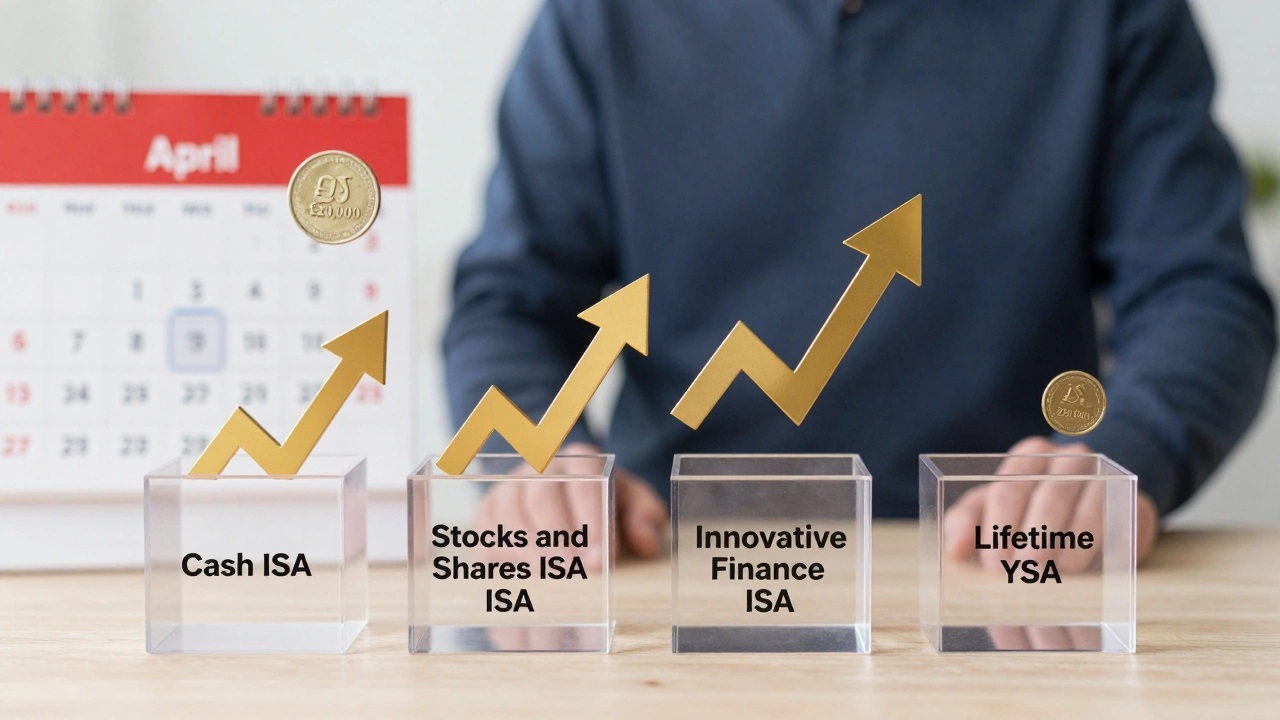
Many people assume banks set their own caps on how much you can save. In reality, the cap is set by HM Revenue & Customs (HMRC), not by Halifax. For the 2025/2026 tax year, the standard ISA allowance is £20,000 per person. This means you can put up to £20,000 into any combination of ISAs-cash, stocks and shares, or innovative finance-across *all* UK providers. If you’ve already put £5,000 into a Halifax Cash ISA and £15,000 into a Lendinvest Stocks and Shares ISA, your allowance is used up. Trying to add another penny will result in an over-subscription penalty.
Understanding the £20,000 Annual Allowance
The ISA system is designed to encourage saving without the drag of income tax on interest or capital gains. The central entity here is the Individual Savings Account, which is a tax-efficient wrapper for savings and investments available to UK residents. It belongs to the broader category of personal finance tools but operates under specific government rules.
Here is how the math works for the current period:
- Total Allowance: £20,000 per individual per tax year (April 6, 2025 - April 5, 2026).
- Flexibility: You can split this across multiple accounts and providers.
- Carry-Forward: Unused allowance does *not* roll over to the next year.
If you are single, your partner has their own separate £20,000 allowance. So, a couple could potentially save £40,000 tax-free in one year. However, if you are married and want to share access to the same account, check if the specific Halifax product allows joint ownership, as most modern ISAs are individual-only.
Halifax’s Specific Rules and Product Types
Halifax offers several types of ISAs, each with different features. Knowing which one fits your goal helps you maximize that £20,000. The main options include Cash ISAs and Stocks and Shares ISAs.
| Product Type | Typical Use Case | Risk Level | Key Feature |
|---|---|---|---|
| Instant Access Cash ISA | Emergency funds, short-term goals | Low (Capital protected) | Withdraw anytime, variable interest rate |
| Fixed-Term Cash ISA | Saving for a house deposit (1-5 years) | Low (Capital protected) | Higher fixed rate, penalty for early withdrawal |
| Stocks and Shares ISA | Long-term growth (5+ years) | Medium-High (Market risk) | Tax-free dividends and capital gains |
A common misconception is that you can switch between these freely without consequences. While you can hold both a Cash ISA and a Stocks and Shares ISA simultaneously, they count toward the same £20,000 total. If you open a Fixed-Term ISA, be careful. These often lock your money away for a set period. If you need to break the term early, you might lose interest or face a penalty, though your principal usually remains safe.
Can You Put More Than £20,000 Into One Account?
This is where it gets tricky. Technically, yes, you can hold more than £20,000 in a single Halifax ISA account, but only if part of that balance was contributed in previous tax years.
Let’s say you deposited £20,000 in the 2024/2025 tax year. That money stays in the account. In the 2025/2026 tax year, you get a fresh £20,000 allowance. You can add another £20,000 to the *same* account. Now, your total balance is £40,000. This is perfectly legal. The restriction is on *new contributions* per year, not the total balance held.
However, if you try to transfer an old ISA from another bank into Halifax, that doesn’t use your new allowance. Transfers preserve the tax-free status. But if you withdraw cash from an old ISA and then re-deposit it into a new one, that counts as a new contribution against your current £20,000 limit. This is a classic trap that leads to accidental over-subscriptions.

What Happens If You Exceed the Limit?
Exceeding the ISA allowance is called over-subscribing. It happens when you deposit more than your remaining allowance for the current tax year. For example, if you have £10,000 left in your allowance and you deposit £15,000, you have over-subscribed by £5,000.
Why is this bad? Because the excess amount loses its tax-free status. You will owe Income Tax on the interest earned from that £5,000 portion. If you don’t report it, HMRC may eventually flag it, leading to back taxes and potential penalties. Halifax monitors deposits closely, so large lump sums often trigger an automatic check. They may ask you to confirm your remaining allowance before accepting the full payment.
To avoid this, always calculate your remaining allowance before making a large deposit. You can check your usage via the HMRC online service or by asking Halifax directly. Keep records of every deposit made since April 6th of the current year.
Strategies for Maximizing Your Halifax ISA
If you have exactly £20,000 to invest, how should you allocate it? It depends on your timeline and risk tolerance. Here are three practical scenarios:
- The Safety First Approach: Put the entire £20,000 into a Halifax Instant Access Cash ISA. This keeps your money liquid. If rates are competitive, you earn decent interest without locking anything up. Ideal for emergency funds or savings needed within 1-2 years.
- The Growth Approach: Split the money. Put £10,000 into a Cash ISA for immediate needs and £10,000 into a Stocks and Shares ISA. Over 10-15 years, the stock market historically outperforms cash savings. This requires patience and a stomach for volatility.
- The Hybrid Term Approach: Use a Fixed-Term Cash ISA for a portion (e.g., £15,000) to lock in a higher rate for a house deposit due in 3 years, and keep £5,000 in Instant Access for flexibility.
Remember, Halifax also offers Lifetime ISAs (LISAs) for those under 40, but these have a separate, lower annual limit (£4,000) and strict rules on early withdrawal. Don’t confuse the two allowances. The £20,000 standard ISA limit and the £4,000 LISA limit are distinct buckets.

Common Mistakes to Avoid
Even experienced savers make errors with ISAs. Watch out for these pitfalls:
- Assuming Bank Limits Apply: Banks don’t cap your ISA deposits based on their internal policies; HMRC does. As long as you stay within the national allowance, Halifax will accept it.
- Forgetting About Joint Accounts: If you have a joint current account, don’t assume the ISA is joint. Most ISAs are individual. Confirm who the account holder is.
- Ignoring the Tax Year Boundary: The tax year ends on April 5th. Deposits made on April 6th count toward the *next* year’s allowance. Timing matters for maximizing utilization.
- Mixing Up Transfers and Withdrawals: Always use the official transfer process to move ISAs between providers. Withdrawing and re-depositing wastes your annual allowance.
Halifax’s customer service team can verify your exact position if you’re unsure. A quick call or chat can prevent costly mistakes. They have access to your transaction history and can tell you precisely how much of your £20,000 allowance remains unused.
Frequently Asked Questions
Does Halifax have its own limit lower than £20,000?
No. Halifax follows the national HMRC allowance of £20,000 for the 2025/2026 tax year. Any lower limit would be non-standard and unusual. Check the specific terms of any fixed-term products, but generally, the full allowance is available.
Can I put £20,000 into a Halifax ISA and another £20,000 into a different bank’s ISA?
No. The £20,000 limit is per person, not per bank. If you use the full £20,000 at Halifax, you cannot contribute to any other UK ISA provider until the next tax year begins on April 6th.
What if I inherit money and want to put it into my Halifax ISA?
Inherited cash is treated as a new contribution. It counts against your current year’s £20,000 allowance. If your allowance is already used up, you cannot deposit the inheritance into an ISA until the next tax year. You can, however, hold it in a regular savings account or invest it outside an ISA wrapper.
Is there a minimum deposit required to open a Halifax ISA?
Most Halifax Cash ISAs have no minimum opening deposit. You can start with £1. However, some promotional or fixed-rate deals might require a minimum initial deposit to qualify for the advertised interest rate. Check the product details before applying.
How do I track my remaining ISA allowance with Halifax?
You can log into your Halifax Online Banking to view your ISA transactions. Alternatively, use the HMRC 'Check Your ISA' service online, which aggregates data from all providers. This gives you a clear picture of how much of your £20,000 allowance you have used across all your accounts.