Homeowners Insurance Policy Finder
Answer the questions below to identify which standard insurance form fits your housing situation.
Best For:
Coverage Breakdown
Buying a house is exciting. Signing the paperwork feels like the finish line. But then your lender hands you a stack of documents and says, "You need insurance." Suddenly, you are staring at terms like HO-3, HO-6, and ACV, wondering if you just signed up for the right thing or the most expensive one.
Most people think there is only one type of homeowners insurance that covers everything. That is not true. Your coverage depends entirely on what you own, how you use it, and where you live. Picking the wrong policy can leave you out of pocket after a storm or a fire. Let’s break down the three main types so you know exactly what you are paying for.
Key Takeaways
- HO-3 (Special Form) is the standard for single-family homes, covering the structure and personal belongings against all risks except those specifically excluded.
- HO-6 (Condo Unit Owners) protects the inside of your apartment unit and your personal property, while the building’s exterior is covered by the association’s master policy.
- HO-4 (Renters) does not cover the building itself but protects your personal belongings and provides liability coverage for accidents in your rented space.
- Replacement Cost vs. Actual Cash Value: This distinction determines whether you get paid enough to buy new stuff or just the depreciated value of your old stuff.
The Gold Standard: HO-3 Special Form
If you own a detached house, this is likely the policy you will end up with. The HO-3 policy is the most common form of homeowners insurance in the United States, designed for single-family homes and townhouses owned by individuals. It is called "Special Form" because it offers broad protection. Instead of listing every disaster that is covered, it covers everything unless it is specifically listed as an exclusion.
Think of it like a safety net with holes cut out only where necessary. Common exclusions include floods, earthquakes, and normal wear and tear. If your roof gets hit by hail, you are covered. If a pipe bursts, you are covered. If your basement floods because of heavy rain from outside, you might not be, unless you bought separate flood insurance.
The structure of an HO-3 policy has two main parts. Part A covers the dwelling itself-the walls, roof, floors, and built-in appliances. Part B covers other structures on your property, like a detached garage or shed. Then, Part C covers your personal property, such as furniture, electronics, and clothes. Finally, Part D provides additional living expenses if your home becomes uninhabitable due to a covered loss. If your kitchen burns down, Part D pays for your hotel stay and meals while repairs happen.
One critical detail often missed is how personal property is valued. By default, many policies pay out based on Actual Cash Value (ACV). This means they subtract depreciation. If you bought a laptop five years ago for $1,000, and it is stolen, the insurer might only pay you $200 because the laptop is older. To fix this, you can add a Replacement Cost endorsement. This ensures you get enough money to buy a new laptop today, not the depreciated value of the old one. It costs more upfront but saves headaches later.
The Urban Choice: HO-6 Condo Unit Owners
Living in a condo or co-op changes the rules. You do not own the entire building; you own your specific unit. The HO-6 policy is designed for condominium owners, covering the interior of their unit, personal property, and liability, while excluding the building's exterior.
This creates a tricky situation known as "gap coverage." Your condo association has a master policy that covers the building’s exterior, the roof, and common areas like hallways and elevators. But who covers the drywall between your unit and the hallway? Who covers the plumbing pipes inside your walls? This depends on your condo’s bylaws. Some associations follow a "walls-in" rule, meaning you are responsible for everything inside your unit, including the walls. Others follow a "bare-bones" rule, where the association covers the walls, and you only cover the paint, fixtures, and contents.
You must read your condo documents before buying HO-6 insurance. If your association uses a bare-bones policy, you need higher limits for your interior structures. If they use a walls-in policy, you might save money by lowering your dwelling coverage limit since the association already covers the structural shell.
HO-6 also handles unique liabilities. For example, if your washing machine leaks and damages the apartment below you, your HO-6 liability section kicks in. The master policy usually does not cover damage caused by one unit to another. This makes HO-6 essential even if your unit looks pristine.
The Tenant Shield: HO-4 Renters Insurance
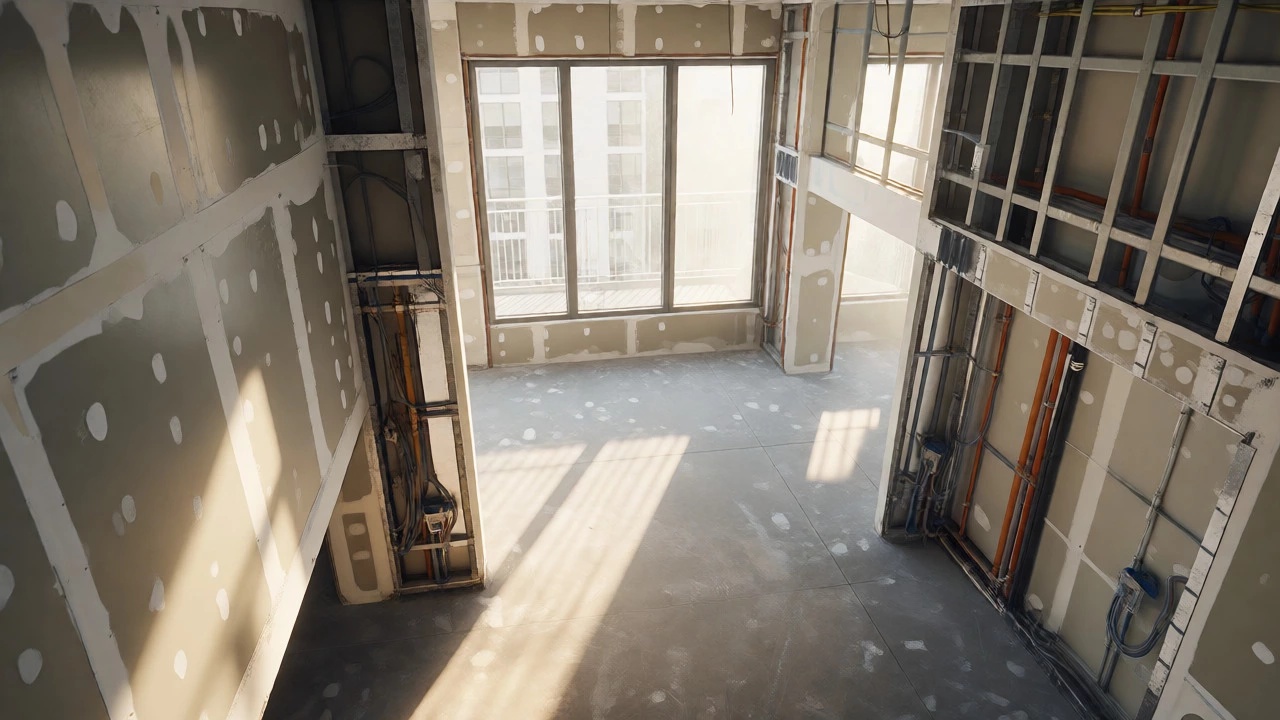
Renters often skip insurance, thinking the landlord’s policy covers them. It does not. The landlord’s policy covers the building and their liability, not your TV, your clothes, or your liability if your dog bites a guest. HO-4 is renters insurance, which protects personal property and provides liability coverage without covering the physical structure of the home.
This is the cheapest of the three main types, often costing less than $20 a month. Despite the low cost, it provides significant protection. Like HO-3, it typically covers personal property against named perils-specific events like fire, theft, vandalism, and windstorms. It also includes loss of use, meaning if your apartment becomes unlivable due to a fire, the insurer pays for your temporary housing.
Liability coverage is the hidden gem here. Suppose a friend slips on your wet floor and breaks their wrist. They could sue you for medical bills and lost wages. Without HO-4, you pay out of pocket. With it, your insurer covers legal fees and settlements up to your policy limit. Many landlords now require proof of HO-4 insurance before signing a lease to protect themselves from these scenarios.
| Feature | HO-3 (Single-Family) | HO-6 (Condo) | HO-4 (Renter) |
|---|---|---|---|
| Who buys it? | Homeowners of detached houses/townhomes | Owners of condo/co-op units | Tenants/Renters |
| Covers Building? | Yes, full structure | Only interior of unit (varies by bylaws) | No |
| Covers Personal Property? | Yes | Yes | Yes |
| Liability Coverage? | Yes | Yes | Yes |
| Average Monthly Cost (US Est.) | $80 - $150+ | $30 - $70 | $10 - $25 |
| Best For | Full ownership responsibility | Shared building ownership | Protecting assets without owning real estate |
Beyond the Big Three: Niche Policies
While HO-3, HO-6, and HO-4 cover most situations, life is rarely simple. What if you own a historic home with plaster walls? What if you rent out part of your house? What if you live in a mobile home?
For historic homes, standard replacement cost calculations fail. Replacing original hand-carved moldings costs way more than installing generic trim. Insurers offer specialized policies that account for custom craftsmanship. These are often more expensive but prevent underinsurance.
If you rent out a room or a separate unit, you might need a landlord policy (DP-3) instead of a standard homeowner’s policy. HO-3 assumes you live there. If tenants occupy the space, the risk profile changes. Mixing residential use with rental income without telling your insurer can void your claim.
Mobile homes have their own category, often called HO-7. Because these structures are vulnerable to different weather patterns and transport issues, the coverage details differ slightly, particularly regarding anchoring and wind damage.

How to Choose the Right Policy
Selecting the right type is step one. Step two is configuring it correctly. Here is a quick checklist to ensure you are not underinsured.
- Calculate Dwelling Coverage: Do not base this on your mortgage balance or market value. Base it on the cost to rebuild your home from scratch using current labor and material prices. Use an online reconstruction calculator or ask your agent for a professional estimate.
- Inventorize Your Belongings: Walk through your home and list major items. Take photos or videos. Store this digital inventory in the cloud. When filing a claim, having visual proof speeds up the process significantly.
- Check Your Deductible: A higher deductible lowers your premium but increases your out-of-pocket cost during a claim. Ensure you have enough emergency savings to cover the deductible instantly.
- Review Liability Limits: The standard $100,000 liability limit might seem high, but one serious accident can exceed it. Consider an umbrella policy if you have significant assets to protect.
- Understand Exclusions: Read the fine print on water damage. Most policies cover sudden bursts but not gradual leaks. They cover falling ice but not ground flooding. Know where the gaps are.
Common Pitfalls to Avoid
Many claims are denied not because the event wasn’t covered, but because of administrative errors. One major pitfall is failing to update your policy after renovations. If you finish your basement and turn it into a bedroom suite, your dwelling coverage needs to increase. If you don’t tell your insurer, they might only pay for the original unfinished space.
Another issue is assuming all valuables are fully covered. Standard policies have sub-limits for high-value items like jewelry, art, and collectibles. If you lose a $5,000 ring, the policy might cap jewelry payouts at $1,500 total. To fully insure a diamond necklace, you need a scheduled personal property endorsement. This adds a rider to your policy specifically for that item, ensuring full reimbursement.
Finally, never cancel your old policy before the new one starts. There should be no gap in coverage. Even a one-day lapse can make future premiums higher or lead to claim denials if the incident happened during the gap.
Do I need homeowners insurance if my mortgage is paid off?
Yes. While lenders require insurance to protect their financial interest, you still need it to protect your asset. Without insurance, a fire or natural disaster could wipe out your home’s value entirely, leaving you with nothing but land. The risk remains regardless of loan status.
What is the difference between HO-3 and HO-5 policies?
HO-3 is the standard special form policy. HO-5 is a premium version that offers broader coverage. HO-5 typically provides open peril coverage for both the dwelling and personal property, whereas HO-3 often uses named perils for personal property. HO-5 also usually includes higher liability limits and replacement cost coverage as standard, making it more expensive but more comprehensive.
Does homeowners insurance cover water damage?
It depends on the source. Sudden and accidental water damage, like a burst pipe or overflowing sink, is typically covered. However, gradual leaks, maintenance issues, and external flooding (like rising groundwater or storm surge) are usually excluded. Flood damage requires a separate policy, often through the National Flood Insurance Program.
Can I change my homeowners insurance type mid-policy?
Yes, but it effectively cancels the current policy and starts a new one. This is common when you move from renting (HO-4) to buying a condo (HO-6) or a house (HO-3). Ensure the new policy’s effective date aligns perfectly with the cancellation of the old one to avoid any coverage gaps.
Is renters insurance worth it if I don't own much?
Yes, primarily for liability protection. Even if your personal belongings are modest, the liability component protects you if someone gets injured in your home. Additionally, loss of use coverage helps if your rental becomes uninhabitable, covering hotel costs that could otherwise strain your budget.