🏠 Home Insurance Premium Estimator (Australia)
This tool provides a rough estimate based on common Australian insurance factors. Actual quotes will vary by provider.
Base rates used for calculation.
Adjustments applied for risk factors.
Walking into a new home or finishing renovations often brings a wave of excitement, but it also triggers a less glamorous task: figuring out how much your home insurance is going to cost. Many homeowners in Brisbane and across Australia find the quoting process confusing because quotes can vary wildly between providers, even for identical properties. The goal isn't just to get *a* number; it's to get an accurate one that reflects your actual risk without overpaying for coverage you don't need.
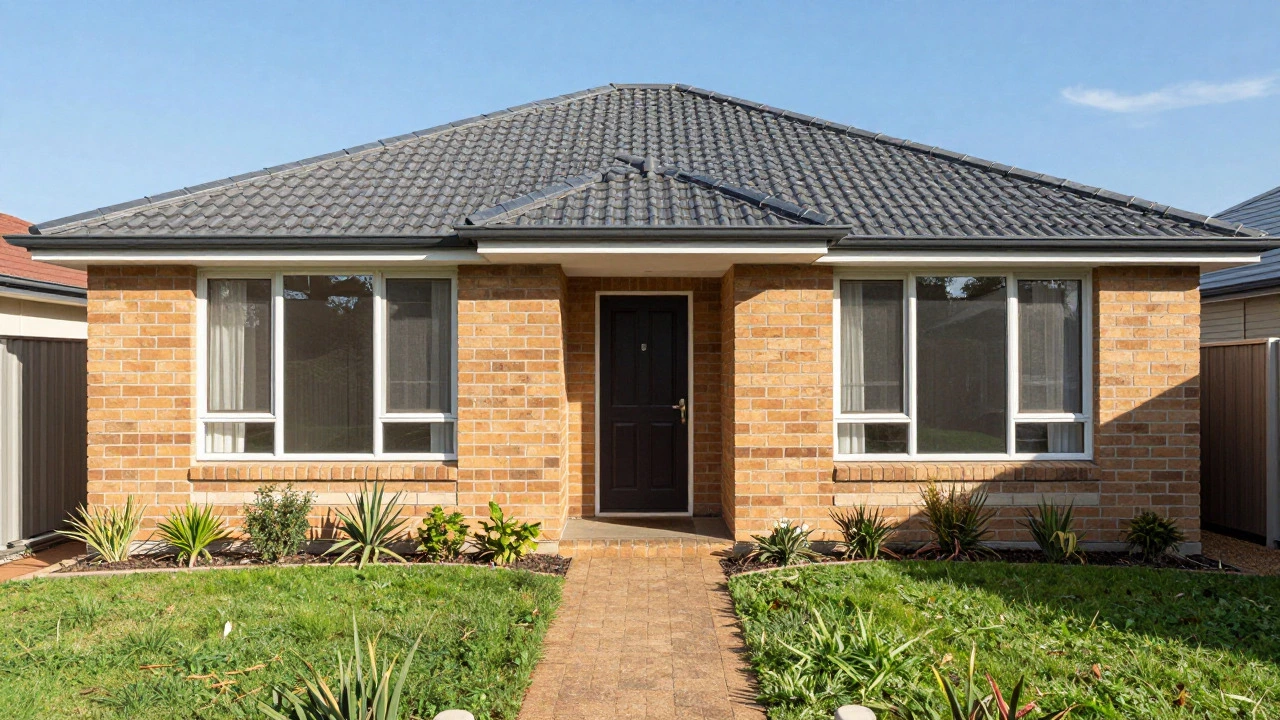
Getting a reliable quote requires more than just plugging your postcode into a website. You need to understand the two distinct parts of your policy-building and contents-and how specific details about your property influence the premium. Whether you're buying a weatherboard house in Redcliffe or a brick-and-tile villa in Toowong, the variables are the same, but the values change. Here is how to navigate the process so you know exactly what you're paying for.
Understand the Two Types of Cover
Before you start collecting data, you must separate your policy into its two core components. In Australia, most comprehensive policies bundle these, but understanding them individually helps you adjust your budget.
- Building Cover: This protects the physical structure of your home. It covers walls, roof, floors, built-in cupboards, and permanent fixtures like plumbing and electrical wiring. If a storm strips off half your roof tiles in Queensland, this is the part that pays for the repair.
- Contents Cover: This protects everything inside the home that isn't permanently attached. Furniture, electronics, clothing, appliances, and personal effects fall under this category. If a burst pipe ruins your sofa and your laptop, contents cover steps in.
You can buy these separately, but bundling them usually saves money. However, if you rent, you likely only need contents cover, as the landlord handles the building. If you own, you need both. Knowing this distinction prevents you from accidentally under-insuring your assets.
Gather the Critical Property Details
Insurers use specific attributes to calculate risk. Vague answers lead to vague quotes, which often result in higher premiums because the insurer assumes the worst. Prepare these details before you click "Get Quote":
- Construction Type: Is your home brick, timber (weatherboard), concrete, or stone? Timber homes generally cost more to insure in bushfire-prone areas due to flammability, while brick is more resilient against wind.
- Roof Material: Tile roofs are standard, but metal or slate roofs have different risk profiles. Older roofs might attract higher premiums or require inspections.
- Age of the Home: New builds often get better rates due to modern safety standards. Homes over 30 years old may face scrutiny regarding wiring and plumbing conditions.
- Location Risks: In Brisbane, we live with flood zones and cyclone paths. Being within 1km of a major waterway significantly impacts your building premium. Check your local council's flood mapping tool to see if your address is in a designated zone.
- Security Features: Do you have an alarm system, smart locks, or security cameras? These can reduce your premium by up to 10% because they lower the likelihood of theft.
Don't guess. Look at your Certificate of Title or recent renovation invoices. Specificity is your best friend here. For example, stating "timber frame" is better than just "wood," and noting "double-glazed windows" adds value to your risk profile.
Accurately Value Your Contents
This is where most people go wrong. Insurers want to know the replacement value, not the resale value. Replacement value means how much it would cost to buy a brand-new equivalent today. Resale value is what you could sell the used item for on eBay.
If you bought a $2,000 TV three years ago, its resale value might be $800. But if it breaks, you need $2,000 to replace it. That is the figure you should use when calculating your contents sum insured. Underestimating this leads to a situation called "average clause" application, where if you claim for a total loss, the payout is reduced proportionally because you were under-insured.
To get an accurate number, do a room-by-room inventory. Use a spreadsheet or a dedicated app. Include:
- Electronics and appliances (kitchen, laundry, entertainment)
- Furniture (sofas, beds, tables, chairs)
- Clothing and footwear (estimate per person, e.g., $1,500-$3,000 depending on lifestyle)
- Sports equipment and hobbies (golf clubs, bicycles, musical instruments)
- Jewelry and valuables (often subject to sub-limits, check your policy)
Aim for a total that feels slightly high rather than low. It’s easier to pay a small extra premium than to face a reduced payout after a disaster.

Compare Quotes Using the Right Metrics
Once you have your data, gather quotes from at least three reputable insurers. Don't just look at the annual premium. Dig deeper into the terms. Here is a comparison of what to look for:
| Factor | What to Check | Why It Matters |
|---|---|---|
| Excess Amount | The amount you pay out of pocket per claim | Higher excess = Lower premium. Choose based on your emergency fund size. |
| Sum Insured Limits | Maximum payout for building and contents | Ensure it matches your replacement costs. Too low = under-insurance risk. |
| Coverage Inclusions | Does it cover flood, cyclone, fire, theft? | Some basic policies exclude natural disasters. Verify inclusions. |
| Claims History Impact | How long does a claim stay on record? | Some insurers penalize claims for 5+ years, others for 2. |
Paying $100 less per year for a policy with a $1,000 excess instead of a $500 excess might save you money now, but if you make one claim, you lose that savings immediately. Balance the premium cost with your financial resilience.
Common Pitfalls to Avoid
Even with good data, mistakes happen. Watch out for these common traps:
- Ignoring Recent Renovations: If you added a deck or renovated the kitchen last year, update your sum insured. Old quotes based on pre-renovation values will leave you short.
- Assuming All Natural Disasters Are Covered: Flood and cyclone cover are sometimes separate add-ons in certain regions. Read the Product Disclosure Statement (PDS) carefully.
- Not Reviewing Annually: Your home's value changes. So does inflation. Re-quote every year to ensure you aren't overpaying for unused coverage or underinsured for new purchases.
- Trusting Verbal Promises: If an agent says "it's covered," get it in writing. The PDS is the legal contract, not the sales pitch.
In Brisbane, seasonal storms can change your risk profile quickly. After a major event, insurers may adjust regional pricing. Staying informed helps you react faster.

When to Get Professional Help
For most standard homes, online quoting tools are sufficient. However, consider using an independent insurance broker if:
- Your home is in a high-risk flood or bushfire zone.
- You have unique features (e.g., a pool, trampoline, or rare artwork).
- You've had multiple claims in the past five years.
- You're unsure about the correct sum insured calculation.
Brokers compare multiple providers on your behalf and can negotiate terms that direct-to-consumer sites might miss. They charge a commission from the insurer, so it usually costs you nothing extra, but their expertise can save you headaches later.
Frequently Asked Questions
How often should I re-quote my home insurance?
You should re-quote annually. Prices fluctuate due to market competition, inflation, and changes in your property's condition. Annual reviews ensure you are getting the best rate and adequate coverage.
Does having a pet affect my home insurance quote?
Generally, no. Unless you keep livestock or exotic animals, pets rarely impact premiums. However, if you have a dog breed considered "high risk" for biting incidents, some insurers may ask about liability cover, though this is uncommon for standard home policies.
What happens if I move house?
Your building cover needs to be updated immediately to reflect the new address and construction type. Contents cover can usually be transferred, but you must notify your insurer within 30 days to avoid gaps in coverage.
Is it cheaper to bundle home and car insurance?
Often, yes. Most major Australian insurers offer multi-policy discounts ranging from 5% to 15%. However, always compare the bundled price against getting separate best-value policies, as sometimes two specialized policies are cheaper than one generalist bundle.
Do I need separate flood cover in Brisbane?
It depends on your specific address. Some comprehensive policies include flood cover automatically, while others treat it as an optional add-on. Always check the Product Disclosure Statement (PDS) to confirm whether flood damage is included in your base policy or requires an extra premium.