
Car Finance Comparison Tool
| Provider | Monthly Payment | Total Interest Paid | Total Cost |
|---|
Best Value Option
offers the lowest total cost.
vs. highest cost option
Why This Matters
As highlighted in the article, always compare the Total Amount Payable, not just the monthly payment. A lower monthly payment over a longer term often results in significantly higher total interest costs. Use this tool to negotiate with dealerships by showing them external quotes.
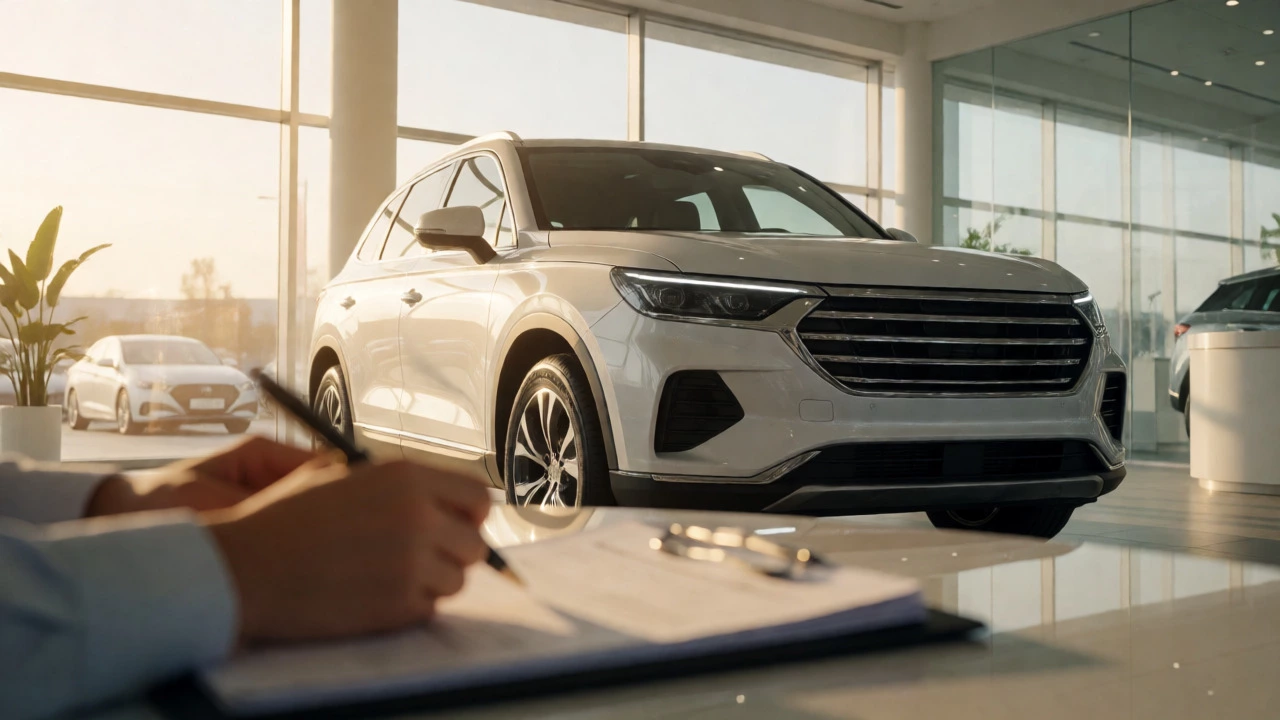
You walk into a dealership, pick out the car you want, and the salesperson smiles. "We can sort the finance for you," they say. It feels easy. Convenient. But here is the catch: that convenience often comes with a price tag you don't see until you sign the paperwork. Choosing who finances your car is not just about getting approved; it is about deciding who keeps more of your money over the next five years.
Most people treat car finance like a single product. They think there is one way to pay for a car on credit. That is wrong. There are at least four major players in this game, each with different motives, rates, and hidden fees. Your job is to figure out which player plays fair with your wallet.
The Dealership Trap (And When It Works)
Dealerships love to offer finance because they get a commission from the lender when you sign up. This is called a "commission override." If you take their loan, they make extra profit on top of the car price. Does this mean dealership finance is always bad? No. Sometimes, manufacturers run promotional rates-like 0% or 1.99%-to move inventory. In those specific cases, the dealership is unbeatable because banks cannot match subsidized rates.
But if the rate is anything above prime market levels, ask yourself: why would they offer me a deal if I wasn't paying for it somewhere else? Often, the answer is a higher interest rate or inflated car price. Always compare the total cost of credit, not just the monthly payment. A lower monthly payment stretched over seven years might save you cash flow but cost you thousands in interest.
Banks and Credit Unions: The Traditional Route
Banks are usually the first place people look after dealerships. Big national banks offer competitive rates, especially if you already have a mortgage or savings account with them. They value relationship customers. However, big banks can be slow. Approval might take days, and they often require strict documentation.
Credit unions are smaller, member-owned cooperatives. They are less common in some regions but powerful where they exist. Because they are not-for-profit, their goal isn't shareholder returns-it's member benefit. This often translates to lower interest rates and more flexible terms for members with average credit scores. If you are eligible to join a local credit union, check their rates before talking to a big bank. You might find a better deal simply because they aren't trying to squeeze every cent out of you.

Online Lenders: Speed vs. Scrutiny
Fintech companies and online-only lenders have disrupted the market. They use algorithms to assess risk quickly, often approving loans in minutes. This speed is great if you need a car immediately. But speed has a downside: these lenders charge for the convenience. Their interest rates are typically higher than traditional banks unless you have an exceptional credit score.
Be careful with "instant approval" offers. Pre-approval is not final approval. Until the funds are disbursed, the lender can still change terms based on new information. Also, read the fine print on fees. Some online lenders charge origination fees upfront, which reduces the actual cash you receive for the car.
| Provider Type | Typical Interest Rate | Approval Speed | Best For | Hidden Risks |
|---|---|---|---|---|
| Dealership | Variable (often high) | Same Day | Promotional 0% deals | Commission markups, inflated car prices |
| Big Bank | Competitive | 3-7 Days | Existing customers, good credit | Rigid criteria, slower process |
| Credit Union | Lowest Available | 1-5 Days | Members, average credit | Limited availability, membership requirements |
| Online Lender | Moderate to High | Minutes to Hours | Urgent needs, tech-savvy users | Upfront fees, variable rates |
How to Compare Like a Pro
Don't just look at the APR (Annual Percentage Rate). Look at the Total Amount Payable. This number includes the principal plus all interest and fees. If Dealer A offers a $30,000 car with $35,000 total payable, and Bank B offers the same car for $34,500 total payable, Bank B wins-even if the monthly payments look similar.
Here is a quick checklist to run through before signing:
- Check your credit report: Know your score before applying. Multiple hard inquiries in a short time can drop your score.
- Get pre-approved: Walk into the dealership knowing exactly what you can afford and what rate you qualify for elsewhere. This gives you negotiating power.
- Ask about early settlement: Can you pay off the loan early without a penalty? Life happens. You might sell the car in two years instead of five.
- Read the insurance clause: Some lenders require comprehensive insurance with specific coverage levels. Factor this into your budget.

Private Sellers vs. Dealerships
If you buy from a private seller, you almost never get dealer finance. You will need a direct loan from a bank, credit union, or online lender. This is actually an advantage. Private sellers rarely try to upsell you on warranties or service plans. You control the entire transaction. Just ensure the title transfer is clean and the car has no outstanding liens. A lien means someone else still owns part of the car, and you could end up paying for a vehicle that gets repossessed by the previous owner's lender.
The Verdict
There is no single "best" lender for everyone. It depends on your credit profile, how fast you need the car, and whether you are buying new or used.
If you have excellent credit and are buying new, check manufacturer promotions first. If you have average credit, start with a credit union or your current bank. If you need the car yesterday and don't mind paying a premium, an online lender works. Avoid taking the first offer from the dealership without comparing it to at least two external quotes. The salesperson wants to close the deal today. You should want to save money for the next five years.
Is it better to finance through the dealership or a bank?
It depends on the interest rate. Dealerships sometimes offer subsidized low-interest rates (like 0%) that banks cannot match. However, for standard rates, banks and credit unions often provide lower total costs because they do not earn commissions from the sale. Always compare the total amount payable, not just the monthly payment.
Does financing a car hurt my credit score?
Applying for finance triggers a hard inquiry, which can temporarily lower your score by a few points. However, making consistent, on-time payments over time will improve your credit mix and history, potentially boosting your score in the long run.
Can I refinance my car loan later?
Yes, many borrowers refinance if interest rates drop or their credit score improves. Check your original loan agreement for prepayment penalties. If there are no fees, refinancing to a lower rate can save significant interest over the life of the loan.
What is the difference between APR and interest rate?
The interest rate is the cost of borrowing the principal amount. The APR (Annual Percentage Rate) includes the interest rate plus any mandatory fees, such as origination fees or documentation charges. APR gives a more accurate picture of the true cost of the loan.
Should I put a large down payment on a financed car?
A larger down payment reduces the amount you borrow, lowering both your monthly payments and total interest paid. It also helps prevent being "upside down" on the loan, where you owe more than the car is worth due to rapid depreciation.