
Pension Asset-to-Income Simulator
Sustainability Analysis
The "Bucket Strategy" Asset Allocation
Based on your desired income, here is how you would split your asset to balance stability and growth:
To get a clear picture, we need to define our terms. In the world of accounting and personal finance, an Asset is something you own that has value-like a house, a gold bar, or a stock portfolio. Income, on the other hand, is the flow of money coming in over a period of time, like a salary or rent from a tenant. Your pension asset vs income distinction changes the moment you stop working and start collecting.
The Quick Breakdown
- During your working years: Your pension is primarily an asset. It's a pot of money growing in the background.
- During retirement: Your pension transforms into income. It's the monthly stream that pays for your groceries and electricity.
- The "Lump Sum" exception: If you take a one-time payout, you've essentially converted a future income stream back into a liquid asset.
When Your Pension Acts as an Asset
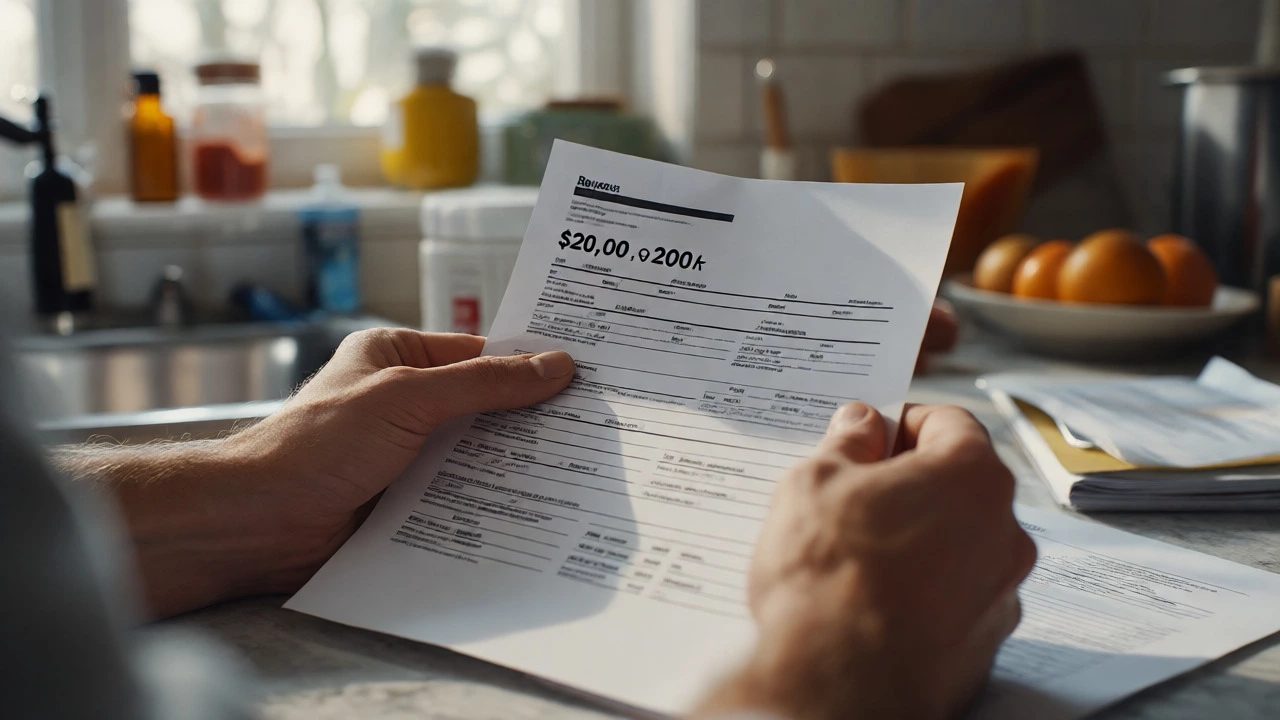
While you're still climbing the career ladder, your pension is effectively a financial reservoir. If you have a Defined Contribution Plan, such as a 401(k) in the US or a SIPP in the UK, the asset nature is obvious. You can see the balance. If the account says $200,000, that is a tangible asset. You own the units of the funds inside that account.
Even with a Defined Benefit Plan (often called a "final salary pension"), the arrangement is still an asset, even if it's not a balance you can withdraw tomorrow. In this case, the asset is a legal promise from your employer to pay you. For the company, the pension obligation is a liability; for you, the right to receive those payments is an asset on your personal balance sheet.
Why does this matter? Because assets can be used for leverage. If you're applying for a loan or calculating your net worth, the value of your pension pot counts toward your total wealth. It provides a safety net that allows you to take other risks, like investing in a business or buying a home, knowing that your "future self" is already taken care of.
The Shift to Retirement Income
The magic happens at the transition point. Once you hit retirement age and trigger your pension, the entity changes form. It stops being a growing pile of wealth and becomes Retirement Income. This is a critical distinction because income is what you use to budget your daily life.
Think of it like a fruit tree. While the tree is growing, the tree itself is the asset. Once the tree starts producing apples, those apples are your income. You don't eat the tree; you eat the fruit. If you start spending the "tree" (the principal) too quickly, you'll run out of fruit before the season ends.
For those with a monthly annuity, the income is guaranteed. You no longer care about the "asset value" of the fund as much as you care about the purchasing power of that monthly check. However, if you have a drawdown pension, you are essentially managing an asset to create your own income. You decide how much to take out each year, meaning you're constantly balancing the asset's growth against your income needs.
| Feature | As an Asset (Accumulation Phase) | As Income (Decumulation Phase) |
|---|---|---|
| Primary Goal | Growth and accumulation | Cash flow and sustainability |
| Measurement | Total balance / Net worth | Monthly or annual payout |
| Risk Factor | Market volatility / Inflation | Longevity risk (outliving money) |
| Tax Treatment | Often tax-deferred growth | Taxed as regular income (usually) |

How Different Pension Types Change the Equation
Not all pensions behave the same way. Depending on the structure, the line between asset and income can be blurry. Let's look at the most common setups.
Defined Contribution Plans
These are the most flexible. Since you have a specific pot of money, it is very clearly an asset. You can choose to keep it as an asset by leaving it invested, or convert it to income through a systematic withdrawal plan. The risk here is entirely on you; if the market crashes, your asset value drops, and your potential income shrinks.
Defined Benefit Plans
These are more like an insurance contract. You don't have a "pot" in the traditional sense. Instead, you have a guaranteed income stream based on your years of service and salary. While the *right* to this income is an asset, you cannot easily liquidate it. You can't suddenly decide to take $50,000 out of a final salary pension to buy a boat; it is designed strictly as future income.
Hybrid Pensions
Some modern plans offer a mix. You might have a guaranteed base income (the income element) and a separate investment pot (the asset element). This gives you the security of a paycheck with the flexibility of a portfolio.
The Impact on Tax and Legal Planning
Whether you view your pension as an asset or income has massive implications for how you handle the taxman. In many regions, the growth of a pension asset is tax-free or tax-deferred. This is a huge advantage, as it allows your money to compound much faster than it would in a standard savings account.
However, the moment that asset becomes income, the tax rules kick in. For example, in the UK, you can often take 25% of your pension asset as a tax-free lump sum. The remaining 75% is then treated as taxable income. If you take too much income in a single year, you might push yourself into a higher tax bracket, effectively paying a "success tax" on your own savings.
From a legal perspective, assets are what get divided or passed on. If you have a large pension asset and you pass away, that asset can often be inherited by your beneficiaries. But if you have a pension that is strictly a lifetime income stream (like some annuities), that income stream might simply vanish when you do, leaving nothing for your heirs.

Common Pitfalls in Pension Perception
One of the biggest mistakes people make is treating their pension asset as "spending money" too early. When you see a large balance, it's easy to feel wealthy. But that number is deceptive. A $500,000 asset doesn't mean you have $500,000 to spend; it means you have a tool to generate, say, $20,000 a year for 25 years.
Another trap is ignoring inflation. If your pension provides a fixed income of $2,000 a month, that feels great today. But in 20 years, that same $2,000 might only buy half as many groceries. This is why maintaining a portion of your retirement funds as a growing asset (invested in stocks or property) is vital-it provides a hedge against the rising cost of living.
Finally, be wary of "income obsession." Some people convert their entire asset into an annuity for the peace of mind of a guaranteed check. While this eliminates the risk of the market crashing, it also removes the liquidity. If you suddenly need $10,000 for a medical emergency or a roof repair, you can't "un-buy" an annuity to get your asset back.
Strategies for Balancing Assets and Income
The goal is to move from the accumulation phase (building the asset) to the distribution phase (creating the income) without breaking your financial back. A smart approach often involves a "bucket strategy."
- The Cash Bucket (Immediate Income): Keep 1-2 years of living expenses in a liquid asset (savings account). This is your immediate income source.
- The Stability Bucket (Mid-term Income): Put 3-7 years of expenses in lower-risk assets like bonds. This refills the cash bucket.
- The Growth Bucket (Long-term Asset): Keep the rest in equities. This remains an asset that grows over time, ensuring your income doesn't dry up in your 80s.
By structuring your pension this way, you aren't just choosing between an asset or income-you're using your assets to fuel a sustainable income stream.
Can I count my pension as an asset on a loan application?
Yes, typically. Lenders look at your total net worth to determine your financial stability. A pension pot (Defined Contribution) is a clear asset. A Defined Benefit pension is also considered an asset, though lenders may value it differently since you can't liquidate it easily.
Does taking a lump sum change my pension from income to asset?
Exactly. By taking a lump sum, you are extracting a portion of the pension asset and moving it into a liquid asset (like cash in a bank account). This increases your current assets but reduces the amount of future income the pension can generate.
Which is better: a guaranteed income or a flexible asset?
It depends on your risk tolerance. Guaranteed income (annuities) provides peace of mind and eliminates the fear of running out of money. Flexible assets (drawdown) allow for growth and can be passed to heirs, but they carry the risk that a market crash could deplete your funds.
How does inflation affect the asset vs income relationship?
Inflation erodes the value of fixed income. If your pension pays a set amount, your standard of living drops. Maintaining some funds as assets invested in the stock market usually helps combat this, as asset values and dividends often rise along with inflation.
Is my employer's pension promise actually an asset?
Yes, in economic terms, it is a "contingent asset." You have a legal right to future payments. However, the reliability of this asset depends on the solvency of your employer or the pension fund's health.