$5,000 Personal Loan Estimator
Your Estimated Results
With good credit, you'll find dozens of options with instant approval.
Credit Score Impact Guide
| Credit Tier | Score Range | APR Range | Approval Difficulty |
|---|---|---|---|
| Excellent | 740+ | Below 6% | Very Easy |
| Good | 670-739 | 8% - 15% | Easy |
| Fair | 580-669 | 18% - 25% | Moderate |
| Poor | Below 580 | 25%+ | Difficult |
Walking into a bank or clicking "Apply Now" on a lending site feels like a gamble if you don’t know the rules. You need $5,000. Maybe it’s for a burst pipe, a wedding deposit, or consolidating high-interest credit card debt. The question isn’t just whether you *can* get the money; it’s how much friction you’ll face getting it. In 2026, with interest rates stabilizing after years of volatility, lenders are pickier than ever. But $5,000 is considered a small-ticket item in the lending world. That makes it easier to approve than a $50,000 home renovation loan, but harder than a $500 emergency cash advance.
The difficulty of securing this loan depends entirely on three factors: your credit profile, your income stability, and the lender type you choose. If you have good credit, it’s as easy as buying groceries online. If your credit is bruised, it’s a hurdle course. Let’s break down exactly what lenders look at and how you can stack the odds in your favor.
The Credit Score Threshold: Where Do You Stand?
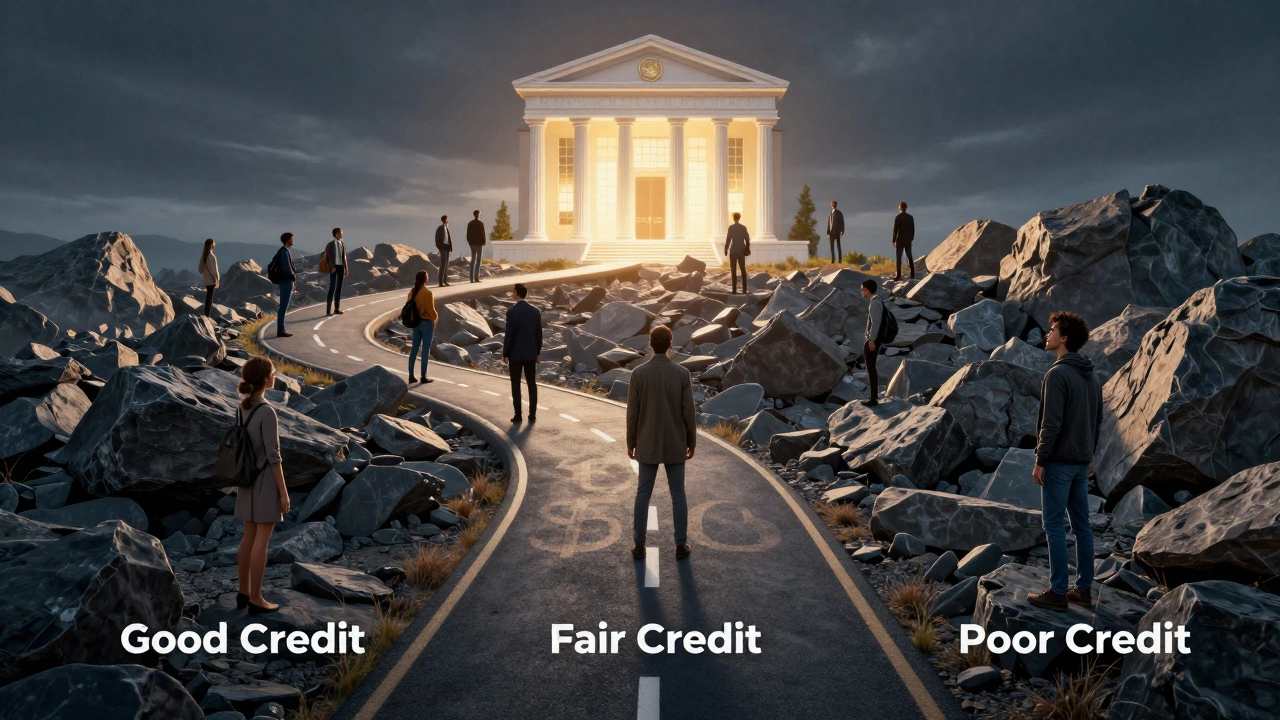
Your credit score is the first gatekeeper. Lenders use it to predict the likelihood of you paying back the loan. For a $5,000 personal loan, the approval process varies significantly based on your FICO or VantageScore rating.
- Fair Credit (580-669): You will likely be approved, but the Annual Percentage Rate (APR) might sting. Expect rates between 18% and 25%. Online lenders specializing in subprime borrowers are your best bet here.
- Good Credit (670-739): This is the sweet spot. You’ll find dozens of options with APRs ranging from 8% to 15%. Approval is usually instant or within 24 hours.
- Excellent Credit (740+): You have the leverage. Rates can drop below 6%, and some lenders offer fee waivers. You can negotiate terms.
- Poor Credit (<580): Traditional banks will say no. You’ll need to look at secured loans, credit union programs, or peer-to-peer lending platforms that weigh factors beyond just the score.
If your score is on the border, don’t apply everywhere. Each hard inquiry drops your score by a few points. Apply to one lender, check the pre-qualification rate (which uses a soft pull), and then decide if it’s worth the hit.
Income and Debt-to-Income Ratio: The Hidden Hurdle
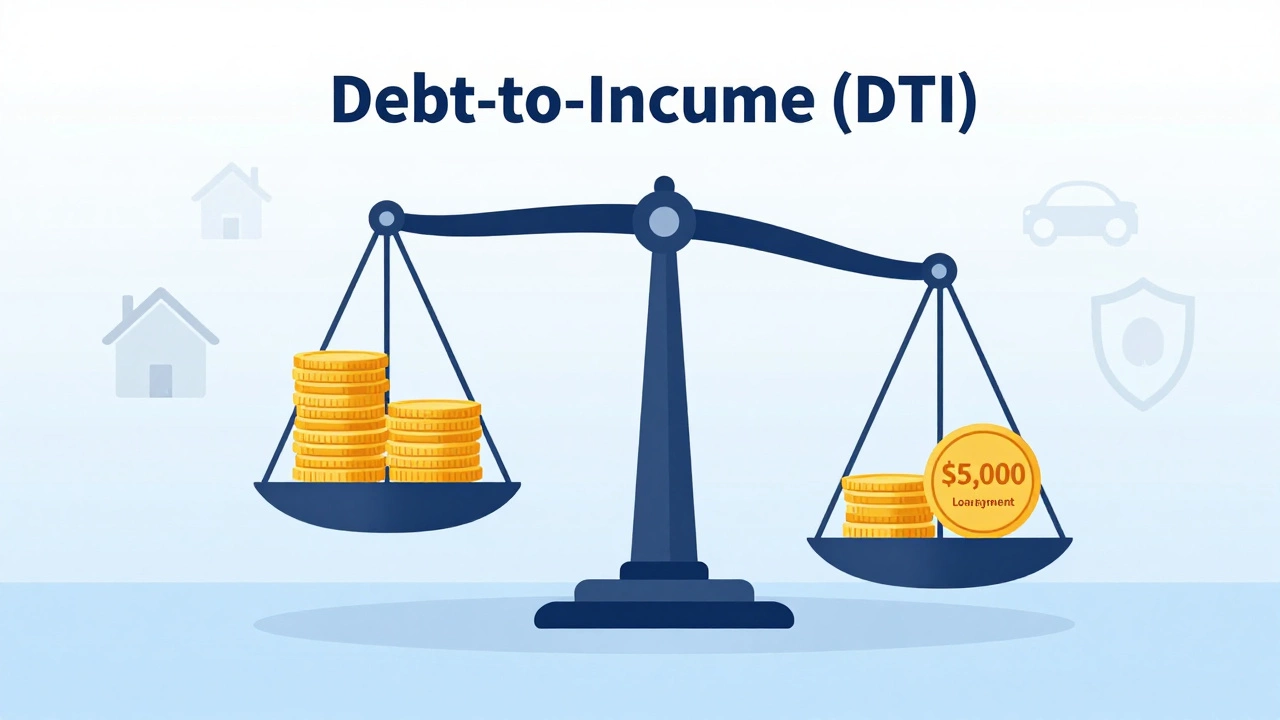
A high credit score doesn’t matter if you can’t afford the monthly payment. Lenders calculate your Debt-to-Income ratio (DTI). This measures how much of your gross monthly income goes toward existing debts.
For a $5,000 loan, the math is simple. If you take a 3-year term at 10% APR, your monthly payment is roughly $162. Most lenders want your total DTI to stay below 40%. Here is how that looks:
| Gross Monthly Income | Existing Debt Payments | New Loan Payment | Total DTI | Approval Likelihood |
|---|---|---|---|---|
| $4,000 | $500 | $162 | 16.5% | Very High |
| $3,000 | $800 | $162 | 32% | High |
| $2,500 | $900 | $162 | 42.5% | Low / Risky |
If your DTI is too high, lenders worry you’re overextended. To fix this before applying, pay down credit card balances or consolidate other debts. Even a small reduction in existing payments can push your DTI under the threshold.
Where to Look: Banks vs. Credit Unions vs. Online Lenders
Not all lenders are created equal. Choosing the wrong channel is the most common reason people get rejected unnecessarily.
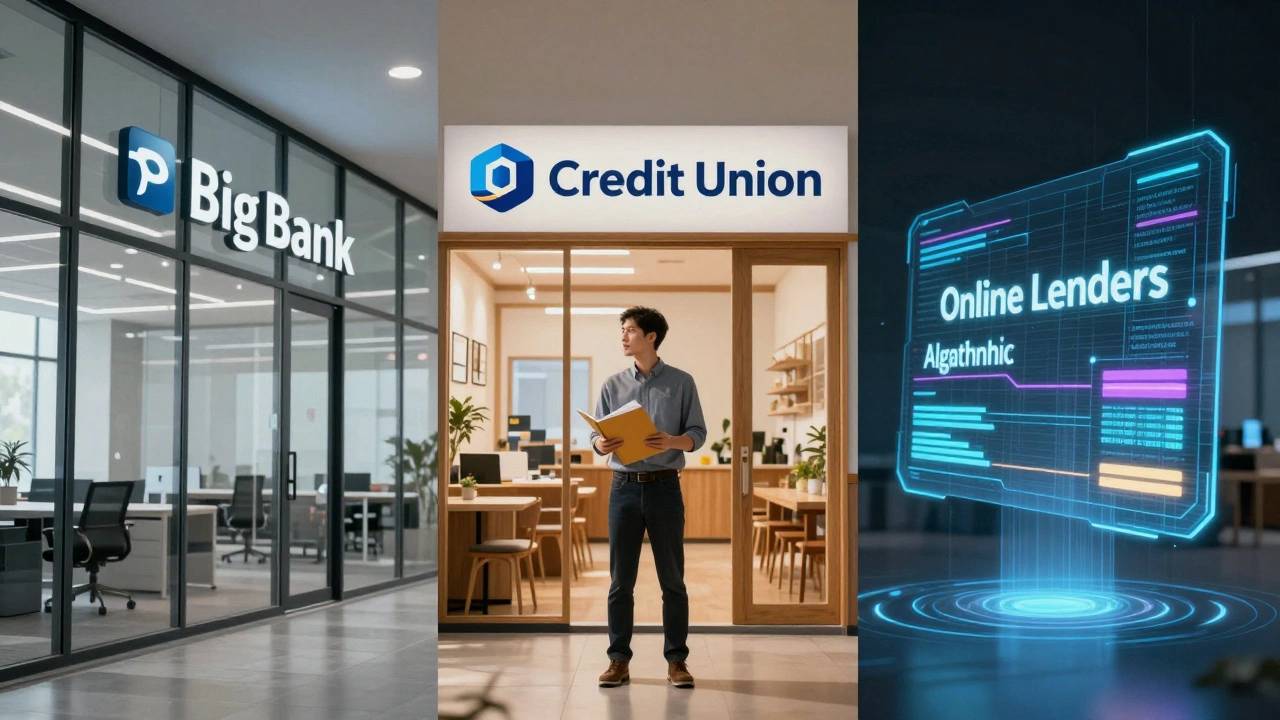
Big Banks: They prefer existing customers. If you already have a checking account with Chase, Bank of America, or Wells Fargo, you have an advantage. They see your direct deposits and savings habits. However, their criteria are rigid. If you miss one box, you’re out.
Credit Unions: These member-owned nonprofits often have more flexible guidelines. They may consider "character references" or local employment history. Joining a credit union takes time, but if you need a $5,000 loan and have fair credit, this is often the cheapest route.
Online Lenders: Companies like SoFi, LightStream, or Upstart use algorithms rather than human underwriters. They move fast-sometimes funding same-day. They are great for good-to-excellent credit but can charge higher fees for those with blemished histories.
The Application Process: What Documents Do You Need?
To make the process smooth, gather these documents before you start. Missing paperwork causes delays, which can lead to reconsideration or rejection.
- Government-Issued ID: Driver’s license or passport.
- Proof of Income: Recent pay stubs (last 30 days) or tax returns if self-employed.
- Bank Statements: Last two months. Lenders want to see consistent cash flow and no overdrafts.
- Employment Verification: Some lenders require you to authorize them to contact your employer.
Self-employed individuals face a slightly harder path. You’ll need two years of tax returns and possibly profit-and-loss statements. Lenders view irregular income as riskier, so they may ask for a larger reserve fund in your bank account.
Common Reasons for Rejection (And How to Avoid Them)
Getting denied hurts, but understanding why helps you bounce back faster. Here are the top culprits:
- Recent Late Payments: One late payment six months ago might not kill your application, but three in the last year will. Check your credit report for errors before applying.
- Too Many New Accounts: Opening five credit cards in the last six months signals financial distress. Wait 6-12 months if possible.
- Unstable Employment: Job hopping every six months raises red flags. Lenders prefer at least two years at the current job or in the same industry.
- Insufficient Income: If the monthly payment exceeds 10-15% of your take-home pay, you’re likely to be declined.
If you get rejected, ask for the specific reason. Under federal law, lenders must provide adverse action notices explaining why you were denied. Use this info to fix the issue and reapply later.
Alternatives If You Can’t Get a Personal Loan
If traditional avenues close, don’t panic. There are other ways to access $5,000 without destroying your credit further.
0% Balance Transfer Credit Cards: If you have decent credit, transfer high-interest debt to a card with a 0% introductory APR for 12-18 months. Just pay off the balance before the promo period ends.
Secured Loans: Offer collateral, such as a certificate of deposit (CD) or even a car title. The risk to the lender is lower, so approval is easier and rates are better. Be careful: you lose the asset if you default.
Payment Plans: If the $5,000 is for medical bills or taxes, ask the provider for a payment plan. Hospitals and the IRS often allow interest-free installments. This avoids debt entirely.
Is a $5,000 Loan Worth It?
Before signing anything, run the numbers. If you borrow $5,000 at 15% APR for three years, you’ll pay about $1,100 in interest. That’s $6,100 total. Ask yourself: Does this expense generate value? Is it an emergency? Or can you save up using a high-yield savings account?
Personal loans are tools, not magic wands. Used wisely, they consolidate chaos into a single, manageable payment. Used poorly, they trap you in a cycle of debt. Know your numbers, shop around, and never accept the first offer you see.
Can I get a $5,000 loan with bad credit?
Yes, but it will be difficult and expensive. Lenders specializing in subprime loans may approve you, but expect APRs above 20%. Consider a co-signer with good credit or a secured loan to improve your chances and lower the rate.
How long does it take to get approved for a $5,000 personal loan?
Online lenders often approve and fund loans within 24 to 48 hours. Traditional banks and credit unions may take 3 to 5 business days due to manual underwriting processes. Pre-qualification checks are instant and do not affect your credit score.
What is the average interest rate for a $5,000 personal loan in 2026?
Rates vary widely based on creditworthiness. Borrowers with excellent credit may see rates between 6% and 10%, while those with fair credit might face rates between 15% and 25%. Always look at the APR, which includes fees, not just the interest rate.
Do I need a co-signer for a $5,000 loan?
You do not strictly need a co-signer if you have good credit and stable income. However, if your credit is poor or your income is low, a co-signer with strong credit can help you get approved and secure a lower interest rate.
Can I use a personal loan for any purpose?
Generally, yes. Personal loans are unsecured and flexible. You can use them for debt consolidation, home improvements, medical bills, or major purchases. However, you cannot use them for illegal activities or speculative investments like gambling.