
Student Loan Affordability Calculator
Estimate your monthly payments and assess debt-to-income risk based on 2026 average student loan data.
Graduating with a degree feels like a victory lap. You’ve survived late-night study sessions, endless assignments, and the occasional existential crisis about your major. But when you look at your financial statement post-graduation, that victory might feel a little hollow. The number staring back at you isn’t just a bill; it’s a long-term commitment that will shape your housing choices, career moves, and retirement plans for the next decade.
If you are wondering exactly how much you should expect to owe, the short answer is: it depends heavily on where you went to school and what you studied. However, the data provides a clear baseline. As of 2026, the average total student loan debt for a borrower who has completed a bachelor's degree is approximately $37,981. That figure sounds manageable until you break it down into monthly payments over ten or twenty years. It represents a significant chunk of your early-career income, often rivaling your rent or car payment.
Understanding this number isn't just about knowing a statistic. It’s about preparing yourself for the reality of repayment. Whether you are currently in college, planning to go, or already drowning in paperwork, knowing the landscape helps you negotiate better terms, choose smarter majors, and avoid the traps that turn manageable debt into crushing financial stress.
The Breakdown: Public vs. Private Institutions
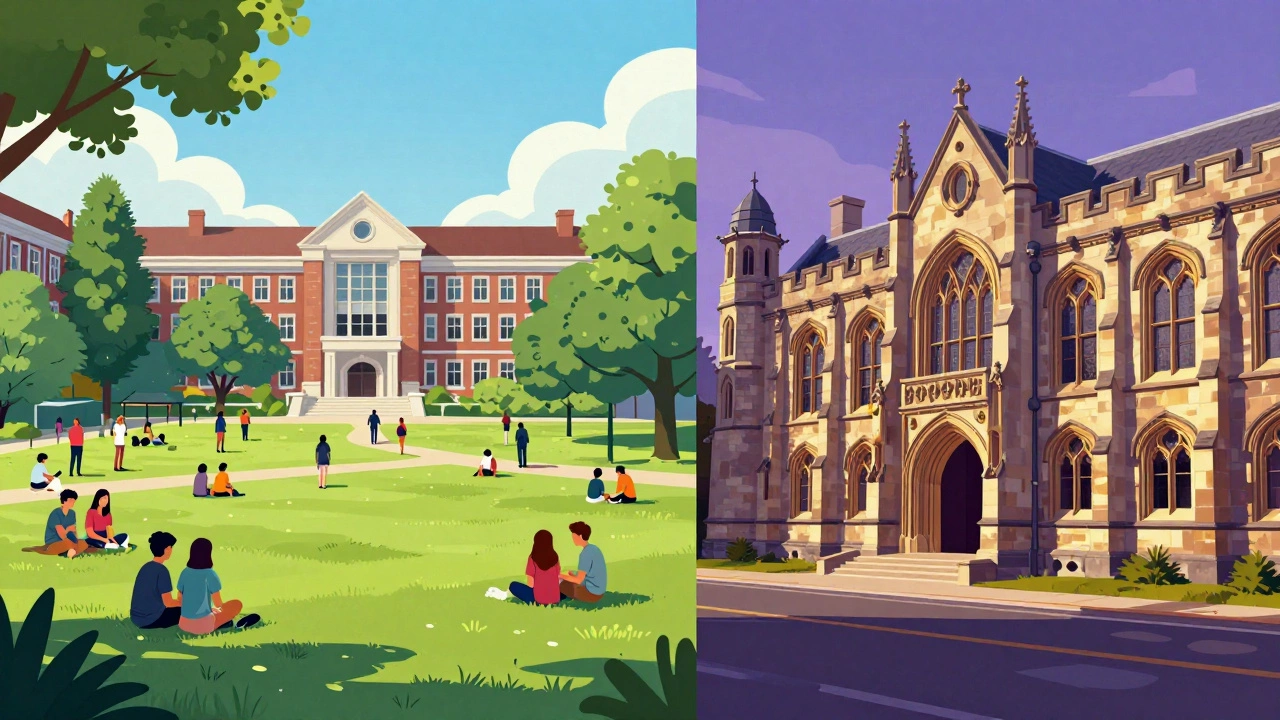
The single biggest factor driving up your final balance is the type of institution you attend. Not all degrees are created equal when it comes to price tags. The gap between public and private schools has widened significantly in recent years, creating two very different financial realities for graduates.
Students who attend public four-year institutions typically graduate with an average debt load of around $28,500. This includes both in-state and out-of-state tuition averages, though in-state students often see figures closer to $20,000-$25,000. These schools are subsidized by state governments, which keeps tuition lower, but they still charge fees, room, and board that add up quickly.
In contrast, graduates from private nonprofit colleges carry an average debt burden of nearly $45,000. Some elite private universities have median debts exceeding $60,000. While these schools often offer generous need-based aid, many students still fill the gap with loans. If you are considering a private school, you must calculate the net price after grants and scholarships, not just the sticker price. A high sticker price doesn't always mean high debt if the endowment is large enough to cover your costs.
| Institution Type | Average Total Debt | Typical Monthly Payment (10-Year Standard) |
|---|---|---|
| Public Four-Year | $28,500 | $310 |
| Private Nonprofit | $45,000 | $490 |
| For-Profit Colleges | $40,000+ | $435+ |
For-profit colleges present a third, riskier category. While their average debt hovers around $40,000, the return on investment is often lower than public or private nonprofits. Many students leave these programs with high debt and degrees that employers do not value as highly, making repayment even more difficult. Always verify accreditation and job placement rates before signing any promissory notes.
Why Your Major Matters More Than You Think
You might assume that everyone in the same graduating class owes roughly the same amount. That’s a dangerous assumption. Your field of study influences not only how much you borrow but also your ability to repay it. High-earning majors like engineering, computer science, and nursing tend to have higher average debt levels because students in these fields often pursue longer programs or specialized certifications. However, their starting salaries usually allow them to pay off loans within five to seven years.
Conversely, majors in the humanities, arts, and social sciences often have lower initial debt loads-sometimes averaging $25,000 or less-but also lower starting salaries. This creates a "debt-to-income" squeeze. You might owe less money, but that money weighs heavier on your budget. A $25,000 debt is manageable if you earn $70,000 a year. It becomes crippling if you earn $40,000.
This dynamic explains why some graduates with smaller balances struggle more than those with larger ones. When evaluating your education path, look at the median salary for entry-level positions in your chosen field. Divide your expected debt by that salary. If the ratio exceeds 1.5, you are entering a high-risk financial zone. You may need to consider part-time work during school, cheaper housing options, or alternative funding sources to keep that ratio healthy.
Federal vs. Private Loans: The Hidden Cost Difference
Not all debt is created equal. The source of your loan determines your interest rate, repayment flexibility, and forgiveness options. In 2026, the majority of borrowers rely on federal student loans, which come with fixed interest rates set by Congress and built-in protections like income-driven repayment plans and potential loan forgiveness. These loans are the gold standard for borrowing because they adapt to your life circumstances. If you lose your job or take a career break, your payments can drop to as low as $0 without penalty.
Private student loans, on the other hand, operate like credit cards or mortgages. They are issued by banks, credit unions, and online lenders. Their interest rates can be variable or fixed, but they rarely offer income-based relief. If you miss a payment, there is no safety net. Defaulting on a private loan can lead to wage garnishment and severe credit damage faster than federal defaults.
The average borrower uses a mix of both. Federal loans usually cover about 70% of the cost, while private loans fill the remaining gap. However, taking out private loans should be a last resort. Before applying for a private loan, exhaust every other option: work-study programs, employer tuition assistance, and merit-based scholarships. Private loans lack the discharge options available in bankruptcy, making them a permanent lien on your future earnings.

Strategies to Keep Your Debt Manageable
Knowing the average debt figures is useful, but controlling your personal outcome requires action. Here are practical steps to ensure your loan balance stays within reasonable limits:
- Maximize Free Money First: Grants and scholarships do not need to be repaid. Apply for FAFSA (Free Application for Federal Student Aid) every year, even if you think you won’t qualify. Rules change, and unexpected eligibility can pop up due to family financial changes.
- Live Like a Student: Room and board often exceed tuition costs. Cooking at home, sharing textbooks, and choosing modest housing can save thousands annually. That savings directly reduces the principal amount you need to borrow.
- Pay Interest While in School: For unsubsidized federal loans and all private loans, interest accrues while you are studying. Making small interest-only payments during semesters prevents capitalization, where unpaid interest gets added to your principal balance, increasing your total debt.
- Choose the Right Repayment Plan: After graduation, don’t stick with the default 10-year standard plan if it strains your budget. Explore Income-Based Repayment (IBR) or Pay As You Earn (PAYE) plans. These cap your monthly payment at a percentage of your discretionary income, protecting you from unaffordable bills.
Another critical strategy is refinancing. Once you have established a stable credit history and a steady income, you might qualify for a lower interest rate through a private lender. Refinancing can reduce your monthly payment and total interest paid. However, beware: refinancing federal loans into a private loan strips away your federal protections. Only refinance if you are confident in your job security and understand the trade-offs.
The Long-Term Impact on Your Financial Life
Student loan debt doesn’t disappear after graduation; it shadows your major financial decisions. Studies show that borrowers with high student debt delay buying homes by an average of three to five years. They also contribute less to retirement accounts, compounding the loss over decades. A $38,000 debt at 5% interest requires roughly $400 per month to pay off in ten years. That $400 could otherwise be invested in a Roth IRA, growing tax-free for thirty years.
This opportunity cost is real. Every dollar paid toward loan principal is a dollar not working for your future self. To mitigate this, prioritize high-interest debt first (the avalanche method) or gain psychological momentum by paying off smaller balances first (the snowball method). Whichever method you choose, consistency is key. Automate your payments to avoid late fees and build credit simultaneously.
Remember, the average is just a benchmark. Your journey is unique. By understanding the numbers, comparing your options critically, and acting proactively, you can transform student debt from a burden into a manageable stepping stone toward your career goals. The goal isn’t necessarily to be debt-free immediately, but to ensure your debt never controls your life.
Is $30,000 in student loan debt considered bad?
No, $30,000 is close to the national average for bachelor's degree holders. Whether it is "bad" depends on your expected starting salary. If your first job pays $50,000 or more, $30,000 is manageable with standard repayment plans. If your starting salary is below $40,000, you may need income-driven repayment options to stay comfortable.
How long does it take to pay off average student loans?
Most borrowers aim to pay off their loans within 10 years using the standard repayment plan. However, many extend this period to 15 or 20 years through income-driven plans to lower monthly payments. On average, it takes borrowers about 20 years to fully clear their debt, though this varies widely based on income growth and extra payments.
Should I refinance my federal student loans?
Refinancing can lower your interest rate, but it converts federal loans into private loans, meaning you lose access to forgiveness programs and income-driven repayment. Only refinance if you have a stable, high income and do not anticipate needing federal protections in the future.
Does student loan debt affect my credit score?
Yes, student loans make up a significant portion of most young adults' credit histories. Making on-time payments boosts your score, while missed payments or defaults severely damage it. Lenders view consistent loan repayment as a sign of financial responsibility.
What happens if I can't afford my student loan payments?
If you are struggling, apply for deferment or forbearance temporarily, or switch to an income-driven repayment plan for federal loans. For private loans, contact your servicer to discuss hardship options. Ignoring the problem leads to default, which harms your credit and can result in wage garnishment.