Home Insurance Underinsurance Calculator
Property Details
Analysis Results
You bought your house five years ago for $600,000. You’ve done some renovations, added a deck, and upgraded the kitchen. Then, disaster strikes-a bushfire or severe storm destroys everything. If your insurance policy is based on what you paid for the house, you’re going to be in serious trouble. That’s where replacement cost price comes in. It’s not about the market value of your land or the nostalgia of your memories; it’s the cold, hard cash needed to rebuild your home from scratch using modern materials and labor rates.
Understanding this concept is the single most important thing you can do to protect your biggest asset. Most people confuse 'market value' with 'rebuilding cost,' and that mistake leads to underinsurance. When a claim happens, being underinsured means you pay the difference out of pocket, often tens of thousands of dollars more than expected.
The Core Difference: Market Value vs. Replacement Cost
To understand replacement cost, you first have to unlearn how real estate works. In property sales, value is driven by location, land size, and demand. In insurance, none of that matters. Insurers don’t care if your house is in a prime Brisbane suburb or a quiet country town. They only care about the physical structure.
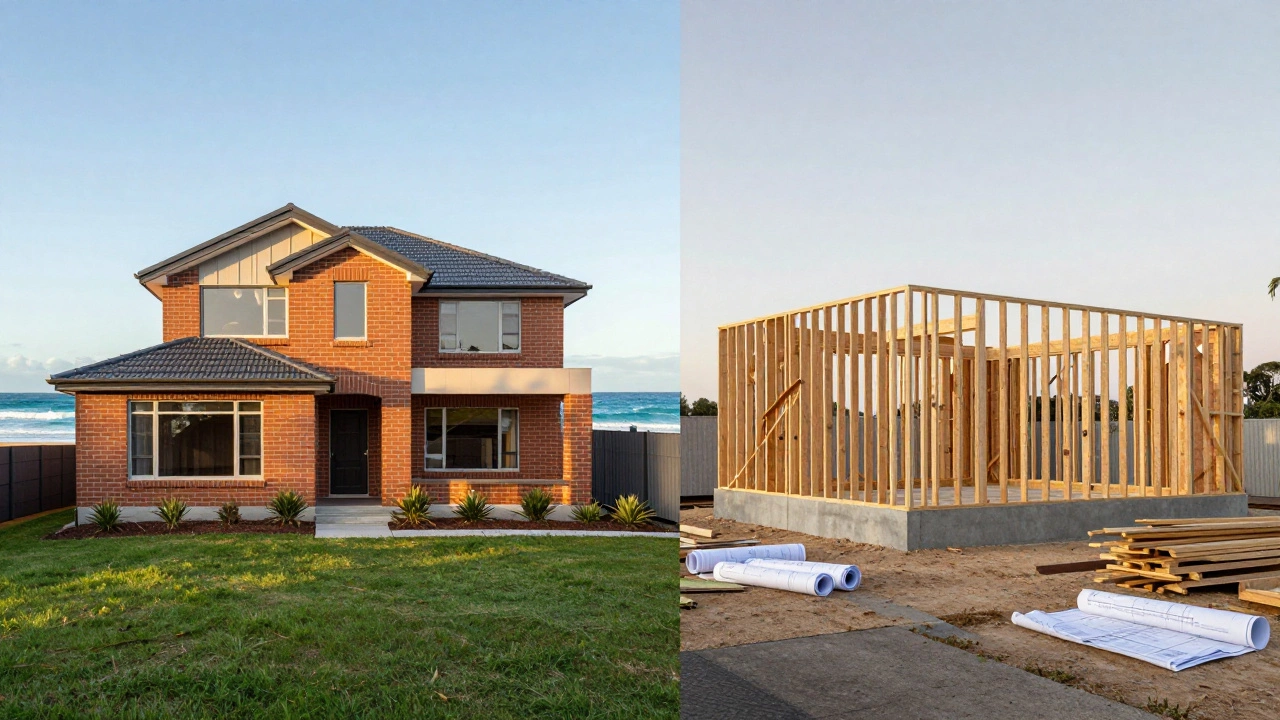
If your home sits on a beachfront block worth $1 million but the house itself is a modest brick veneer that costs $350,000 to rebuild, your insurance sum insured should be around $350,000, not $1 million. Insuring for the market value is wasteful because you’ll never get paid for the land-it’s still there after a fire. Insuring for less than the rebuilding cost is dangerous because you’ll face a massive shortfall.
How Replacement Cost Is Calculated
Calculating replacement cost isn’t just about measuring square footage. It’s a detailed assessment of every component of your home. Professional valuers use specialized software (like Xactimate or BuildSoft) that breaks down the cost per square meter for different types of construction.
Here are the key factors that drive up or down your replacement cost:
- Construction Type: A double-brick home costs significantly more to rebuild than a timber-framed one due to material weight and labor intensity.
- Finishes and Fixtures: Did you install imported Italian tiles or standard ceramic ones? Solid oak cabinetry or laminate? High-end finishes increase the replacement cost substantially.
- Architectural Complexity: Simple rectangular homes are cheaper to build. Homes with multiple roof pitches, dormer windows, or custom stonework require skilled tradespeople who charge premium rates.
- Demolition and Debris Removal: After a total loss, the site must be cleared before rebuilding. This cleanup cost is included in the replacement value.
- Professional Fees: Architects, engineers, and council approval fees are part of the rebuilding process and should be covered.
In Australia, construction costs have risen sharply since 2020. Labor shortages and supply chain issues mean that a quote from three years ago is likely obsolete. If your last valuation was in 2023, it might underestimate the current cost by 15-20%.
Replacement Cost vs. Indemnity Value: Know What You’re Buying
This is where many policyholders get burned. Not all home insurance policies offer true replacement cost coverage. Some older or budget policies use indemnity value.
| Feature | Replacement Cost (Reinstatement) | Indemnity Value |
|---|---|---|
| Definition | Covers the cost to replace damaged items with new ones of similar quality. | Covers the current value of items, accounting for age and wear. |
| Depreciation | No depreciation applied. You get the full cost of new goods. | Depreciation is deducted. Older items pay out less. |
| Example: Roof Shingles | If your 10-year-old roof is destroyed, you get enough money for brand-new shingles. | If your 10-year-old roof is destroyed, you get the value of used 10-year-old shingles (very little). |
| Premium Cost | Higher annual premiums. | Lower annual premiums. |
Always check your Product Disclosure Statement (PDS). Look for the words "reinstatement" or "replacement cost." If you see "indemnity" or "actual cash value," you are buying a lower level of protection. For most homeowners, replacement cost is worth the extra premium because it prevents financial shock during a claim.

The Danger of Underinsurance: The Average Clause
Even if you have a replacement cost policy, you can still lose money if your sum insured is too low. This is governed by the Average Clause, also known as the condition of average.
Imagine your home costs $500,000 to rebuild, but you only insured it for $400,000 to save on premiums. You are 80% insured ($400k / $500k). Now, a storm causes $50,000 worth of damage to your roof.
Without the average clause, you’d expect to get $50,000. But because you were underinsured, the insurer applies the percentage. They pay only 80% of the claim. You receive $40,000, and you must pay the remaining $10,000 out of pocket. This penalty exists to prevent people from taking high risks while paying low premiums.
To avoid this, your sum insured must match the current replacement cost. If construction prices rise, your coverage should rise with them.
Guaranteed Replacement Cost Policies
Some insurers offer a step above standard replacement cost: Guaranteed Replacement Cost (or Unlimited Reinstatement). With this option, the insurer agrees to pay whatever it takes to rebuild your home, even if the final bill exceeds your original sum insured.
This sounds like a dream, but there are catches:
- Scope Limits: The guarantee usually applies only to the main dwelling, not detached structures like sheds or pools.
- Moral Hazard Checks: If the rebuild cost is vastly higher than expected, the insurer may investigate whether you intentionally underreported the home’s size or features.
- Premiums: These policies are significantly more expensive.
For complex or high-value homes, guaranteed replacement cost provides peace of mind against inflation spikes in construction materials. For standard homes, a well-calculated fixed sum insured is often sufficient.
How to Accurately Determine Your Replacement Cost
Don’t guess. Don’t rely on the value stated on your council rates notice-that includes land. Here is how to get an accurate number:
- Use Online Calculators: Many Australian insurers provide free online rebuilding cost calculators. Input your address, construction type, and features. This gives you a baseline estimate.
- Hire a Professional Valuer: For unique homes, large properties, or those with extensive renovations, hire a qualified building valuer. They will walk through your home, measure every room, note the quality of fixtures, and produce a formal report. This costs between $300 and $600 but ensures accuracy.
- Review Annually: Construction costs change. Review your sum insured every year, especially before renewal. If you’ve added a sunroom or renovated the bathroom, update your policy immediately.
Keep a record of major renovations. Receipts for new kitchens, bathrooms, or roofing help justify a higher sum insured if the insurer questions your figures.
Special Considerations for Australian Homes
Living in Australia adds specific layers to replacement cost calculations. Our climate and building codes create unique requirements:
- Bushfire Attack Level (BAL): If you live in a bushfire-prone area, your home must be rebuilt to specific BAL ratings (e.g., BAL-29 or BAL-40). This requires special materials like ember-resistant screens and non-combustible cladding, which cost more than standard builds.
- Cyclone Ratings: In Queensland and northern NSW, homes must meet cyclone standards. Reinforced roofs and impact-resistant windows increase the replacement cost.
- Flood Zones: If your home is in a flood zone, local councils may require elevated foundations or waterproofing measures during rebuilds, adding to the cost.
Ensure your valuer accounts for these regulatory requirements. A standard national average won’t reflect the premium costs of compliant materials in high-risk zones.
What Happens During a Claim?
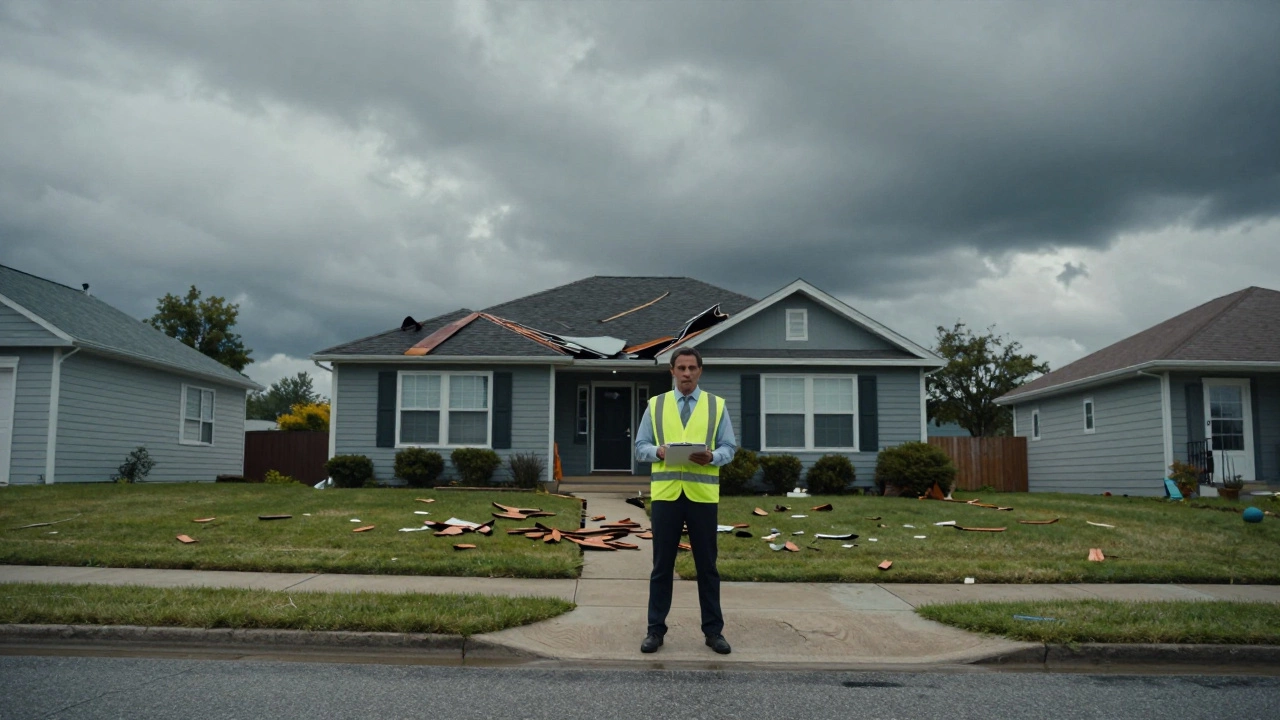
When you make a claim, the insurer doesn’t write a check immediately. They send a loss adjuster to assess the damage. The adjuster determines if the item can be repaired or must be replaced. If replacement is needed, they calculate the cost based on current market rates for materials and labor in your region.
If you choose to upgrade during the rebuild-for example, swapping vinyl flooring for hardwood-the extra cost is yours. Replacement cost covers "like-for-like" or "similar quality." It does not cover improvements unless you specifically agree to pay the difference upfront.
Also, remember that your excess (deductible) applies. If your excess is $1,000 and the repair costs $5,000, you pay the first $1,000, and the insurer pays the remaining $4,000.
Does replacement cost include the value of my land?
No. Replacement cost only covers the physical structure of your home and attached fixtures. Land value is excluded because the land typically remains undamaged after events like fires or storms. Including land value in your insurance is unnecessary and increases your premiums without providing additional benefit.
How often should I review my replacement cost?
You should review your replacement cost annually, ideally when your policy renews. Construction costs can fluctuate due to inflation, material shortages, or changes in labor rates. Additionally, if you have made significant renovations or additions to your home, you should update your sum insured immediately to avoid underinsurance penalties.
What is the difference between replacement cost and market value?
Market value is what someone would pay to buy your entire property, including the land, in the current real estate market. Replacement cost is strictly the amount required to rebuild the physical house to its pre-loss condition using current prices for materials and labor. Market value is driven by location and demand; replacement cost is driven by construction expenses.
Can I insure my home for less than its replacement cost?
Technically yes, but it is risky. If you underinsure your home, the insurer will apply the "Average Clause." This means they will reduce your payout proportionally to the amount you were underinsured. For example, if you are 20% underinsured, they will pay 20% less on every claim, forcing you to cover the gap yourself.
Does replacement cost cover temporary accommodation?
Replacement cost specifically refers to rebuilding the structure. However, most comprehensive home insurance policies include separate coverage for "Alternative Accommodation" or "Loss of Use." This covers hotel bills and rental costs while your home is being repaired or rebuilt. Check your policy limits for this section, as it is often capped at a specific dollar amount or time period.
How do renovations affect my replacement cost?
Renovations that improve the quality or size of your home increase its replacement cost. Adding a second story, upgrading to premium fixtures, or extending the living area requires more materials and labor to rebuild. You must inform your insurer of major renovations and adjust your sum insured accordingly to ensure full coverage.