30-Day Waiting Room Tracker
Add items you want to buy. The tool will calculate the waiting period based on the price (Tiered Waiting) and track the release date.
The goal here isn't to stop you from buying things you love. It's about removing the emotional 'high' from the transaction. When we see something we want, our brain releases dopamine, which shuts down the logical part of our mind. By the time thirty days have passed, that chemical surge has faded, and you can actually decide if that $200 gadget is worth your hard-earned cash.
Quick Summary: How it Works
- Identify: Spot a non-essential item you want to buy.
- Pause: Write it down on a list with the date and the price.
- Wait: Let exactly 30 days pass without looking at the item.
- Evaluate: If you still want it after a month, buy it. If not, you just saved money.
Why Your Brain Loves to Waste Your Money
To understand why this rule works, you have to understand Impulse Buying. Most modern shopping is designed to trigger an immediate reaction. Think about "limited time offers," countdown timers on websites, or the way stores put candy and magazines right at the checkout. These are all tactics to create a sense of urgency.
When you're in that state, you aren't thinking about your Opportunity Cost-which is basically the thing you can't buy because you spent your money on this new item. For example, spending $150 on a trendy pair of shoes today might mean you can't afford that weekend trip you've been planning for months. The 30 day rule forces you to confront that trade-off before the money leaves your account.
How to Implement the Rule Without Losing Your Mind
If you just try to "remember" to wait, you'll probably forget or give in. You need a system. Here is a practical way to set this up using tools you already have.
- The Wishlist Method: Create a dedicated note in your phone called "The 30-Day Waiting Room." Whenever you feel the urge to buy something, add the item, the price, and today's date.
- The Physical List: If you're old school, keep a notebook on your fridge. Writing things down by hand actually engages a different part of your brain and makes the commitment feel more real.
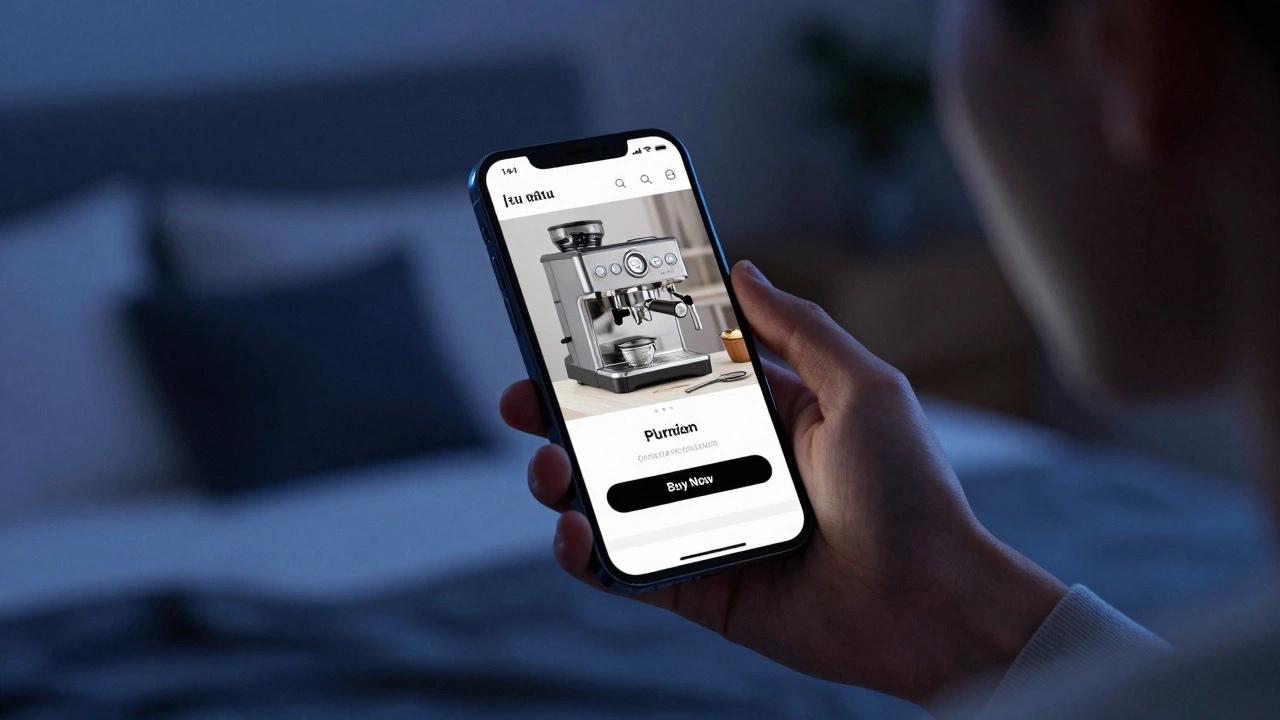
- The Digital Cart Trick: For online shopping, add the item to your cart and then close the tab. Don't save your credit card info in the browser. Forcing yourself to find your wallet and type in the numbers again creates a second layer of friction that can stop a midnight spending spree.

Not Everything Fits the Rule: What to Exclude
You can't apply this to everything, or you'll be living in a house with no lightbulbs and eating plain rice. You need to distinguish between Essential Expenses and Discretionary Spending.
| Category | Apply 30 Day Rule? | Examples |
|---|---|---|
| Emergency Needs | No | Leaking pipe, broken heater, urgent medicine |
| Groceries/Toiletries | No | Milk, eggs, toothpaste, toilet paper |
| Tech & Gadgets | Yes | New smartphone, gaming console, smart watch |
| Clothing/Fashion | Yes | Designer sneakers, a new dress, a trendy jacket |
| Home Decor | Yes | Scented candles, a new rug, art prints |
The Psychology of the 'Cooling Off' Period
What actually happens during those 30 days? Most of the time, you experience a phenomenon called Hedonic Adaptation. This is the tendency of humans to quickly return to a stable level of happiness despite major positive or negative events. The "excitement" of a new product is a peak, but it drops off quickly.
After a week, you might realize you don't actually need that fancy new blender; you just liked the look of the ads. After two weeks, you might find a cheaper alternative that does the same thing. By day thirty, the emotional attachment is gone, and you can ask yourself: "Will this item actually improve my daily life, or am I just bored?"
Scaling the Rule for Different Budgets
Not everyone needs a full month. Depending on the price of the item, you can adjust the timeframe. This is often called "tiered waiting." If you're working with a tight Budget, this is a great way to keep your savings growing without feeling like you're punishing yourself.
- Under $50: 24-hour rule. Just sleep on it. Usually, the urge vanishes by morning.
- $50 to $200: 7-day rule. Wait one full week. If you're still thinking about it every day, it's probably a valid want.
- Over $200: Full 30-day rule. This is for the big stuff that can actually dent your Emergency Fund.

Common Pitfalls and How to Avoid Them
The biggest mistake people make is "cheating" the rule by browsing the item every single day. If you spend your 30-day waiting period looking at reviews, watching unboxing videos on YouTube, and checking the price, you aren't actually cooling off. You're just building more anticipation. To make this work, you have to genuinely step away from the product.
Another trap is the "sale" excuse. You might think, "I can't wait 30 days because it's 40% off right now!" Remember: if you save 40% on something you didn't need, you still spent 60% of the price for something useless. You didn't save money; you spent it. If a great deal is too good to pass up, ask yourself if you would have bought it at full price. If the answer is no, it's an impulse buy disguised as a bargain.
Connecting the Dots: From Waiting to Wealth
When you consistently use this rule, you'll notice something strange: you actually enjoy your purchases more. Why? Because when you finally buy that item on day 31, you know you actually want it. The guilt of overspending is replaced by the satisfaction of a mindful choice.
Moreover, the money you save by skipping those "ghost purchases" can be redirected into things that actually build your future. Instead of a closet full of clothes you wore once, you could have a growing Savings Account or investments that pay you dividends. It's about shifting your identity from a "consumer" to a "saver." Once you start seeing your bank balance grow because of the things you didn't buy, that becomes a much bigger rush than any new gadget ever could.
Does the 30 day rule apply to clothes?
Yes, especially for fashion items. Clothing is one of the biggest sources of impulse spending due to fast fashion trends. Waiting 30 days helps you decide if a piece of clothing actually fits your style and wardrobe, or if you're just reacting to a temporary trend.
What if the item is on a limited-time sale?
This is the hardest part of the rule. However, sales are designed to create artificial urgency. If you feel you must buy it now to save money, try the "7-day version" of the rule. If it's truly a necessity, the loss of a discount is better than the loss of the full purchase price on something you don't need.
Can I buy the item if I find a cheaper one during the 30 days?
Finding a cheaper alternative is actually a win! It shows that the waiting period is working by making you a more informed shopper. However, don't let the lower price trick you into bypassing the rest of the waiting period.
Is this rule too restrictive for a normal life?
Not at all. The rule only applies to non-essential, discretionary spending. You can still buy your groceries, pay your rent, and treat yourself to small joys. It's about mindful consumption, not extreme deprivation.
How do I track my 30-day list?
The most effective way is using a simple digital note or a physical journal. Record the Item Name, the Date you first wanted it, the Price, and the "Release Date" (the date 30 days from now). When that date arrives, review the list and decide.
Next Steps and Troubleshooting
If you're finding it impossible to stick to the 30 days, start smaller. Try a "3-day rule" first. Once you feel the satisfaction of skipping a few small purchases, move up to a week, and eventually to the full month. The habit of pausing is more important than the exact number of days.
If you've already fallen into a cycle of heavy debt from impulse buying, the 30 day rule is a great starting point, but you might also need to look into Debt Consolidation or a more rigid monthly budget to get back on track. Combine the rule with a "cash-only" system for your fun money to create a hard limit on what you can possibly spend.