Personal Budget Planner & Analyzer
Step 1: Enter Your Details
Fixed Expenses (Needs)
Variable Expenses (Wants)
Budget Analysis
| Category | Amount | Status |
|---|
Enter your income and expenses on the left to see your budget breakdown and health score.
Most people think budgeting means restriction. They picture a spreadsheet full of red numbers and a life where you can never buy coffee again. That’s not what good budgeting looks like. In reality, a solid budget is just a plan for your money so it goes where you want it to go, rather than disappearing into the void of forgotten subscriptions and impulse buys. If you’ve tried budgeting before and failed, it wasn’t because you’re bad with money. It was likely because the method was too rigid or didn’t fit your actual lifestyle.
In 2026, with inflation still lingering in certain sectors and digital banking making spending frictionless, having a clear financial roadmap is more critical than ever. You don’t need an accounting degree to get this right. You just need a system that works. Here are the seven essential steps to build a budget that actually sticks.
1. Calculate Your Net Income
The first step seems obvious, but most people skip the details. You need to know exactly how much money hits your bank account every month. This isn’t your gross salary-the number on your employment contract. It’s your net income, which is what remains after taxes, superannuation contributions, health insurance premiums, and any other payroll deductions are taken out.
If you have a steady job, look at your last three payslips and average them out. Pay attention to variations. Do you get paid bi-weekly? That means some months you’ll get two paychecks, and others you’ll get three. For freelancers or gig workers, use your lowest earning month from the past year as your baseline. It’s better to budget conservatively and have leftover cash than to overspend based on optimistic projections.
- W-2 Employees: Check your final paycheck stub or online portal for "take-home pay."
- Freelancers: Calculate the average net profit from the last 12 months.
- Variable Income: Include side hustles, dividends, or rental income only if they are consistent.
2. Track Your Spending Habits
You can’t manage what you don’t measure. Before you assign dollars to categories, you need to understand where your money is currently going. Pull up your bank statements and credit card bills for the last three months. Look for patterns. Are you spending $400 a month on dining out? Is there a streaming service you forgot you were paying for?
This step isn’t about judgment; it’s about data collection. Many Australians find that their discretionary spending-things like entertainment, hobbies, and eating out-is higher than they thought. Use apps like YNAB (You Need A Budget) or PocketSmith to automate this tracking, or simply export your CSV files and review them manually. The goal is to create a realistic picture of your current financial behavior.
3. Set Realistic Financial Goals
A budget without goals is just a list of expenses. Why are you doing this? Maybe you want to save for a house deposit in Brisbane, pay off high-interest credit card debt, or build an emergency fund. Having a specific target gives your budget purpose.
Categorize your goals into short-term (less than a year), medium-term (1-5 years), and long-term (5+ years). For example:
- Short-term: Build a $1,000 emergency buffer.
- Medium-term: Save $10,000 for a new car.
- Long-term: Contribute consistently to your superannuation for retirement.
Write these down. When you feel tempted to skip a savings contribution, remind yourself why you started. Specificity matters. Instead of saying “I want to save money,” say “I want to save $500 a month for a holiday.”

4. Determine Your Needs vs. Wants
This is the core of almost every budgeting framework. You need to separate essential expenses from discretionary ones. Needs are things you must pay to survive and keep your job: rent or mortgage, utilities, groceries, transportation, and minimum debt payments. Wants are everything else: dining out, gym memberships, new clothes, and entertainment.
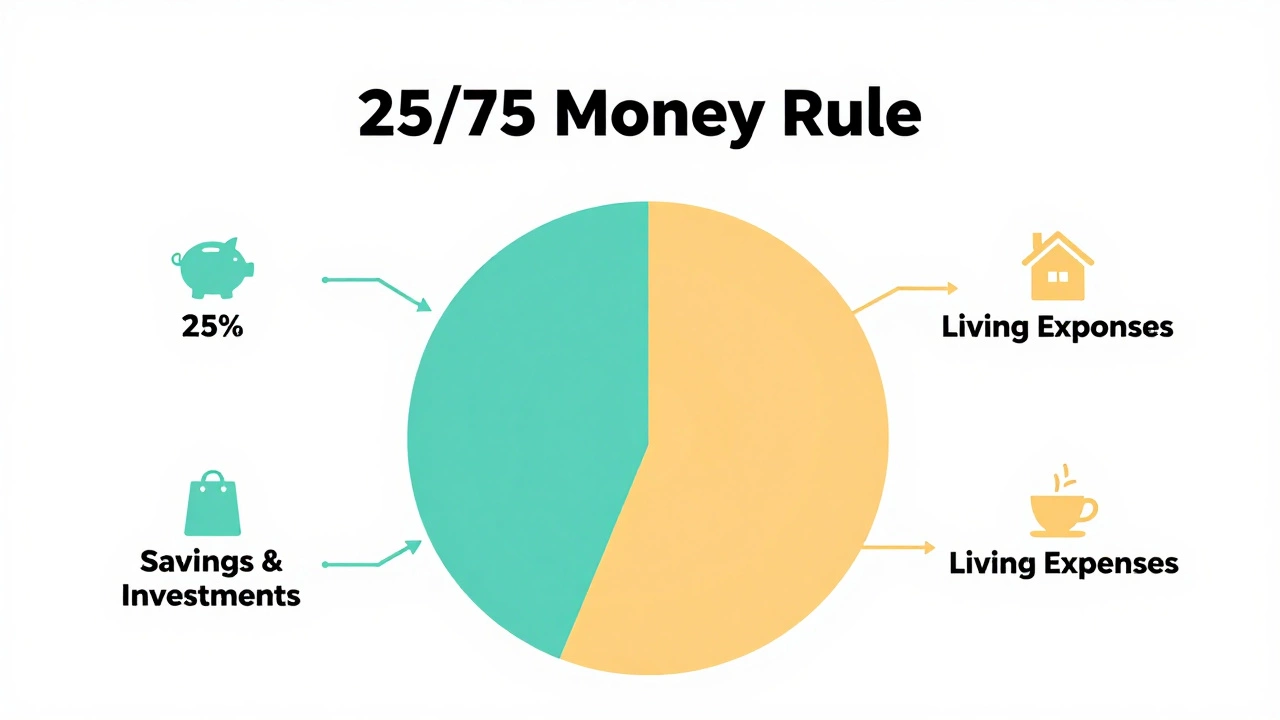
The classic rule of thumb is the 50/30/20 rule, popularized by Senator Elizabeth Warren. It suggests allocating 50% of your after-tax income to needs, 30% to wants, and 20% to savings and debt repayment. However, in high-cost cities like Sydney or Melbourne, 50% might not cover housing. Adjust the percentages to fit your reality. If your needs take 60%, you’ll need to cut back on wants or increase income.
| Category | Needs (Essential) | Wants (Discretionary) |
|---|---|---|
| Housing | Rent/Mortgage, Council Rates | Home Decor, Luxury Upgrades |
| Food | Groceries for home cooking | Restaurant meals, Takeaway coffee |
| Transport | Car loan, Fuel, Public transport pass | Taxis, Uber, New car features |
| Utilities | Electricity, Water, Basic Internet | Premium Cable TV, Extra Data Plans |
5. Assign Every Dollar a Job
This step introduces the concept of Zero-Based Budgeting. A method where your income minus your expenses equals zero. It doesn’t mean you spend all your money; it means you plan for every single dollar. If you earn $5,000 a month, you allocate that $5,000 to bills, savings, investments, and fun until you have $0 left to assign.
This approach forces you to make conscious decisions. Instead of wondering where your money went at the end of the month, you’ve already decided its fate. If you have extra cash after covering essentials and savings goals, assign it to something meaningful-maybe accelerating debt payoff or boosting your investment portfolio. This eliminates the “leftover” guilt and turns saving into an active choice.

6. Monitor and Adjust Regularly
A budget is not a set-it-and-forget-it document. Life happens. You might have a medical expense, a car repair, or a sudden opportunity to invest. Review your budget weekly. Check your transactions against your planned amounts. Did you overspend on groceries? Did you under-budget for utilities?
Use this time to adjust. If you consistently overspend in one category, either increase the budget allocation or find ways to reduce costs. For instance, if you’re spending too much on dining out, meal prep on Sundays. Flexibility is key. A rigid budget breaks; a flexible budget bends. The goal is progress, not perfection.
7. Review and Optimize Quarterly
Every three months, take a broader look at your financial health. Are you meeting your savings goals? Have your income or expenses changed significantly? This is the time to recalibrate. Maybe you got a raise-great! Don’t just spend it. Increase your savings rate or pay down debt faster. This is known as avoiding lifestyle inflation.
Also, check for opportunities to cut costs. Can you negotiate a lower internet bill? Is there a cheaper insurance provider? Small optimizations compound over time. A quarterly review ensures your budget evolves with your life, keeping you on track toward your long-term financial freedom.
Is zero-based budgeting better than the 50/30/20 rule?
It depends on your personality. Zero-based budgeting offers more control and clarity, ensuring every dollar has a purpose. The 50/30/20 rule is simpler and less time-consuming but may lack precision. Try both for a month and see which feels more sustainable for you.
How do I handle irregular income when budgeting?
Base your fixed expenses on your lowest expected monthly income. Any extra income should go directly to savings, debt repayment, or a “fun” fund. Create a sinking fund for variable expenses like annual insurance premiums by setting aside a small amount each month.
What if I overspend in one category?
Don’t panic. Move money from another category where you underspent. For example, if you spent too much on dining out, take that amount from your entertainment budget. Just ensure your total spending doesn’t exceed your total income.
Do I need an app to budget effectively?
No. Apps like YNAB or PocketSmith are helpful tools, but a simple spreadsheet or even pen and paper can work just as well. The best tool is the one you will actually use consistently.
How often should I update my budget?
Review your budget weekly to track spending and make minor adjustments. Conduct a deeper review quarterly to assess progress toward goals and make significant changes based on life events or income shifts.