$5,000 Loan Approval & Cost Estimator
Approval Assessment
Tier:
Estimated APR:
Monthly Payment:
Total Interest Paid:
Strategic Advice
Comparison to Excellent Credit
Compared to a 760+ score, you are paying an extra in interest over the 36-month term.
You’re staring at your bank account, wondering if that credit score number is the only thing standing between you and the cash you need. It’s a common panic: you need five grand for a car repair, a wedding, or maybe just to bridge a gap until payday. But do you really need a pristine 750+ rating to get approved? The short answer is no. But the longer answer involves understanding how lenders view risk, what specific numbers trigger different interest rates, and why two people with similar scores might get very different offers.
The Quick Answer: Scores and Approval Odds
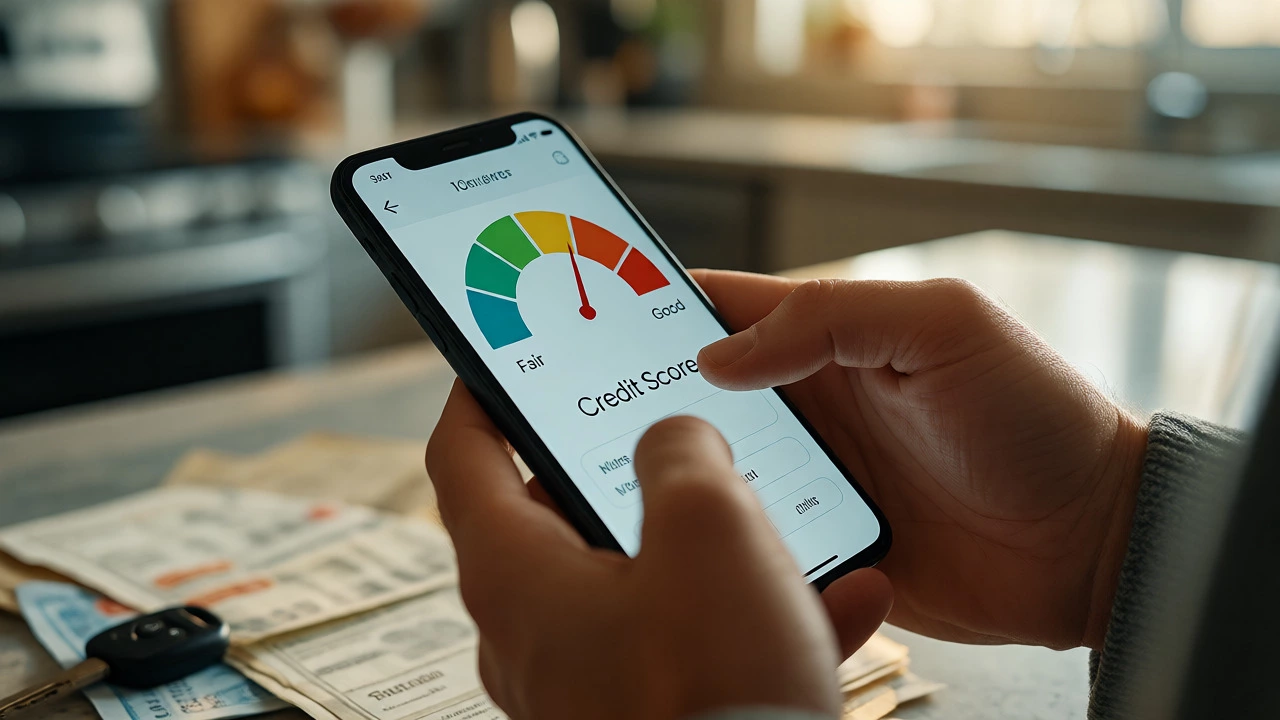
Before we break down the mechanics, here is the reality check. Lenders don’t have one magic number. They have tiers. Generally speaking, if you are aiming for a $5,000 unsecured personal loan, here is how your score impacts your chances:
- 740-850 (Excellent): You will likely be approved instantly with the lowest available interest rates. You have leverage here; shop around.
- 670-739 (Good): High approval odds. Rates will be reasonable, though not the absolute best on the market.
- 580-669 (Fair): Approval is possible but harder. Expect higher interest rates and potentially stricter income verification.
- Below 580 (Poor): Traditional banks often say no. You may need to look at specialized subprime lenders, secured loans, or co-signers.
Notice that there is no hard cutoff where everyone below 600 gets rejected. Some online lenders approve borrowers in the high 500s if their debt-to-income ratio is strong. Others might reject someone with a 620 if they have recent late payments. Context matters more than the raw number.
Why Lenders Care About Your Score More Than Your Income
You might think, "I make $80,000 a year, so who cares about my score?" Lenders care because your income tells them you can pay, but your credit score tells them you will pay. A high income doesn’t fix a history of missed bills. Conversely, a modest income with a perfect payment history shows reliability.
When a lender looks at your application, they are calculating risk. A lower score statistically correlates with a higher chance of default. To offset this risk, they charge higher interest rates. This is called risk-based pricing. If you have a score of 550, you might see an APR (Annual Percentage Rate) of 15-20%. With a score of 750, that same loan could cost you 6-8%. Over a three-year term, that difference can amount to hundreds or even thousands of dollars in extra fees.
Beyond the Number: What Else Influences Approval?
Your credit score is the headline, but it isn’t the whole story. Underwriters look at several other factors before handing over $5,000. Ignoring these can lead to unnecessary rejections.
Debt-to-Income Ratio (DTI)
This is your monthly debt payments divided by your gross monthly income. Most lenders want your DTI to stay below 43%, including the new loan. If you already have high credit card balances or student loans, adding another $5,000 payment might push you over the limit. Even with a great credit score, a high DTI can kill your application.
Employment Stability
Lenders love consistency. Being in the same job for two years looks better than three jobs in six months, even if the latter pays more. Gig workers and freelancers face extra scrutiny because their income fluctuates. You might need to provide tax returns from the last two years rather than just pay stubs.
Credit Mix and Age
A long history of managing different types of credit (cards, auto loans, mortgages) helps. A thin file-meaning you haven’t used credit much-is actually worse than having some old accounts, even if those accounts had minor issues. It gives the algorithm less data to work with, increasing uncertainty.

How Interest Rates Shift Based on Your Score
Let’s put real numbers to this. Assume a $5,000 loan with a 36-month term. Here is how your score changes the cost.
| Credit Score Range | Estimated APR | Monthly Payment | Total Interest Paid |
|---|---|---|---|
| 760+ | 6.5% | $153 | $510 |
| 700-759 | 8.5% | $158 | $690 |
| 650-699 | 11.5% | $164 | $910 |
| 600-649 | 15.0% | $173 | $1,230 |
| Below 600 | 20.0%+ | $186 | $1,700+ |
See the jump between the 650 and 600 ranges? That small drop in score costs you an extra $320 in interest. This is why checking your score before applying is crucial. If you are sitting at 645, waiting a month to pay down a credit card balance might bump you into a tier that saves you money.
Where to Apply Based on Your Credit Profile
Not all lenders treat scores the same way. Choosing the right type of lender depends on your current situation.
Traditional Banks and Credit Unions
These institutions offer the lowest rates but have the strictest requirements. They typically prefer scores above 680. Credit unions are often more forgiving than big banks, especially if you are already a member. They might consider your relationship with them-like keeping a savings account there-as a positive factor.
Online Personal Loan Providers
Companies like SoFi, Upstart, or LightStream use advanced algorithms that look beyond FICO scores. They might approve someone with a 620 score if they have a high degree or stable tech industry job. These platforms process applications quickly, often funding within 24-48 hours. However, their rates can vary wildly based on your profile.
Specialized Bad Credit Lenders
If your score is below 580, mainstream options dry up. Look for lenders specializing in "fair" or "poor" credit. Be careful here. Read the fine print for origination fees. Some charge a 5-8% fee upfront, which comes out of your loan proceeds. So, if you borrow $5,000, you might only receive $4,600 but still owe interest on the full $5,000.

Strategies to Improve Your Odds Before Applying
If you aren’t sure where you stand, don’t apply blindly. Multiple hard inquiries in a short period can temporarily ding your score. Here is how to prep.
- Check Your Report for Errors: Dispute any incorrect late payments. Removing one error can boost your score by 20-50 points.
- Pay Down Revolving Debt: Lowering your credit utilization ratio (the percentage of your limit you’re using) has an immediate impact. Aim to keep it under 30%.
- Consider a Co-Signer: If your score is borderline, adding a partner or family member with excellent credit can secure approval and a lower rate. Just remember, they are equally liable if you miss payments.
- Try Pre-Qualification: Many online lenders allow soft pulls that don’t affect your score. Use these to compare offers without committing.
Secured vs. Unsecured: When to Pivot
If you get rejected for an unsecured $5,000 loan, don’t give up. Consider a secured loan. This requires collateral, like a car title or savings account. Because the lender has something to seize if you default, they accept lower credit scores. The trade-off? You risk losing your asset. For a relatively small amount like $5,000, a secured personal loan might be easier to qualify for than a traditional unsecured one if your credit is shaky.
Another option is a credit-builder loan. These are small loans designed specifically to help you build credit. You don’t get the cash upfront; instead, the lender holds the money in a CD while you make payments. Once paid off, you get the funds and a positive payment history. This works best if you can wait a few months for the cash.
Frequently Asked Questions
Can I get a $5000 loan with a 500 credit score?
Yes, but it will be difficult through traditional banks. You will likely need to look at online subprime lenders, peer-to-peer lending platforms, or secured loans. Expect high interest rates (often 20%+) and potential origination fees. Having a co-signer with good credit significantly improves your chances.
Does checking my credit score hurt my chances?
Checking your own score is a soft inquiry and does not hurt your score. However, when lenders pull your report for a formal application, it is a hard inquiry, which can temporarily lower your score by a few points. Using pre-qualification tools that specify "soft pull" allows you to check eligibility without damage.
What is the fastest way to get a $5000 loan?
Online lenders generally offer the fastest turnaround, often approving and funding loans within 24 to 48 hours. Traditional banks may take a week or more due to manual underwriting processes. Ensure you have all documentation ready, such as ID, proof of income, and bank statements, to speed up the digital process.
Are there fees associated with bad credit loans?
Yes, many lenders charging higher rates also impose origination fees, which are deducted from the loan amount. There may also be prepayment penalties if you pay off the loan early. Always calculate the total cost of the loan, including fees, rather than just looking at the monthly payment.
Should I use a credit card cash advance instead?
Generally, no. Cash advances usually come with high interest rates that start accruing immediately (no grace period) and significant transaction fees. A personal loan typically offers a fixed lower rate and predictable monthly payments, making it a cheaper option for borrowing $5,000 unless you can pay the card balance back within a month or two.