
Bitcoin Passive Investing Readiness & Strategy Checker
Investor Profile & Setup
Risk Assessment
Storage Risk:
Psychological Risk:
Allocation Warning:
DCA Projection
Assumes constant monthly investment over the selected period. Does not account for market volatility or price changes.
- Total Invested: $0
- Number of Purchases: 0
- Avg. Monthly Cost: $0
Note on Taxes: Remember that swapping BTC for other assets or spending it triggers taxable events in many jurisdictions (like Australia). Pure holding avoids realized capital gains until sale.
Fill out the form on the left and click "Analyze My Strategy" to see your personalized assessment and DCA projections.
You stare at the chart. The price of Bitcoin has dipped again, or maybe it just surged 15% in a week. It’s hard to tell which is worse when you’re trying to sleep. The question on everyone’s mind, especially for those new to the space, is simple but deceptive: "Do I just buy Bitcoin and let it sit?"
This strategy, often called "HODLing" (a misspelling of "hold" that became a community mantra), sounds like the ultimate passive income hack. You buy the digital gold, put it in a vault, and ignore it until you’re rich. But in September 2026, with regulatory frameworks tightening globally and institutional adoption maturing, "just sitting" isn’t quite as simple as it sounds. If you treat Bitcoin like a savings account, you might lose money. If you treat it like a high-growth tech stock without a plan, you might panic-sell at the bottom.
The Psychology of Doing Nothing
Most people fail at investing not because they pick bad assets, but because they can’t handle their own emotions. Bitcoin’s volatility is its defining feature. In 2024, we saw drawdowns of over 70%. By 2026, while the market is more mature, double-digit daily swings are still common. If your heart rate spikes every time you check your portfolio, "letting it sit" is actually the hardest active decision you’ll ever make.
The core problem with passive holding is opportunity cost and psychological friction. When the market crashes, the narrative shifts from "digital gold" to "going to zero." When it rallies, FOMO (fear of missing out) tempts you to add more at peak prices. Successful long-term holders don’t just have luck; they have a system that removes emotion from the equation. This usually means automating purchases so you aren’t staring at charts, deciding whether today is "the day" to buy.
Storage: The One Thing You Can’t Ignore
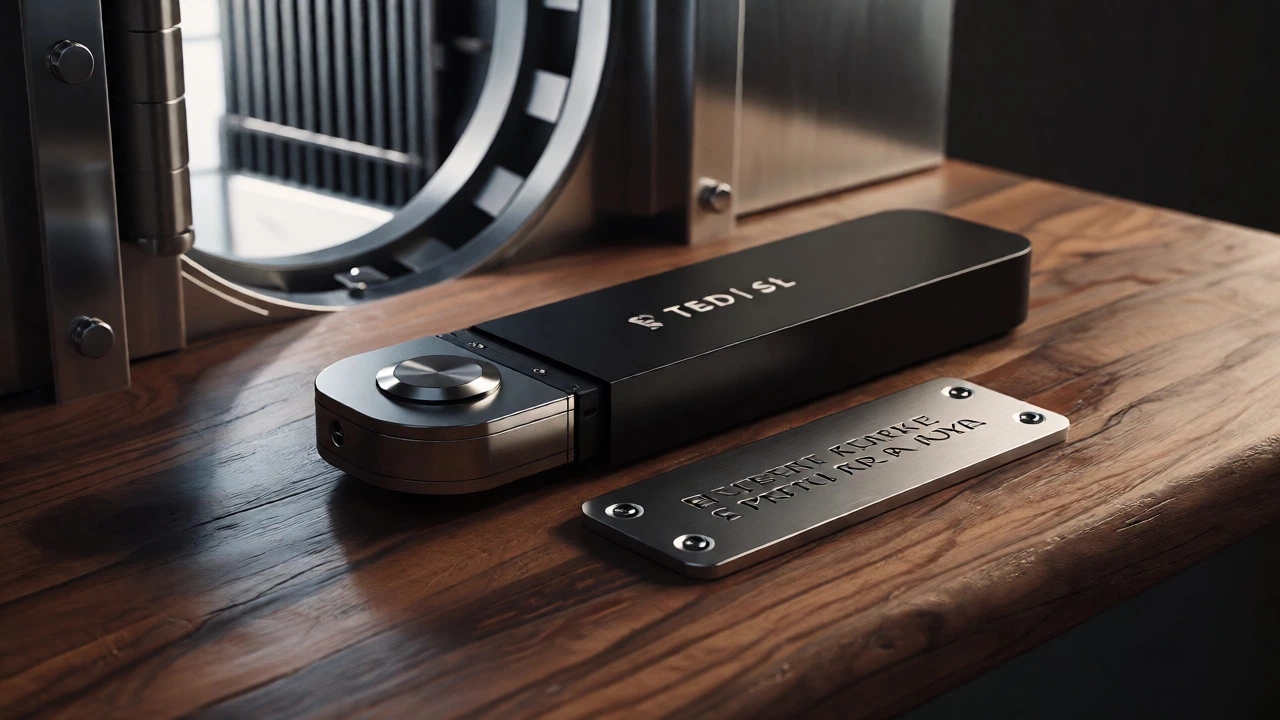
If you decide to let Bitcoin sit, where does it sit? This is the single biggest risk factor for passive investors. Leaving significant amounts of crypto on an exchange like Coinbase or Binance is convenient, but it’s not safe. Remember Mt. Gox in 2014? Or FTX in 2022? Exchanges can freeze withdrawals, go bankrupt, or get hacked.
For true passive holding, self-custody is non-negotiable for most serious investors. This involves moving your coins to a hardware wallet, such as a Ledger or Trezor. These devices keep your private keys offline, immune to online hackers. However, this introduces a new risk: user error. If you lose your recovery seed phrase (a list of 12-24 words), your Bitcoin is gone forever. There is no password reset button in blockchain.
| Storage Method | Security Level | Convenience | Best For |
|---|---|---|---|
| Exchange Custody | Low-Medium (Counterparty Risk) | High | Small balances, frequent traders |
| Hardware Wallet | Very High (Cold Storage) | Medium | Long-term HODLers, large balances |
| Software Wallet | Medium-High (Hot Wallet) | High | Daily spending, small amounts |
Tax Implications in Australia and Beyond
Living here in Brisbane, I see many locals confused about how the Australian Taxation Office (ATO) views crypto. Unlike traditional stocks, where capital gains tax only applies when you sell, crypto transactions can trigger taxable events in unexpected ways. Swapping Bitcoin for Ethereum? That’s a disposal. Using Bitcoin to buy a coffee? That’s a disposal.
If you truly "let it sit," meaning you never sell or swap, you generally avoid realizing capital gains. However, if you earn yield by staking or lending your Bitcoin (though Bitcoin doesn’t stake natively, platforms offer lending), that income is taxable annually. Before you commit to a multi-year hold, consult a tax professional who understands digital assets. Misunderstanding these rules can turn a profitable hold into a tax bill nightmare.
Is Bitcoin Still the Best Passive Play?
In 2026, the landscape has shifted. While Bitcoin remains the dominant store of value, other assets compete for your attention. Ethereum offers smart contract capabilities and potential yield through staking. Stablecoins offer stability but negligible growth. Stocks offer dividends and historical stability.
Bitcoin’s case for passive holding rests on its scarcity. With only 21 million coins ever to exist, and the most recent halving event reducing new supply issuance, the fundamental economics favor long-term accumulation during periods of low liquidity. However, it generates no cash flow. It pays no dividends. Its value is purely based on network effect and monetary premium. If you need regular income, Bitcoin alone might not satisfy your needs. You might need a diversified portfolio where Bitcoin plays a specific role-perhaps 5-10% of total net worth-rather than being the entire engine.
A Practical Checklist for the Passive Investor
If you want to adopt the "buy and forget" strategy, you need to set up guardrails before you buy. Here is what you should do:
- Define Your Allocation: Decide exactly what percentage of your portfolio will be in Bitcoin. Stick to it regardless of price action.
- Automate Purchases: Set up recurring buys (Dollar-Cost Averaging) so you buy consistently, removing timing anxiety.
- Secure Your Keys: Purchase a reputable hardware wallet. Write down your seed phrase on metal (not paper, which burns) and store it in two separate secure locations.
- Ignore the Noise: Uninstall trading apps from your phone. Check your portfolio quarterly or annually, not daily.
- Plan Your Exit: Even passive holders need an exit strategy. Will you sell at age 60? When you buy a house? Define triggers now.
Common Pitfalls to Avoid
Many beginners think "passive" means "negligent." They buy Bitcoin, leave it on an exchange, and forget about it for five years. Then they try to withdraw, only to find the exchange changed its terms of service, or worse, went under. Others fall for the "set and forget" trap during bull markets, thinking the line goes up forever. When the inevitable correction hits, they haven’t mentally prepared for a 50% drop, leading to panic selling.
Another pitfall is ignoring security updates. Hardware wallets occasionally receive firmware updates to patch vulnerabilities. Ignoring these updates leaves you exposed. Similarly, ensure your email provider and exchange accounts use strong, unique passwords and two-factor authentication (2FA). SMS-based 2FA is vulnerable to SIM-swapping attacks; use an authenticator app instead.
Final Thoughts on Letting It Sit
So, do you just buy Bitcoin and let it sit? Yes, but only if you’ve done the heavy lifting first. Secure the asset properly, understand the tax implications, and automate your entry. The work isn’t in watching the chart; it’s in building a fortress around your investment so you can genuinely walk away. If you can’t sleep because you’re worried about losing your keys or missing a crash, then "letting it sit" isn’t right for you yet. Start smaller, learn the ropes, and scale up as your confidence grows.
How long should I hold Bitcoin?
Historically, holding Bitcoin for four years (one full cycle including a halving event) has minimized the risk of loss. Shorter timeframes expose you to higher volatility. Most successful passive investors view their holding period in decades, not months.
Is it safe to leave Bitcoin on an exchange?
It is convenient but carries counterparty risk. If the exchange fails, gets hacked, or freezes withdrawals, you may lose access to your funds. For significant amounts, transferring to a self-custody hardware wallet is recommended.
What happens if I lose my hardware wallet?
You can recover your Bitcoin using your seed phrase on a new compatible device. However, if you lose both the device and the seed phrase, your Bitcoin is permanently lost. Always back up your seed phrase securely.
Does Bitcoin pay interest?
Bitcoin itself does not pay interest or dividends. Some centralized platforms offer yield by lending your Bitcoin to others, but this introduces additional risk. True passive holding yields no cash flow.
Should I dollar-cost average into Bitcoin?
Yes, Dollar-Cost Averaging (DCA) reduces the impact of volatility by spreading purchases over time. It prevents you from investing all your capital at a market peak and helps manage emotional stress.