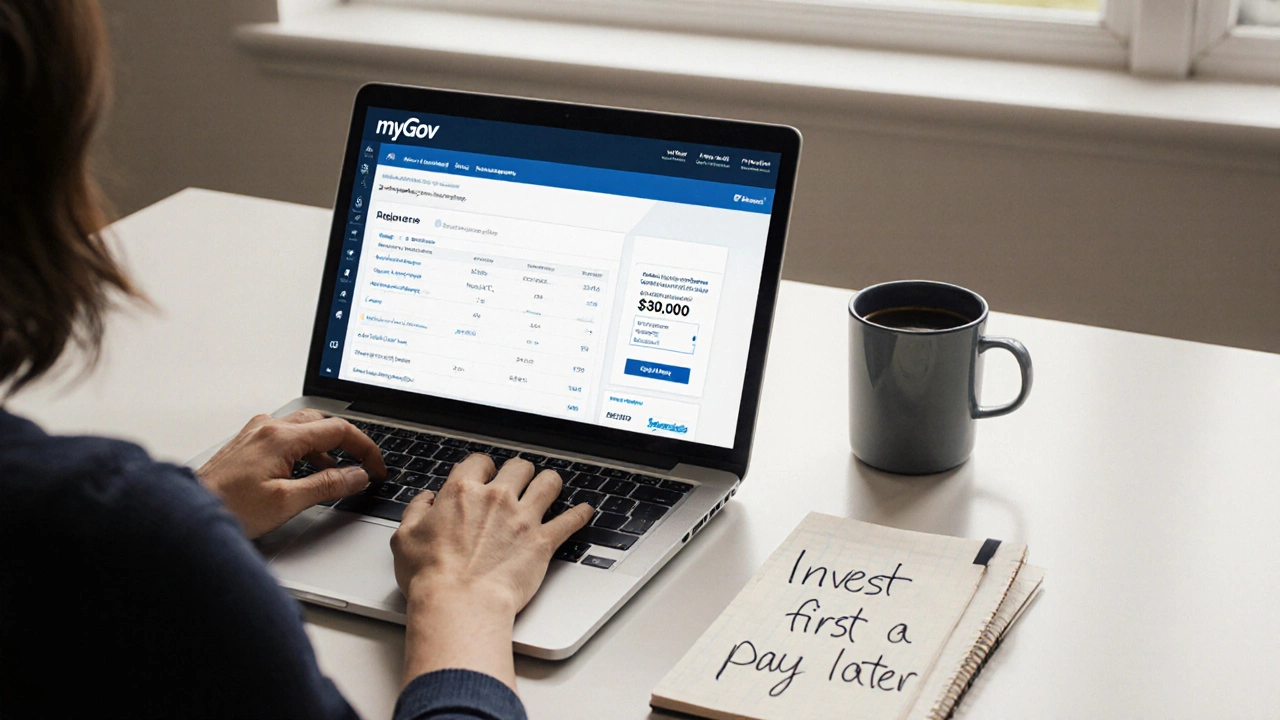

US Debt Relief Eligibility Checker
Answer the questions below to see which real government or legal pathways apply to your situation. This tool helps distinguish between actual federal programs and private marketing claims.
Your Potential Pathways
Next Steps
- Student Loans: Log in to StudentAid.gov to verify repayment plans.
- Taxes: Visit IRS.gov for Form 656 instructions.
- Consumer Debt: Consider non-profit credit counseling via NFCC.
Here is the hard truth that most debt relief commercials won’t tell you: there is no single "magic button" at the federal level that wipes out your personal credit card or medical bills. If you are drowning in unsecured consumer debt, the US government does not have a general bailout program for you. You cannot simply call Washington and ask them to pay off your Visa bill because interest rates went up.
But don't close the tab yet. While a universal "debt wipe" doesn't exist, specific, powerful programs do target certain types of debt. The confusion stems from mixing up student loans with consumer debt, or falling for private companies marketing themselves as government-backed solutions. Let’s break down exactly what the feds actually do, who qualifies, and where the scams hide.
The Big Misconception: Student Loans vs. Consumer Debt
When people hear "government debt relief," they usually think of the massive headlines about student loan forgiveness. And yes, that part is real. But it applies strictly to education-related borrowing. If you took out a Federal Direct Loan for college, you might qualify for Income-Driven Repayment (IDR) plans that forgive remaining balances after 20-25 years of payments.
This is where the distinction matters. The government acts as a lender here, so they can change the terms of their own contracts. They aren't forgiving a third-party debt; they are adjusting their own books. For everything else-credit cards, personal loans, medical bills-the government is not the creditor. They have no direct authority to force a bank to lower your balance unless you enter a specific legal or tax framework.
The IRS Offer in Compromise: A Tax-Specific Lifeline
If your debt involves unpaid federal taxes, the situation changes. The Internal Revenue Service (IRS) offers a program called the Offer in Compromise (OIC). This allows eligible taxpayers to settle their tax debt for less than the full amount owed.
Think of it as a settlement negotiation, not a gift. The IRS will only accept an OIC if they believe they cannot collect the full amount within the statutory period. You have to prove that paying the full debt would cause severe economic hardship. It requires detailed financial disclosures, including income, expenses, assets, and liabilities. Approval rates hover around 40%, meaning more than half of applicants get rejected. It’s rigorous, but for those with significant tax liabilities and low ability to pay, it’s a legitimate path forward.
Federal Student Loan Forgiveness Initiatives
Since the pandemic, the landscape for student debt has shifted dramatically. As of late 2026, several avenues remain active under the Department of Education.
- Public Service Loan Forgiveness (PSLF): If you work for a government agency or non-profit, you can have remaining federal student loan balances forgiven after making 120 qualifying monthly payments. This is tax-free forgiveness.
- Income-Driven Repayment (IDR) Account Adjustment: Recent reforms have allowed borrowers to count periods of deferment or forbearance toward forgiveness timelines, accelerating eligibility for many.
- Total and Permanent Disability Discharge: Borrowers certified as totally and permanently disabled can have their federal student loans discharged entirely.
These programs are robust, but they are siloed. They don't touch your mortgage or your car loan. They are designed specifically to stabilize the workforce and ensure access to higher education.
Beware the "Government Program" Marketing Trap
You’ve seen the ads. "The Government Will Pay Your Credit Card Debt!" These are almost always misleading. Private debt consolidation companies often use phrases like "federal program" or "government-approved" to sound authoritative. In reality, they are selling you a service: they negotiate with your creditors on your behalf for a fee.
Here is how these private settlements work:
- You stop paying your credit card companies directly.
- You deposit money into a dedicated savings account managed by the company.
- The company negotiates a lump-sum payoff with your creditors, often aiming for 40-60% of the original balance.
- Once enough cash accumulates, they send the payment.
The catch? Your credit score takes a hit while accounts are delinquent. Interest continues to accrue. And if the negotiation fails, you still owe the full amount plus fees. The government isn't paying; you are, just later and with more stress.
| Program Type | Who Qualifies? | Impact on Credit Score | Cost/Fees |
|---|---|---|---|
| Student Loan IDR/PSLF | Federal student loan holders | Neutral or Positive (if current) | No upfront fees |
| IRS Offer in Compromise | Taxpayers with inability to pay | Negative during process | $205 application fee + % of offered amount |
| Private Debt Settlement | Unsecured consumer debt ($7.5k+) | Negative (late payments) | 15-25% of enrolled debt |
| Bankruptcy (Ch. 7) | Overwhelming insolvency | Severe Negative (stays 8-10 yrs) | Court/legal fees (~$1,500-$3,500) |
Consumer Protection Agencies: More Than Just Watchdogs
While they don't write checks, agencies like the Consumer Financial Protection Bureau (CFPB) play a critical role in debt management. They enforce rules against predatory lending and unfair collection practices. If a collector is harassing you or violating the Fair Debt Collection Practices Act (FDCPA), filing a complaint with the CFPB can trigger an investigation.
Sometimes, this pressure leads to concessions. Banks may waive fees or agree to lower interest rates to avoid regulatory scrutiny. It’s not a formal "relief program," but it’s a tool in your arsenal. Always check your credit reports through AnnualCreditReport.com to ensure accuracy before negotiating.

State-Level Assistance and Local Resources
Don't overlook state governments. Many states have housing finance agencies or community development corporations that offer emergency assistance for rent or utilities. Some states also provide grants for homeowners facing foreclosure due to high-interest adjustable-rate mortgages.
For example, California’s California Housing Finance Agency (CalHFA) offers various loan products and down payment assistance programs that can indirectly relieve debt pressure by stabilizing housing costs. Check your state’s Department of Banking or Consumer Affairs website for localized initiatives. These are often underfunded and overlooked, but they can be lifelines for specific demographics.
How to Spot a Scam
The debt relief industry is rife with bad actors. Here are three red flags that scream "scam" rather than "government program":
- Upfront Fees: Under the Telemarketing Sales Rule, legitimate debt settlement companies cannot charge fees until they successfully reduce your debt and you make the first payment to the creditor. If they want $500 today to "start the file," walk away.
- Guaranteed Results: No one can guarantee a 50% reduction in your credit card balance. Creditors are businesses; they decide whether to accept a settlement.
- Pressure Tactics: If they tell you bankruptcy is your only option or that you’ll lose your house next week without signing their contract immediately, they are likely prioritizing their commission over your financial health.
Practical Steps to Take Today
If you are overwhelmed by debt, start with clarity, not action. First, categorize your debts. Separate federal student loans from private ones. List all unsecured debts (cards, medical). Note any tax liabilities.
Next, contact your servicers directly. Ask about hardship programs. Many banks have internal options for temporary interest rate reductions or deferred payments that they don't advertise. For student loans, log in to StudentAid.gov to verify your repayment plan status.
Finally, consider professional advice. Non-profit credit counseling agencies, such as those affiliated with the National Foundation for Credit Counseling (NFCC), offer free or low-cost budgeting help. They can help you build a Debt Management Plan (DMP), which consolidates payments and lowers interest rates, often without the negative credit impact of settlement.
Does the US government pay off credit card debt?
No, the federal government does not have a program that pays off individual citizens' credit card debt. Ads suggesting otherwise are typically marketing private debt settlement services. The government focuses on student loans and tax debt.
What is the IRS Offer in Compromise?
It is a program that lets taxpayers settle their federal tax debt for less than the full amount owed. Eligibility depends on your ability to pay, income, expenses, and asset equity. It requires a rigorous application process and an application fee.
Can I get my student loans forgiven?
Yes, if you have federal student loans. Options include Income-Driven Repayment (IDR) plans, Public Service Loan Forgiveness (PSLF) for public sector workers, and disability discharges. Private student loans generally do not qualify for government forgiveness.
Is debt settlement better than bankruptcy?
It depends on your total debt load. Bankruptcy (Chapter 7) can discharge most unsecured debts quickly but stays on your credit report for 7-10 years. Debt settlement takes longer, hurts your credit via missed payments, and carries tax implications on forgiven amounts, but avoids the bankruptcy stigma.
How do I avoid debt relief scams?
Avoid companies charging upfront fees. Be skeptical of guaranteed results. Verify the company's reputation with the Better Business Bureau and check if they are accredited by the International Association of Professional Debt Arbitrators (IAPDA).