
Bad Credit Loan Cost Comparator
Not all loans are created equal. See the difference in total cost between specialist lenders, secured options, and guarantor setups.
Loan Details
Guarantor / Secured
Best DealRepay over 24 months
$0
Monthly Repayment:
$0/mo
Typically ~8-10% APR.
Lowers risk by using collateral.
Specialist Personal
Medium RiskRepay over 24 months
$0
Monthly Repayment:
$0/mo
Typically ~20-28% APR.
Easier approval, no guarantor.
Payday / Small Dollar
Extreme CostShort term (High Fee)
$0
Total Fees:
$0
Often $300+ per month.
Risk of debt trap is highest here.
Is getting a loan with a 450 credit score possible?
The short answer is yes, but it comes with significant caveats. Having a Credit Score of 450 places you in a very high-risk category for most financial institutions. While major banks will almost certainly decline your application, specialist lenders exist who cater to subprime borrowers. However, you should understand that "getting approved" doesn't mean "getting the best deal." In fact, it often means paying much higher interest rates.
Understanding what a 450 credit score means
To make smart decisions, you need to understand where that number sits on the scale. Most credit reporting bureaus use ranges that classify scores similarly, even if the maximums differ slightly. In Australia, where we operate under frameworks set by bodies like Equifax and Experian, a score below 500 is generally considered "Poor" or "Very Poor."
A 450 score usually signals one or more serious red flags to lenders. These often include:
- Recent Defaults: You may have missed payments on previous debts by over 60 days.
- High Utilization: Your credit cards or lines of credit might be maxed out, showing financial strain.
- Limited History: Paradoxically, having too little credit history can sometimes keep scores lower because algorithms lack enough data to trust you.
- Public Records: In severe cases, past bankruptcies or court judgments might appear on your file.
Loan options actually available to you
When traditional paths are closed, you have to pivot to niche markets. Here are the specific avenues that remain open for someone with a score in the 400s.
1. Secured Personal Loans
This is often your strongest option. A Secured Personal Loan requires collateral-usually something you own, like a car or cash savings. Because the lender can seize the asset if you default, they are willing to overlook the poor Credit Score. The trade-off is clear: if you stop paying, you lose the asset. However, this route offers much lower interest rates compared to unsecured alternatives.
2. Guarantor Loans
If you have a family member or close friend with good credit and income, they can co-sign for you. This is effectively using their reputation to vouch for yours. In a guarantor setup, the lender looks primarily at the guarantor’s financial standing. Be warned: asking someone to put their assets on the line for a 450-score applicant is a heavy favor. Only pursue this if you have a solid plan to repay and maintain transparency.
3. Specialist Bad Credit Lenders
There are non-bank lenders specifically licensed to handle subprime applications. They assess borrowers holistically rather than relying solely on the number. They look heavily at your current income and capacity to repay. While approved easier than banks, their fees and Annual Percentage Rates (APR) will be substantially higher to offset their risk.
| Loan Type | Approval Likelihood | Interest Rate Risk | Asset Risk |
|---|---|---|---|
| Major Bank Loan | Extremely Low | Standard | None |
| Unsecured Payday Loan | High | Extreme | Financial Stability |
| Secured Loan | Medium-High | Low-Medium | Collateral Loss |
| Guarantor Loan | Medium-High | Low | Relationship Strain |
The danger of payday and small dollar loans
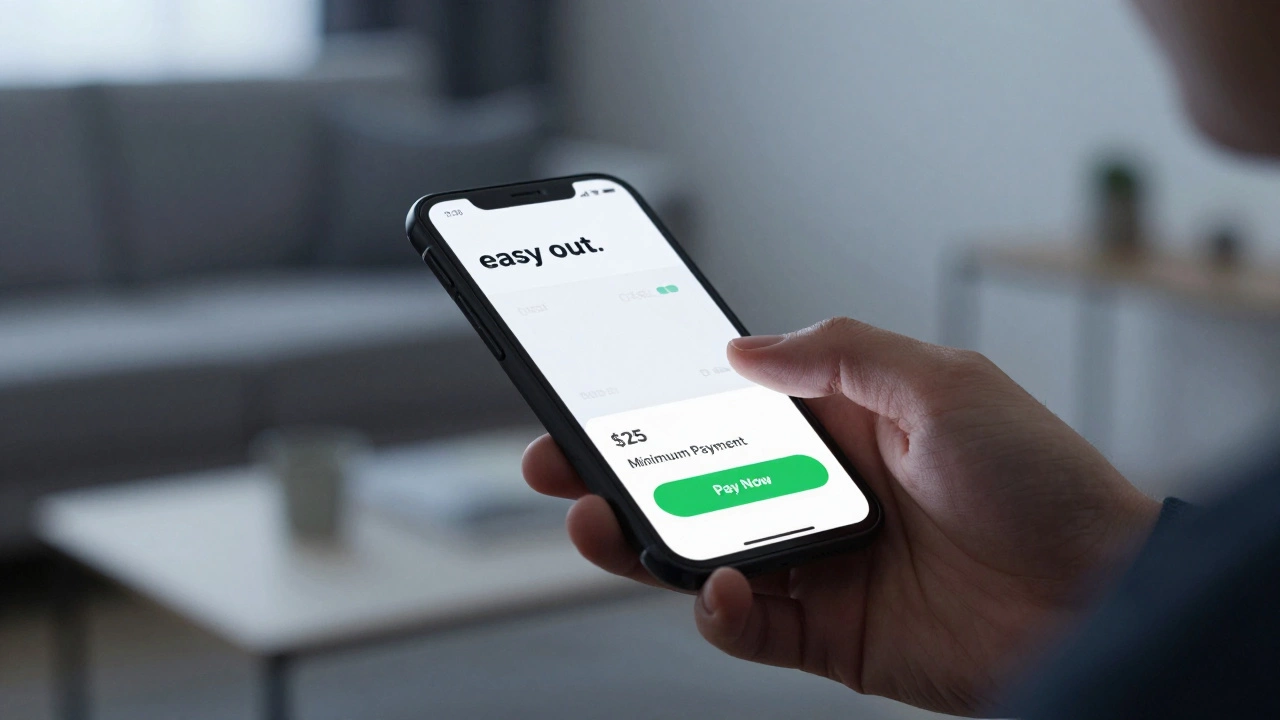
It is tempting to go straight to a payday lender when you see "no questions asked" or "instant approval" ads online. These are designed for people with damaged credit. However, in the current regulatory environment (NCCP guidelines), even these loans must pass affordability checks. While some may accept a 450 score, the cost of borrowing here can be astronomical.
You could end up in a cycle of debt where you take a loan to pay off the old one, accumulating fees that dwarf the original principal. This is known as the "debt trap." If you choose this path, limit yourself to a single, short-term bridge until you can stabilize your finances, not a long-term funding solution.
What lenders check beyond the score
Since your credit history is currently working against you, you need to lean heavily into your proof of income and current stability. Lenders looking at subprime applicants want reassurance that this is a temporary blip. Prepare the following documents meticulously:
- Bank Statements: Three to six months of statements showing regular deposit flows and responsible bill payments.
- Employment Verification: Proof of steady work. Freelancers or casual workers face tougher scrutiny due to variable income.
- Debt Servicing Ratio: They will calculate how much of your paycheck goes toward existing debt. Keeping this ratio below 50% helps immensely.
- Utility Bills: Evidence that you live at the address provided and pay rent or electricity on time.

Risks you need to factor in
Accepting a loan with a low credit score involves accepting high costs. Beyond just high interest rates, you should be aware of the hidden dangers:
- Default Triggers: Many bad credit contracts have strict clauses. One late payment can trigger a default notice, further damaging an already fragile credit report.
- Fraud Vulnerability: Desperate applicants are targets for scams. Legitimate lenders will never ask for money upfront before giving you the loan. If they ask for fees via gift cards or Western Union, walk away immediately.
- Psychological Stress: High repayments can cause anxiety. Calculate your budget carefully to ensure you aren't sacrificing essentials like food or medicine.
Steps to improve your chances now
Even with a 450 score, you can start moving the needle immediately. Every small win counts towards rebuilding trust with the financial system.
Register on White Lists: Some credit repair agencies help dispute inaccuracies on your report. If there are genuine errors-like a debt paid off but marked outstanding-having them corrected can boost your score rapidly.
Settle Outstanding Debts: If you have accounts in collections, negotiate a settlement. Getting a "paid" status next to a default is better than an open balance.
Use Small Credit Lines: Open a small credit card with a secured provider. Use it for a monthly subscription like Netflix, and pay it off in full every month. Consistent on-time repayment demonstrates behavior change to algorithmic scoring models.
Alternatives to formal loans
Sometimes the best loan is no loan at all. Before signing with a subprime lender, explore community-based assistance. In Brisbane and surrounding areas, various charities offer hardship grants or utility bill assistance. Additionally, approaching your landlord or service providers to arrange a repayment plan can free up cash flow without adding new interest obligations to your life. Non-profit organizations can also provide counseling to help you navigate debt recovery.
Will applying for multiple loans hurt my credit score further?
Yes, each hard inquiry leaves a mark on your file. Multiple rejections within a short period can signal desperation to other lenders. Focus on pre-approval assessments first, or choose just one strong application to submit.
Are there loans for people with a 450 score in 2026?
Yes, specialist non-bank lenders and credit unions still operate for subprime borrowers. However, stricter National Consumer Credit Protection rules in 2026 mean you must prove your ability to repay, even with poor credit.
Can a guarantor help bypass a low credit score?
Absolutely. A guarantor acts as a safety net. If you fail to pay, they become liable. Their strong credit profile offsets your low score, often qualifying you for better interest rates than standard bad credit loans.
How long does it take to raise a credit score from 450 to good?
It depends on the severity of the issues. Removing negative information can take years (often 7+ for serious defaults). However, establishing new positive payment behavior can show improvements within 3 to 6 months of consistent repayment.
Is it safer to borrow from friends or a payday lender?
Borrowing from friends has no legal paperwork usually, but risks relationships. Payday lenders are legally bound by usury caps but charge exorbitant fees. Generally, a formal agreement with a family member is financially cheaper but emotionally riskier.