Savings vs Checking Growth Calculator
See how much you lose by leaving idle cash in a checking account compared to letting it grow in a high-yield savings account.
Checking Account
0.01% InterestHigh-Yield Savings
4.5% APYYou have a paycheck coming in. You’ve paid your rent, covered groceries, and settled the electricity bill. Now you’re left with a chunk of cash sitting in your bank app. Do you leave it there for easy access, or do you move it somewhere else? This is the classic dilemma between keeping money in a savings account versus a checking account.
The short answer is that they serve two completely different jobs. One is for spending; the other is for growing. Mixing them up usually means you end up paying more in fees or earning less in interest than you should. Let’s break down exactly how each works so you can stop guessing and start optimizing your cash flow.
The Checking Account: Your Financial Hub
Think of your checking account as your wallet on steroids. It is designed for movement. When you get paid, the money lands here. When you pay bills, swipe your debit card, or transfer funds to a friend, it leaves from here. The primary feature of a checking account is liquidity-meaning you can get your hands on that money instantly, without waiting periods or penalties.
In Australia, where I’m based in Brisbane, we call these transaction accounts. They are incredibly convenient. You can link them to Apple Pay, set up direct debits for Netflix, and withdraw cash from any ATM. But convenience has a cost. Most standard checking accounts pay zero percent interest. In fact, some banks charge monthly maintenance fees if you don’t keep a certain balance or make a minimum number of transactions. If you park $5,000 in a checking account for a year, you still have $5,000. You haven’t lost money to fees, but you’ve definitely lost money to inflation.
The Savings Account: Where Money Grows
Now look at the savings account. Its job is not to be touched. It is designed to sit still. While your money rests there, the bank pays you interest for lending them your cash. In today’s economic climate, those interest rates matter more than ever. While checking accounts stagnate, savings accounts compound.
Let’s talk numbers. Imagine you have $10,000 to save. If you put it in a basic savings account with a 0.01% interest rate, you’ll earn about $1 by the end of the year. That barely covers a coffee. But if you move that same $10,000 into a high-yield savings account offering 4.5% APY (which is common among digital banks in 2026), you’ll earn $450. That’s free money just for leaving your cash alone. Over five years, thanks to compound interest, that gap widens dramatically. The key difference is accessibility. Savings accounts often have limits on how many withdrawals you can make per month, or they require you to keep the money untouched for a period to qualify for the top interest tier.
Key Differences: A Side-by-Side Look
To see why you shouldn’t mix these two, let’s compare their core attributes. This table highlights why using a checking account for long-term storage is a financial leak.
| Feature | Checking Account | Savings Account |
|---|---|---|
| Primary Purpose | Daily transactions & bill pay | Long-term storage & growth |
| Interest Rate | 0% - 0.01% | 3.5% - 5.0% (High Yield) |
| Access Frequency | Unlimited | Limited (often 6 withdrawals/month) |
| Fees | Monthly maintenance possible | Rarely charged (especially online) |
| Best For | Payroll, groceries, utilities | Emergency fund, vacation, big purchases |
The "Two-Account" Strategy
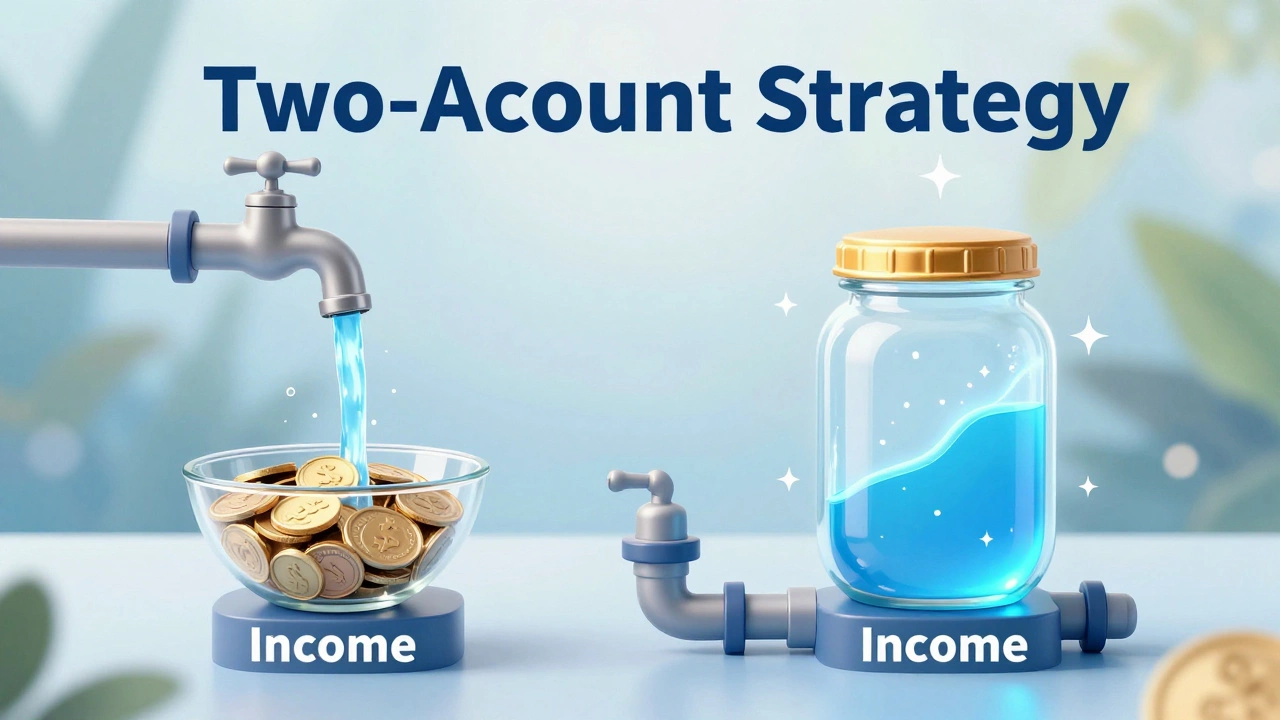
So, which one is better? Neither. You need both. The mistake most people make is treating their checking account as a catch-all bucket. They dump their salary in there, leave the excess cash sitting idle, and then wonder why they aren’t building wealth. The solution is a simple workflow that separates your spending money from your saving money.
Here is how you set it up:
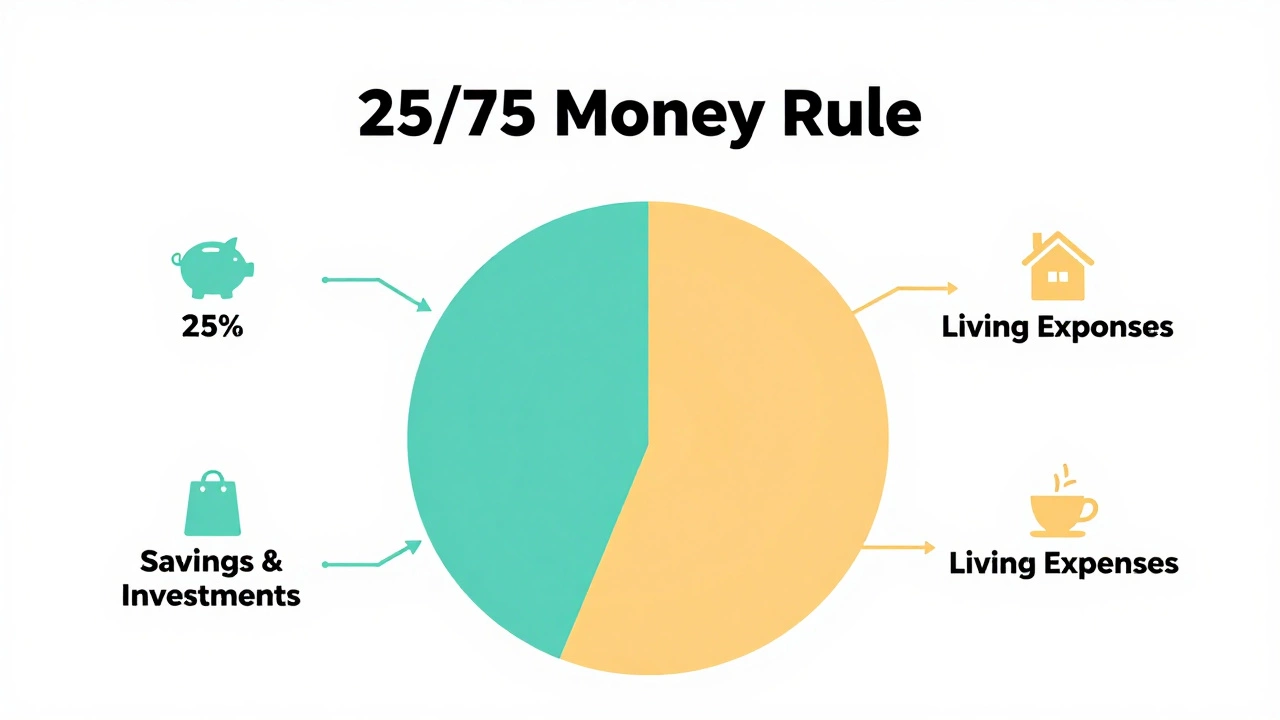
- Automate Your Income: Set up your direct deposit to split. Send 70-80% of your paycheck to your checking account and the remaining 20-30% directly to your savings account. Out of sight, out of mind.
- Cover Daily Expenses: Use your checking account exclusively for bills, subscriptions, and discretionary spending. If your checking account hits zero before payday, you know you overspent. If it has leftover cash at the end of the month, transfer it to savings.
- Build Specific Goals: Don’t just have one generic savings account. Create separate savings buckets for different goals. Label one "Emergency Fund," another "Holiday Trip," and another "Car Repair." This psychological trick makes it harder to dip into your emergency cash for a new pair of shoes.
This strategy leverages the strengths of both accounts. Your checking account remains liquid and fee-free because you only keep what you need for the next 30 days in it. Your savings account grows because the bulk of your income is sitting in a high-interest environment, compounding daily.
When to Break the Rules
There are exceptions. Sometimes, the line blurs. For example, if you are saving for a house down payment and you plan to buy within six months, you might want to keep that money in a high-yield savings account but ensure it’s easily accessible. Some banks offer "money market accounts" which sit somewhere in the middle-they offer decent interest like a savings account but allow check-writing privileges like a checking account.
Also, consider your banking relationship. If you use a large traditional bank, they might offer a "relationship bonus" where you get higher interest on your checking account if you hold a certain amount across all your accounts. In this case, keeping a larger balance in checking might make sense, but only if the interest rate competes with standalone savings accounts. Always read the fine print. Many promotional rates drop after six months.

Avoiding Common Pitfalls
One major trap is overdraft protection. Banks will often cover a transaction in your checking account even if you don’t have enough money, charging you a hefty fee (often $25-$35 per incident). To avoid this, link your savings account to your checking account for automatic overdraft coverage. This way, if you accidentally overspend, the bank pulls from your savings instead of charging you a penalty fee. Yes, you lose a tiny bit of interest on that transferred amount, but it’s far cheaper than an overdraft fee.
Another pitfall is ignoring inflation. If your savings account pays 1% interest but inflation is running at 3%, you are technically losing purchasing power. This is why choosing a high-yield savings account is critical in 2026. Don’t settle for the default account your employer sets up for payroll. Shop around. Digital-only banks often have lower overhead costs, allowing them to pass higher interest rates on to you.
Final Thoughts on Cash Management
Your money should work for you, not just sit there. By clearly defining the role of your checking account as a transaction hub and your savings account as a growth engine, you create a system that reduces stress and increases wealth. Start by auditing your current balances. How much cash is sitting idle in checking? Move it. Set up an auto-transfer. Watch the interest accumulate. It’s not rocket science, but it is the foundation of solid personal finance.
Should I keep my emergency fund in checking or savings?
You should keep your emergency fund in a high-yield savings account. While you need quick access to this money, you also want it to grow. A savings account offers better interest rates than checking. Ensure the account allows easy transfers to your checking account in case of an actual emergency, avoiding any withdrawal penalties.
Do checking accounts really pay no interest?
Most standard checking accounts pay little to no interest, often 0.01%. However, some premium or business checking accounts may offer small interest rates if you maintain a very high balance. Generally, the interest earned is negligible compared to what you could get in a dedicated savings account.
What is the difference between a savings account and a certificate of deposit (CD)?
A savings account allows you to withdraw money at any time (with some limits), while a Certificate of Deposit (CD) locks your money away for a fixed term, such as 6 months or 5 years. CDs typically offer higher interest rates than savings accounts because you sacrifice liquidity. Use CDs for money you are certain you won't need until the term ends.
Is it safe to keep all my money in one bank?
In Australia, deposits are generally protected up to AUD 250,000 per depositor per authorized deposit-taking institution (ADI) by the Australian Government Guarantee Scheme. If you have more than this amount, consider splitting your funds across multiple banks to ensure full coverage. Always verify that your bank is an ADI.
How often should I review my account fees?
You should review your account fees at least once a year. Banks frequently change their fee structures, interest rates, and requirements for fee waivers. If your life circumstances have changed-for example, you now earn more or spend less-you might qualify for a premium account with better benefits, or you might find a cheaper provider that suits your current needs.