
Credit Card Acceptance Checker
Where will your card work?
If you’ve ever been turned down at a small shop, gas station, or local restaurant because your card didn’t work, you know how frustrating it is. You’re not alone. Many people assume their favorite credit card is universal - until it isn’t. The truth? Not all credit cards are created equal when it comes to where they’re accepted. If you’re trying to figure out which card will get you through every checkout, whether you’re traveling across the country or just grabbing coffee downtown, the answer isn’t as simple as picking the one with the best rewards.
Visa and Mastercard Dominate Global Acceptance
When it comes to being accepted almost everywhere, Visa and Mastercard are the clear winners. Together, they’re accepted at over 99% of merchants that take credit cards in the United States, Canada, the UK, Australia, and most of Western Europe. That’s not a guess - it’s based on data from the Federal Reserve and payment network reports from 2024.
Why? Because these two networks have spent decades building relationships with every type of merchant, from big-box retailers to family-owned diners. A small-town hardware store in rural Kansas? They take Visa. A street vendor in Tokyo selling ramen? They take Mastercard. Even in places where local payment systems dominate, like China’s UnionPay, Visa and Mastercard still have partnerships that let foreign travelers use their cards.
Visa and Mastercard aren’t just widely accepted - they’re the default. When a business signs up to accept credit cards, the first thing they’re asked is: “Do you want to accept Visa and Mastercard?” The answer is almost always yes. No other network comes close.
American Express and Discover? Not So Much
American Express and Discover are often marketed as premium options - better rewards, higher status, exclusive perks. But when it comes to acceptance, they fall behind. In the U.S., Amex is accepted at about 85% of merchants. That sounds good - until you realize that means 1 in 7 places won’t take it. Think independent hotels, local pharmacies, farmers markets, and small repair shops. Even some major chains like Costco in the U.S. don’t accept Amex (they have their own card deal with Visa).
Discover is even more limited. While it’s accepted at most places in the U.S. thanks to its partnership with American Express, it’s almost invisible outside the country. If you’re traveling to Europe, Asia, or Latin America, Discover cards will likely be rejected. Many ATMs won’t recognize them. Gas pumps abroad? Forget it.
And here’s the kicker: even if a merchant says they accept Amex or Discover, they might charge you extra. Some small businesses pay higher fees to process Amex transactions, so they slap on a surcharge. You might not see it until you’re at the register.
Why Does Acceptance Matter More Than Rewards?
A lot of people pick credit cards based on points, cash back, or travel perks. But if your card gets declined at the airport, the hotel front desk, or the rental car counter, those rewards don’t mean much. I’ve seen travelers stranded overseas because they only carried an Amex card - and no cash. They didn’t realize Amex isn’t widely accepted in places like India, Brazil, or even parts of Eastern Europe.
Acceptance isn’t just about convenience - it’s about security. If you’re traveling and your card gets lost or stolen, you need to be able to replace it quickly. Visa and Mastercard have global support networks. If you’re stuck in a small town in Portugal and your card stops working, you can walk into a bank and get a replacement within hours. Amex? Good luck.
Even in Australia - where I live - Visa and Mastercard are used in 94% of all card transactions. Amex is only at 12%. That’s not because Australians don’t like Amex. It’s because most businesses simply don’t have the infrastructure to support it.
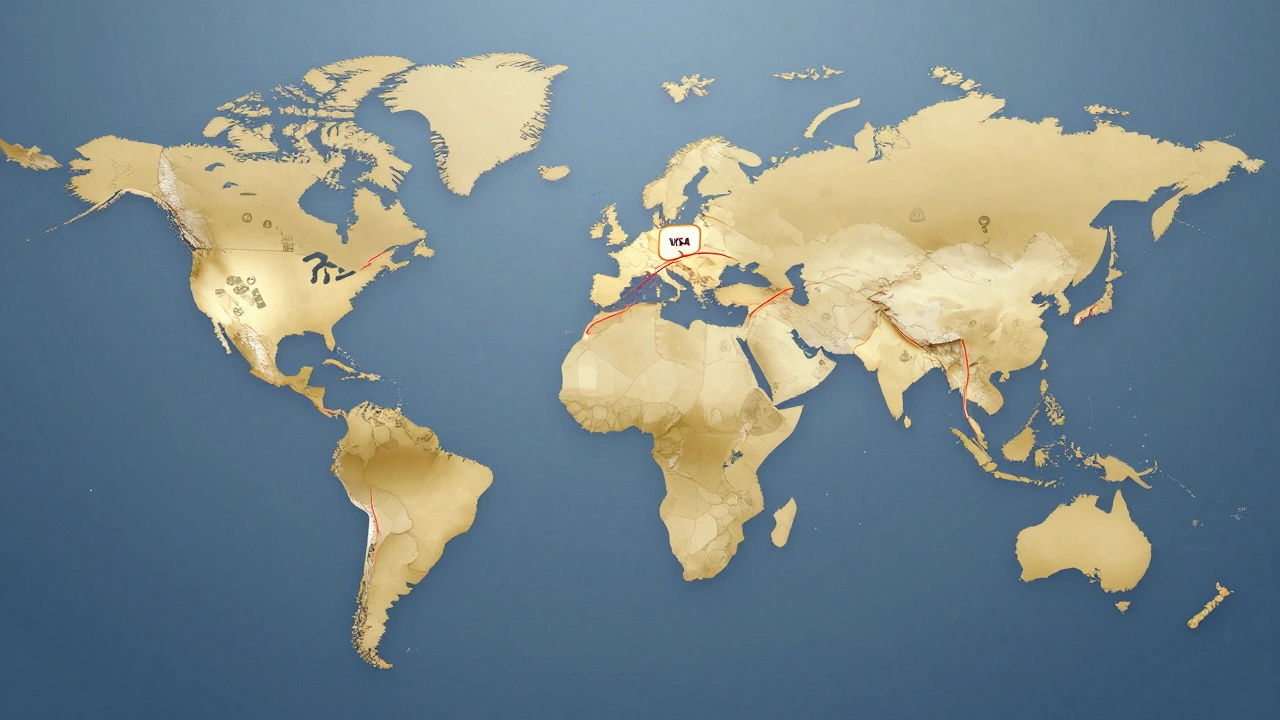
What About UnionPay, JCB, or Other Networks?
If you’re traveling to China, UnionPay is king. It’s accepted at nearly every ATM, store, and online retailer in the country. But if you’re going to France, Italy, or Canada, UnionPay won’t work in most places unless the merchant specifically signs up for it. Same with JCB in Japan - it’s dominant locally but nearly useless elsewhere.
These networks are great if you’re staying in one country. But if you’re flying around the world, they’re not reliable backups. Relying on UnionPay as your only card outside China is like bringing a flip phone to a smartphone war.
What’s the Best Card to Carry?
Here’s the simple rule: carry at least two cards. One Visa or Mastercard as your primary. And one backup - ideally another Visa or Mastercard from a different bank.
Why two? Because cards get blocked. Banks freeze cards if they see unusual spending. Maybe you booked a hotel abroad, and your bank thinks it’s fraud. Or your card chip wears out. Or you lose it. If you only have one card and it’s declined, you’re stuck.
Don’t rely on Amex as your backup unless you’re staying in the U.S. or Canada. Don’t bring Discover unless you’re only traveling domestically. And never travel internationally with only one card - no matter how good the rewards are.
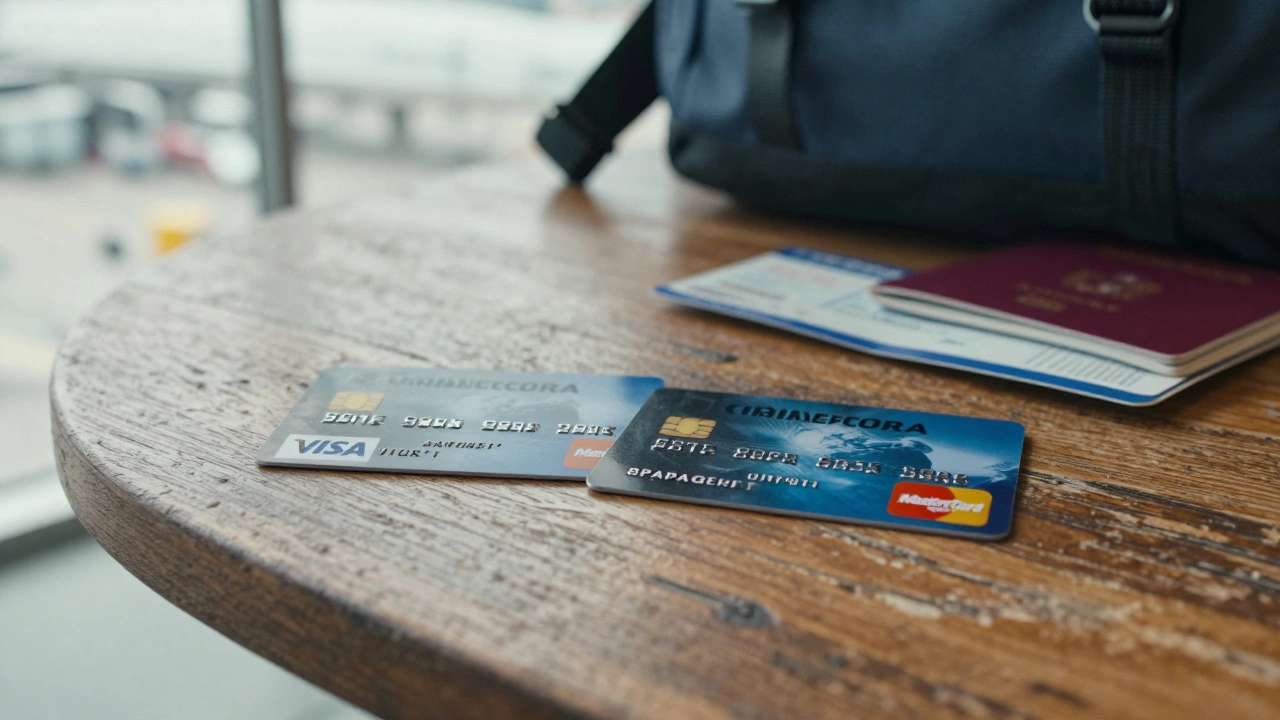
What About Contactless and Mobile Payments?
Apple Pay, Google Pay, and Samsung Pay are changing the game. But here’s the catch: they still rely on the underlying card network. If you add an Amex card to Apple Pay, it still only works where Amex is accepted. The contactless symbol doesn’t change the network rules.
So if you’re using Apple Pay with a Visa card, you’re getting the same acceptance as if you swiped the physical card. Same with Mastercard. The technology makes payments faster, but it doesn’t make the card more widely accepted.
Bottom Line: Visa and Mastercard Win - Always
There’s no magic card that beats Visa and Mastercard in global acceptance. No matter how flashy the rewards, no matter how high the credit limit, if your card isn’t Visa or Mastercard, you’re taking a risk.
Choose a Visa or Mastercard with low foreign transaction fees if you travel. Look for cards with no annual fee if you don’t use the perks. And always carry a backup. Even the best card can fail - but if you’ve got two Visa cards, you’re covered almost everywhere on earth.
It’s not about prestige. It’s about practicality. The most accepted credit card isn’t the one with the fanciest logo - it’s the one that works when you need it most.