UK ISA Eligibility Checker
Answer the questions below to determine if you can open a new ISA or manage an existing one.
Result
You’ve heard the buzz about Individual Savings Accounts (ISAs) being the holy grail of British personal finance. You want in on that tax-free interest and capital gains protection. But then a nagging question pops up: Do you need a British passport to open one? The short answer is no, but the long answer involves a specific type of visa, a National Insurance number, and a clear understanding of what HMRC considers "resident." If you’re an expat, a student from abroad, or planning to move to the UK, getting this wrong could mean your hard-earned savings get hit with unexpected taxes.
The Passport Myth vs. Tax Reality
Let’s bust the biggest myth right away: citizenship does not determine your ISA eligibility. It’s residency. You could be a citizen of Canada, Australia, or Japan, living in London, and still qualify for an ISA. Conversely, you could hold a British passport, live in Spain for six months, and find yourself ineligible or facing complex reporting issues. The core requirement isn’t who you are legally; it’s where you pay your taxes. An ISA is essentially a government incentive for people contributing to the UK economy through income tax. If you aren’t paying UK income tax, you generally don’t get the reward.
This distinction trips up many people because other countries’ savings accounts often tie eligibility strictly to nationality or permanent residency status. In the UK, the system is more fluid but also stricter on tax compliance. The account provider doesn’t check your birth certificate; they check your address and your tax status. This means if you move out of the UK, your eligibility changes immediately, even if you keep your passport.
Defining UK Resident for Tax Purposes
To open an ISA, you must be a UK resident for tax purposes. This sounds straightforward, but HMRC uses a detailed set of criteria known as the Statutory Residence Test (SRT). You don’t just decide you’re a resident; you have to meet specific conditions based on how many days you spend in the UK during the tax year (which runs from April 6 to April 5).
Generally, if you spend 183 days or more in the UK in a tax year, you are automatically considered a resident. However, you can also be a resident with fewer days if you have significant ties to the UK, such as family, accommodation, or work. For most people working full-time in the UK, residency is automatic. But for those splitting time between countries, like digital nomads or remote workers, it gets tricky. If you are not resident for tax purposes, you cannot open a new ISA, though you might be able to keep existing ones under certain conditions.
| Scenario | UK Resident? | Can Open New ISA? | Notes |
|---|---|---|---|
| Citizen living in UK | Yes | Yes | Standard eligibility. |
| Non-citizen with work visa in UK | Yes | Yes | Requires NI number and UK address. |
| UK Citizen living abroad permanently | No | No | Cannot open new ISAs; existing ones may freeze contributions. |
| Student from EU studying in UK | Usually Yes | Yes | Must prove UK residence and tax liability. |
| Short-term tourist/visitor | No | No | Not liable for UK income tax typically. |
What Non-Citizens Need to Qualify
If you’re not a UK citizen, you’ll need three key things to satisfy any bank or building society when applying for an ISA. First, you need a valid UK residential address. P.O. boxes usually don’t count; providers want to know you actually live there. Second, you need a National Insurance (NI) number. This is crucial because it links your identity to your tax records. Without an NI number, you can’t prove you’re part of the UK tax system. Third, you must confirm you are not a tax resident in another country that has a double taxation agreement preventing you from claiming UK benefits, although this is rare for standard savers.
Many banks ask for proof of these details. They might request utility bills, tenancy agreements, or payslips. If you’ve just arrived in the UK, getting an NI number can take a few weeks, so plan ahead. Some digital banks are more flexible than high-street giants, sometimes allowing applications while your NI number is pending, provided you show proof of application and right to reside.
Special Cases: Students and Temporary Workers
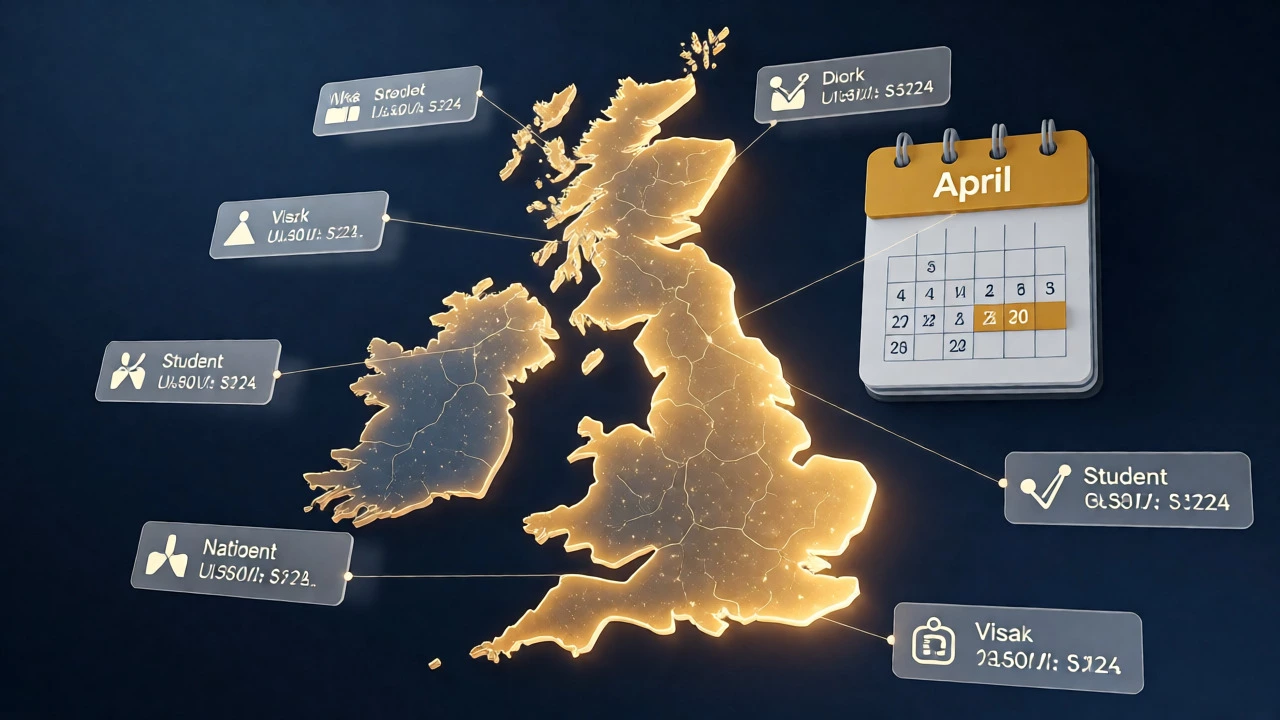
International students are a common group asking this question. If you are studying in the UK on a Tier 4 (or Student Route) visa, you are likely a UK tax resident if you spend enough time here. As long as you earn income in the UK (even part-time jobs) and pay tax, you can open an ISA. It’s a great way to save money without losing a chunk to tax. However, once you graduate and leave the UK, you stop being eligible for new subscriptions. You can’t top up your Cash ISA after the tax year ends if you’re no longer resident.
Temporary workers on fixed-term contracts face similar rules. If your contract makes you a UK resident for tax purposes, you qualify. The catch comes when you leave. Many people assume their ISA travels with them indefinitely. It doesn’t. While you can keep the account open, you cannot make new deposits in future tax years once you cease to be a UK resident. This is a critical financial planning point if you plan to return to your home country eventually.
Living Abroad: What Happens to Your Existing ISA?
So, you opened an ISA while living in the UK, paid your taxes, and now you’re moving to Dubai or Florida. What happens? You do not lose the account. Your existing Cash ISA remains open, and the interest continues to accrue tax-free within the UK wrapper. However, you cannot contribute new money to it in subsequent tax years. If you try to deposit funds after becoming a non-resident, the bank will likely reject the transaction or treat it as a taxable deposit.
There is a nuance for Stocks and Shares ISAs. While you can’t add new funds, you can still buy and sell assets within the existing allowance using the cash already inside the account. But remember, your new country of residence might view that interest differently. The UK won’t tax it, but France or Germany might consider it foreign income and tax it accordingly. Always check local laws before relying on your UK ISA as a primary savings vehicle abroad.

Common Pitfalls and How to Avoid Them
The biggest mistake people make is assuming eligibility lasts forever. Another common error is providing incorrect tax residency information to the bank. Banks report account details to HMRC. If you claim residency but HMRC determines you weren’t resident during the subscription year, you might face penalties or have to repay the tax relief. Honesty and accuracy are vital.
Also, beware of "non-resident" accounts marketed by some offshore providers. These are not ISAs. They are regular savings accounts held offshore. They lack the specific UK tax wrapper benefits. Don’t confuse marketing terms with legal definitions. If it’s not labeled explicitly as an Individual Savings Account regulated by UK law, it’s not an ISA.
Key Takeaways
- Residency trumps citizenship: You don’t need a UK passport, just UK tax residency.
- National Insurance Number is mandatory: No NI number, no ISA for non-citizens.
- Moving abroad freezes contributions: You can keep the account but can’t add new money after leaving.
- Students qualify: International students earning UK income can open ISAs.
- Tax obligations shift: Your new country may tax ISA earnings even if the UK doesn’t.
Can I open an ISA if I am not a UK citizen?
Yes, absolutely. Citizenship is not a requirement. You only need to be a UK resident for tax purposes, which typically means you spend 183 days or more in the UK or have strong ties like work and housing. You will need a National Insurance number and a UK address to apply.
Do I need a National Insurance number to open an ISA?
For most applicants, yes. Banks use your National Insurance number to verify your identity and link your account to your tax record. If you are waiting for your number, some digital banks may allow you to start the application process, but you will need to provide it eventually to complete the setup.
What happens to my ISA if I move abroad?
You can keep your existing ISA open, and it will continue to grow tax-free within the UK system. However, you cannot make new contributions in future tax years once you are no longer a UK resident. Your new country of residence may tax the interest or gains earned in the ISA.
Can international students open an ISA?
Yes, if they are UK residents for tax purposes. This usually applies if they study and work in the UK for a significant portion of the tax year. They must have a UK address and a National Insurance number to apply.
Is an ISA better than a normal savings account for foreigners?
If you are a UK tax resident, yes. The main benefit is that interest earned is free from UK Income Tax. A normal savings account charges tax on interest above the Personal Savings Allowance. For higher-rate taxpayers, the ISA saves significant money annually.