
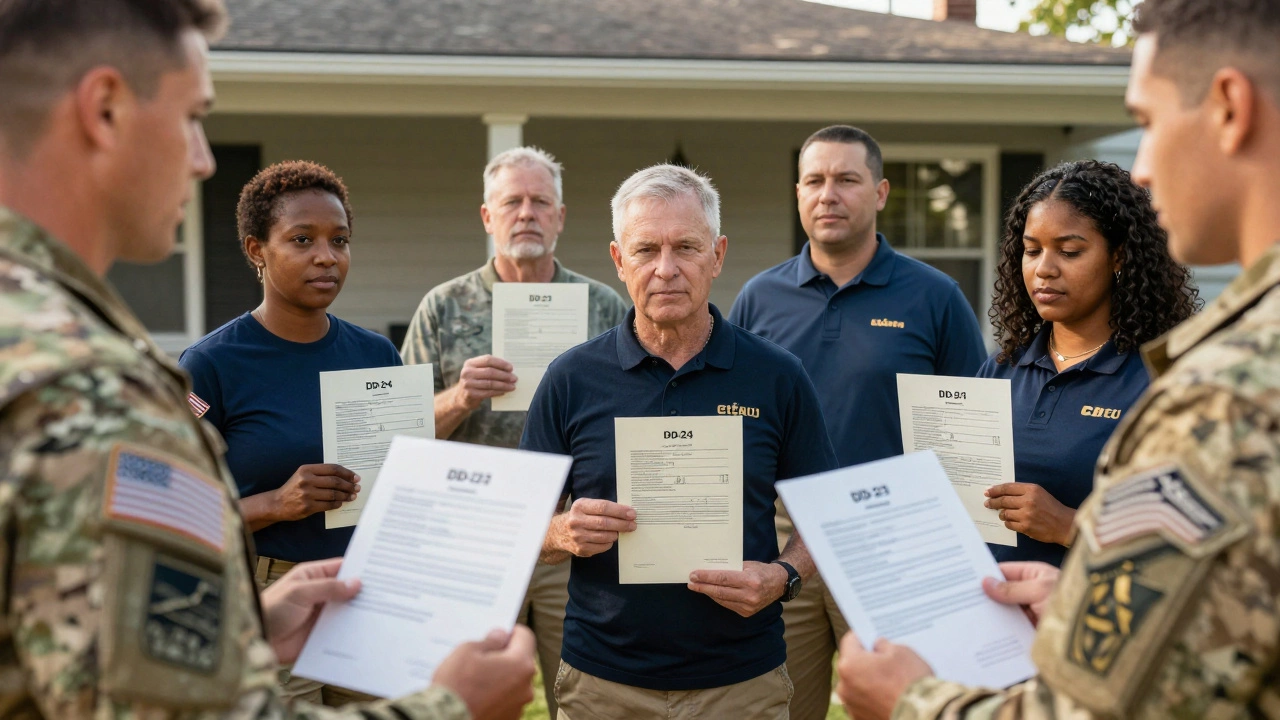
USAA home insurance isn't available to everyone. If you're wondering whether you can get coverage, the answer starts with one simple question: Are you connected to the U.S. military? That’s the only gatekeeper. USAA was built for military families, and it still is. No exceptions. No gray areas. If you don’t meet their membership criteria, you won’t qualify - no matter how clean your credit score is or how long you’ve lived in your home.
Who Exactly Can Get USAA Home Insurance?
USAA opens its doors to a very specific group of people. You qualify if you fall into one of these categories:
- Active-duty U.S. military members (Army, Navy, Air Force, Marines, Coast Guard, Space Force)
- Reserve or National Guard members currently serving
- Retired military personnel with honorable discharge
- Former military members who served on active duty and were honorably discharged
- Spouses of eligible members - even if you never served yourself
- Children of eligible members - as long as they’re under 25 or in college full-time
- Surviving spouses of deceased members who were eligible at the time of death
That’s it. No civilian spouses of military retirees who divorced? Not eligible. A parent who served 20 years ago but didn’t get an honorable discharge? Not eligible. A friend of a service member? Nope. USAA doesn’t offer discounts or exceptions based on loyalty, length of service, or how much you’ve paid in premiums. It’s strictly about eligibility.
What If You’re Not in the Military But Live With Someone Who Is?
You might be living in a home owned or rented by someone who qualifies - maybe your partner, your adult child, or even your in-laws. That doesn’t automatically make you eligible. USAA requires the policyholder to be the one who qualifies. You can be listed as a named insured on the policy if you live in the same household, but you can’t be the primary policyholder unless you meet the military criteria yourself.
For example: If your spouse is an active-duty Air Force officer and you both live in the same house, they can get the policy in their name, and you’ll be covered under it. But if you’re the one who bought the house and your spouse never served, you’re out of luck. USAA won’t let you take over the policy just because you’re the one paying the bills.
Do You Need to Be a USAA Bank Customer First?
No. You don’t need to have a USAA checking account, credit card, or car loan to get home insurance. Membership is based solely on military affiliation. You can walk in with no banking history at all and still get a quote. Many people join USAA for insurance first, then open a savings account later.
That said, having a USAA bank account doesn’t hurt. In fact, it often helps. Some members report getting small discounts when bundling home and auto insurance with a USAA checking account. But again - it’s not required. Eligibility comes from your service, not your banking habits.
What About Veterans and Retirees?
Veterans who retired after 20 years of service? Yes, you qualify. Even if you left the military 30 years ago and haven’t touched USAA since, you’re still eligible. USAA keeps your membership active for life once you’ve earned it. You don’t have to reapply every year. Just need to prove your service history - usually with a DD-214 form or a military ID.
Here’s a real example: A Marine veteran who retired in 1995 and moved to Florida still gets USAA home insurance in 2026. He never canceled his membership. He didn’t have to. His eligibility is permanent.

What If You’re a Civilian Spouse of a Deceased Service Member?
If your spouse died while on active duty or after honorable retirement, and they were eligible for USAA, you’re still covered - as long as you haven’t remarried. USAA allows surviving spouses to keep their membership and insurance policies. This includes home, auto, and life insurance. It’s one of the few companies that offers this kind of long-term support.
But if you remarry someone who isn’t eligible? You lose membership. No exceptions. USAA doesn’t extend eligibility to new spouses. Even if your new partner works for the Department of Defense or is a federal employee, it doesn’t count. Only direct military lineage matters.
What Happens If You Lose Eligibility?
It’s rare, but it can happen. If you’re a child of a member and you turn 25 without being in college full-time, your membership ends. If you’re a spouse and you divorce, you lose eligibility unless you were already eligible on your own. If you were honorably discharged but later get a dishonorable discharge? You’re out.
USAA doesn’t send warning letters. They don’t call you. They just stop processing renewals. If you try to log in to your account and get an error saying “Membership Invalid,” you’ve lost eligibility. At that point, you have to find another insurer - and fast. Policies aren’t transferable.
What If You’re Not Eligible? What Are Your Alternatives?
Most people who don’t qualify for USAA end up with one of these:
- State Farm - Offers military discounts and nationwide coverage
- Geico - Has a strong military discount program
- Amica - Known for excellent customer service and veteran-friendly policies
- Progressive - Lets you bundle home and auto easily
- Allstate - Offers a “military discount” if you’re active or retired
These companies don’t require military service to qualify. They just give you a discount if you have it. You’ll still get solid coverage - just not the same level of tailored support USAA provides.

What Makes USAA Different?
USAA doesn’t just sell insurance. They understand the unique challenges military families face: frequent moves, deployments, temporary duty stations, and overseas assignments. Their policies adjust automatically for relocation. If you’re moving to a new base in Germany or Texas, they update your coverage in hours - not weeks.
They also have claims specialists who’ve served themselves. One veteran reported that after a hurricane damaged his home in North Carolina, his adjuster asked, “Where were you stationed?” - and then spent 20 minutes talking about his old base before starting the claim. That kind of connection matters.
USAA also offers unique features like:
- Full replacement cost coverage without depreciation
- Extended replacement cost (up to 125% of policy limit)
- Automatic coverage for temporary housing during repairs
- 24/7 claims service with multilingual support
- Discounts for home security systems, storm shutters, and fire sprinklers
These aren’t gimmicks. They’re built for the reality of military life.
How to Check Your Eligibility
Don’t guess. Don’t assume. Go to USAA.com and click “Join USAA.” You’ll be asked:
- Are you currently serving in the U.S. military?
- Have you ever served and received an honorable discharge?
- Are you the spouse or child of someone who qualifies?
Answer honestly. If you say yes to any of those, you’ll be guided through a quick verification process. You’ll need:
- Your Social Security number
- Your military ID number or DD-214
- Proof of relationship (marriage certificate or birth certificate if applying as a spouse or child)
The whole process takes under five minutes. If you’re eligible, you’ll get instant access to home insurance quotes. If not, you’ll get a clear message: “You’re not eligible for USAA membership.” No sugarcoating.
Final Thoughts
USAA home insurance is powerful - but only if you’re in the right group. It’s not a discount program. It’s a membership benefit. And like any membership, it comes with strict rules. If you’re active, retired, or married to someone who served, you’ve got access to one of the most reliable, tailored home insurance options in the country.
If you’re not? You’re not alone. Millions of Americans don’t qualify. But plenty of other insurers offer solid coverage - sometimes with military discounts too. The key is knowing your options before you need them.
Can I get USAA home insurance if I’m a civilian with no military connection?
No. USAA only offers home insurance to active-duty service members, veterans, retirees, spouses, and children of eligible members. If you have no military connection, you cannot join USAA or get their insurance.
Does USAA require a minimum length of service to qualify for home insurance?
No. Even if you served for just one day on active duty and received an honorable discharge, you qualify. There’s no minimum time requirement - only the type of service and discharge status matter.
Can I keep my USAA home insurance if I move outside the U.S.?
Yes, if you’re still eligible and the home you’re insuring is located in the United States. USAA covers homes in all 50 states and U.S. territories. But if you move your residence overseas and no longer own a home in the U.S., you can’t maintain a U.S. home insurance policy.
Do I need to have a USAA bank account to get home insurance?
No. You don’t need a bank account, credit card, or any other USAA product to qualify for home insurance. Eligibility is based solely on military affiliation. However, bundling policies can lead to discounts.
What happens to my USAA home insurance if I divorce my spouse who was the member?
If you were only eligible because of your spouse and you’re not a veteran or active service member yourself, your membership ends when you divorce. You’ll lose access to USAA home insurance and will need to find a new provider. You can’t transfer the policy to your name.